








Not sure which trip fits your loop?
Take the 90-second match — no account needed.
A classic 3-week Southeast Asia loop runs Bangkok → Cambodia → Vietnam (or the reverse): roughly a week per country, linked by two border legs, and best done in the November–February dry season. It's the most efficient way to see the region's headline cultures without backtracking or burning days in transit.
Navigating a multi-country backpacking route across Indochina requires a strategic approach to border transits, flight legs, and regional pacing. For young adults and under-30 solo travellers, executing a cohesive 3-week Southeast Asia loop starting in Bangkok, tracing through Cambodia, and concluding in Vietnam offers the ultimate balance of culture, adventure, and social exploration. Whether you choose to navigate local infrastructure independently or check the deep itineraries of the best youth tour operators for an organized group experience, structuring your cross-border transit segments in a clean chronological sequence ensures an efficient winter sun escape without burning precious travel days.
Start in Bangkok — the region's cheapest long-haul arrival hub and the natural launch point. Give it two or three days for the temples, markets and a first night out, then choose your Thai leg: fly south to the islands (Krabi, Ko Phi Phi, Ko Tao) for beaches, or north to Chiang Mai for mountains and a slower pace. Our Thailand first-timer route covers both in detail.
Cross into Cambodia for Siem Reap and the temples of Angkor — the single most-photographed stop on the loop, worth two full days. Most travellers then drop to Phnom Penh for the sobering, essential history before moving on.
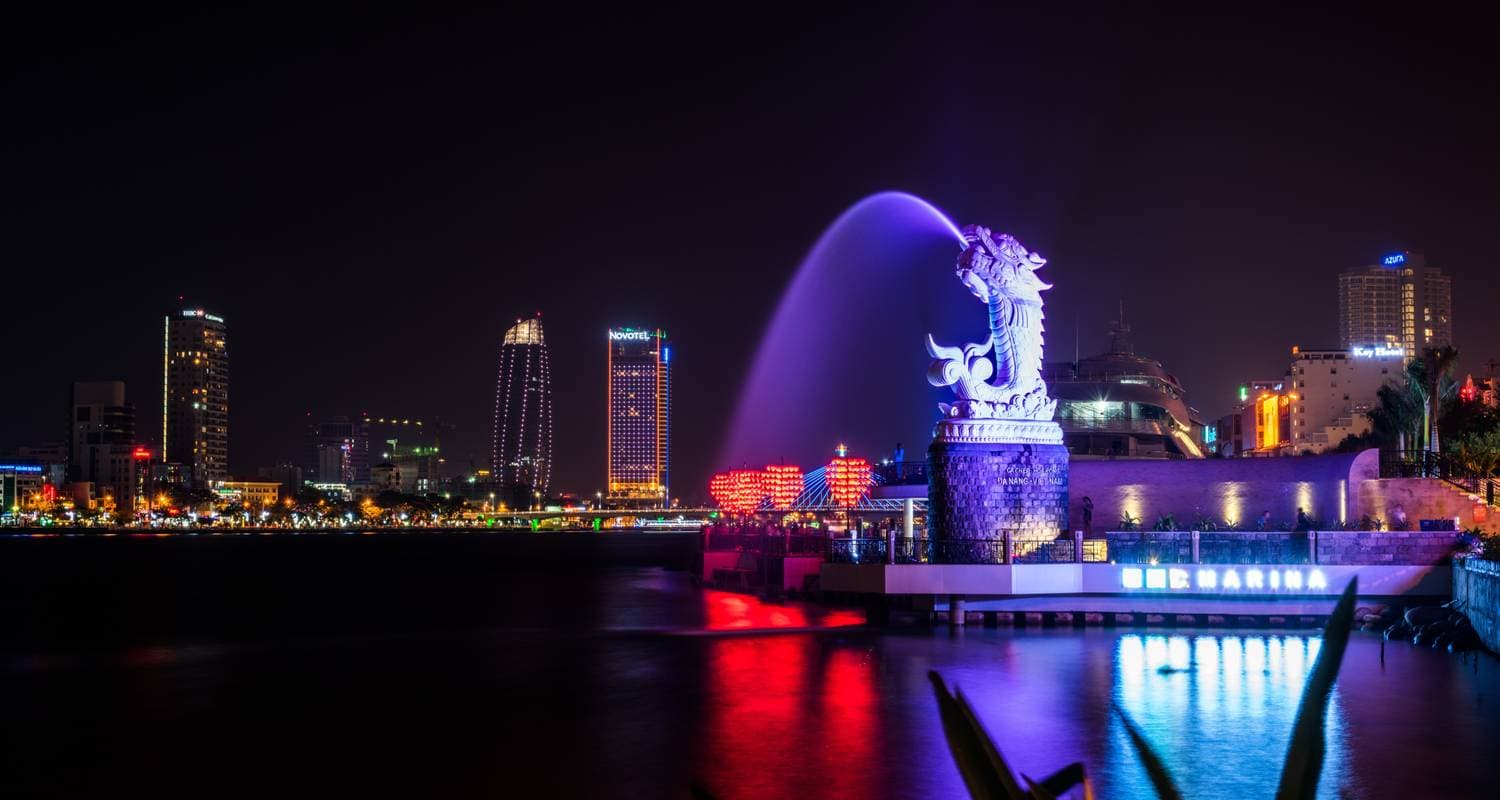
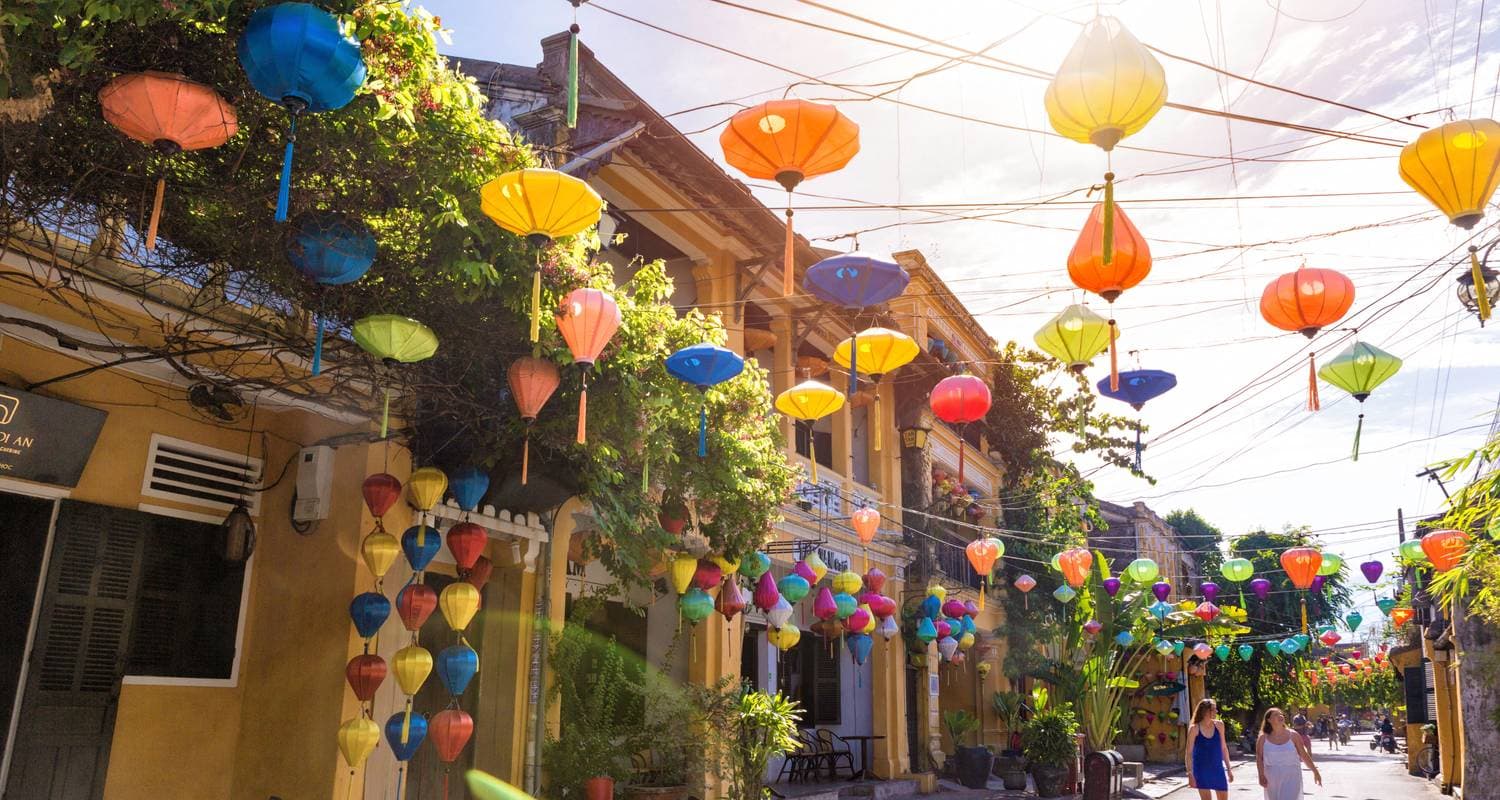
Finish in Vietnam, which is a country-long journey in itself: enter in the south at Ho Chi Minh City and work north through Hoi An and Da Nang to Hanoi (or reverse it). It's the longest single-country leg — our two-week Vietnam route shows how to pace it, and you'll compress it to a week on this loop.
The two crossings are what make or break the loop. Bangkok to Siem Reap is either a cheap direct flight (about an hour) or the classic overland run via the Poipet land border — cheaper, slower, and the one to research for scams before you go. Cambodia to Vietnam is usually Phnom Penh to Ho Chi Minh City: a short flight, or a full-day bus over the Bavet–Moc Bai land border. Inside Vietnam, the coast is linked by sleeper trains, sleeper buses and a couple of cheap domestic flights to skip the long middle.
Sequence it chronologically and you never double back — each border crossing moves you one country further along. Reverse the whole loop (Hanoi → Cambodia → Bangkok) if your cheap flights land in Vietnam instead; the route works equally well either way.
For a Northern-Hemisphere winter escape, November to February is the sweet spot: it's the dry season across most of the loop, with cooler, clearer days and the lowest chance of a washed-out border crossing. It's also peak season, so book the headline stops — Angkor, the islands, Hanoi — ahead. March and April turn hot; May to October is the wet season, cheaper and quieter but you'll be planning around the rain.
Booked with the operator via TourRadar — we may earn a commission. It never changes your price.
Book an open-jaw flight — into Bangkok, out of Hanoi (or vice versa). It usually costs about the same as a return to a single city and saves you a wasted day flying back to where you started.
This page is the map; the guides below are the detail — use them to plan each piece, and to decide whether to do it independently or with a group. We don't repeat the numbers here on purpose.
• Cost breakdown: how much a month in Southeast Asia actually costs, plus live Thailand trip costs.
• Country routes: the Thailand first-timer route and the two-week Vietnam route.
• Festival highlights: time your loop around Southeast Asia's best festivals and full-moon events.
• Operator battles: if you'd rather someone else handle the border legs, compare the operators who run this route — start with Contiki vs Intrepid.
Three weeks is the sweet spot for Thailand, Cambodia and Vietnam — roughly a week each. Two weeks means dropping a country or rushing it; four weeks or more lets you slot Laos in between Thailand and Cambodia.
Either works. Start wherever your cheapest long-haul flight lands — usually Bangkok, sometimes Hanoi or Ho Chi Minh City — and move chronologically so you never backtrack over a border.
Yes — several 18–35 operators run multi-country Southeast Asia trips that stitch the same route together and handle the border crossings and transport. Compare them against going solo; the Contiki vs Intrepid breakdown is a good place to start.
It's the best time. November to February is the dry season across most of the route — cooler and clearer — though busier and pricier at the headline stops.

Russell is our most prolific voice and covers the tours and destinations side — who the good small-group operators are, where they actually go, and whether a deal is really a deal. He cares about the all-in cost more than the sticker price, and he'll say when a trip isn't worth it.