“Worth it if you're flexible, want genuine cultural immersion, and value small groups with strong guides. Think twice if you need predictable comfort, minimal physical exertion, or bumpy roads aggravate you.”
- About £97/day across 19 days
- ~£2,086 all-in with a typical £250 flight from London (£110/day)
- Dropped £204 recently in our own price tracking
- We only rate a price against this trip's own history once we've tracked it for 21 days — no guessing before that.
- About average per day vs 4 similar trips (~£125/day)
- 4.5★ from 13 traveller reviews
Price movement, fill and the all-in cost come from our own daily tracking— not the operator’s feed. You book on TourRadar; the live price always applies there.
About this trip
This 19-day trip runs from Delhi across northern India to Kathmandu, taking in the Taj Mahal, the ghats of Varanasi and the mountains around Nepal's capital. It's a fully guided group trip built around getting a broad view of both countries rather than settling into one place.
Expect a lot of ground covered by public transport, including overnight sleeper trains, alongside guided walks through busy city streets and visits to temples and riverside ghats. The pace is steady rather than relaxed, with travel time itself forming part of the experience.
It suits people who want a genuine cross-section of India and Nepal's history, religion and daily life, and who don't mind long travel days as the price of covering that much ground.
What you'll do
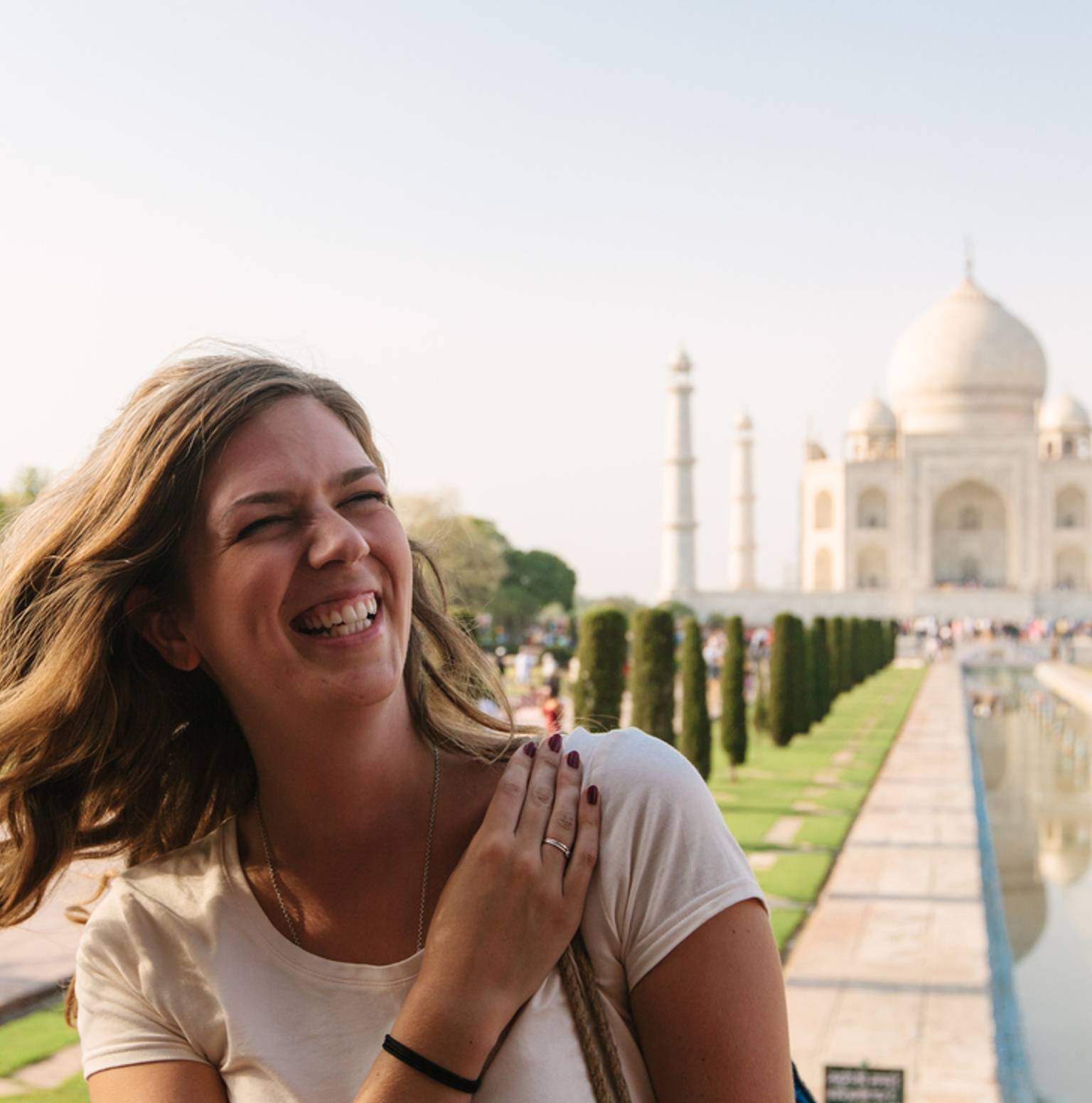
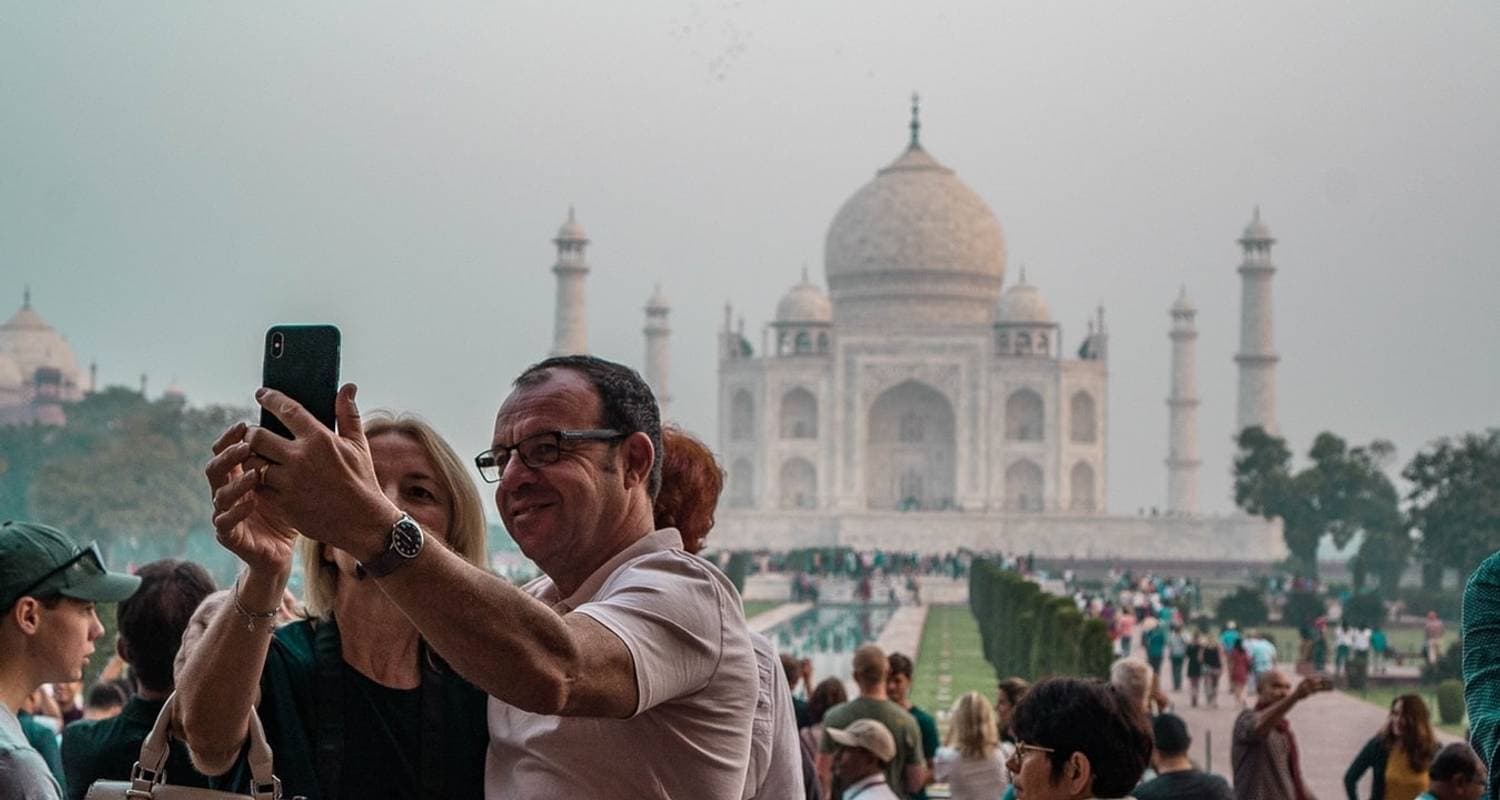
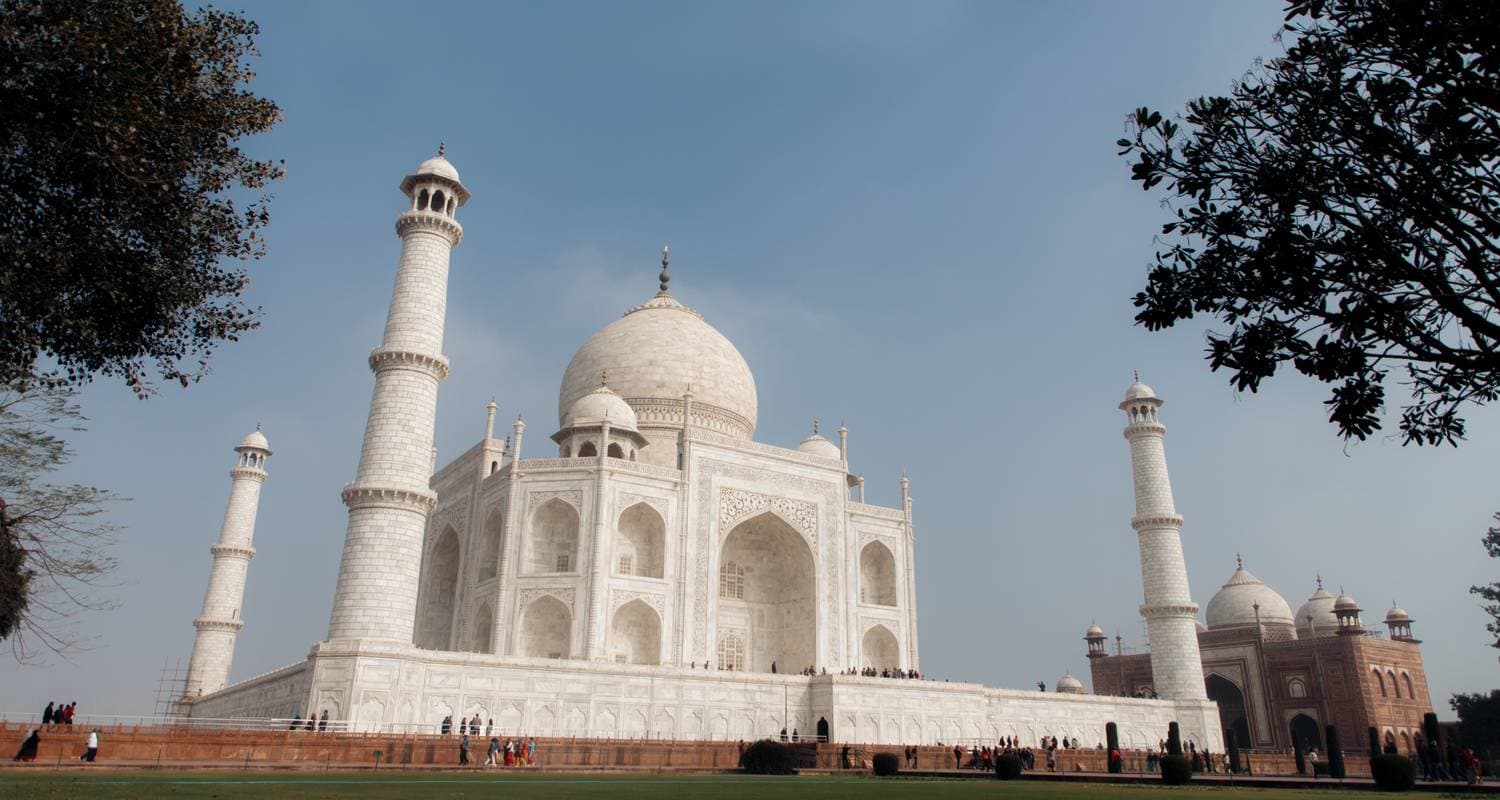
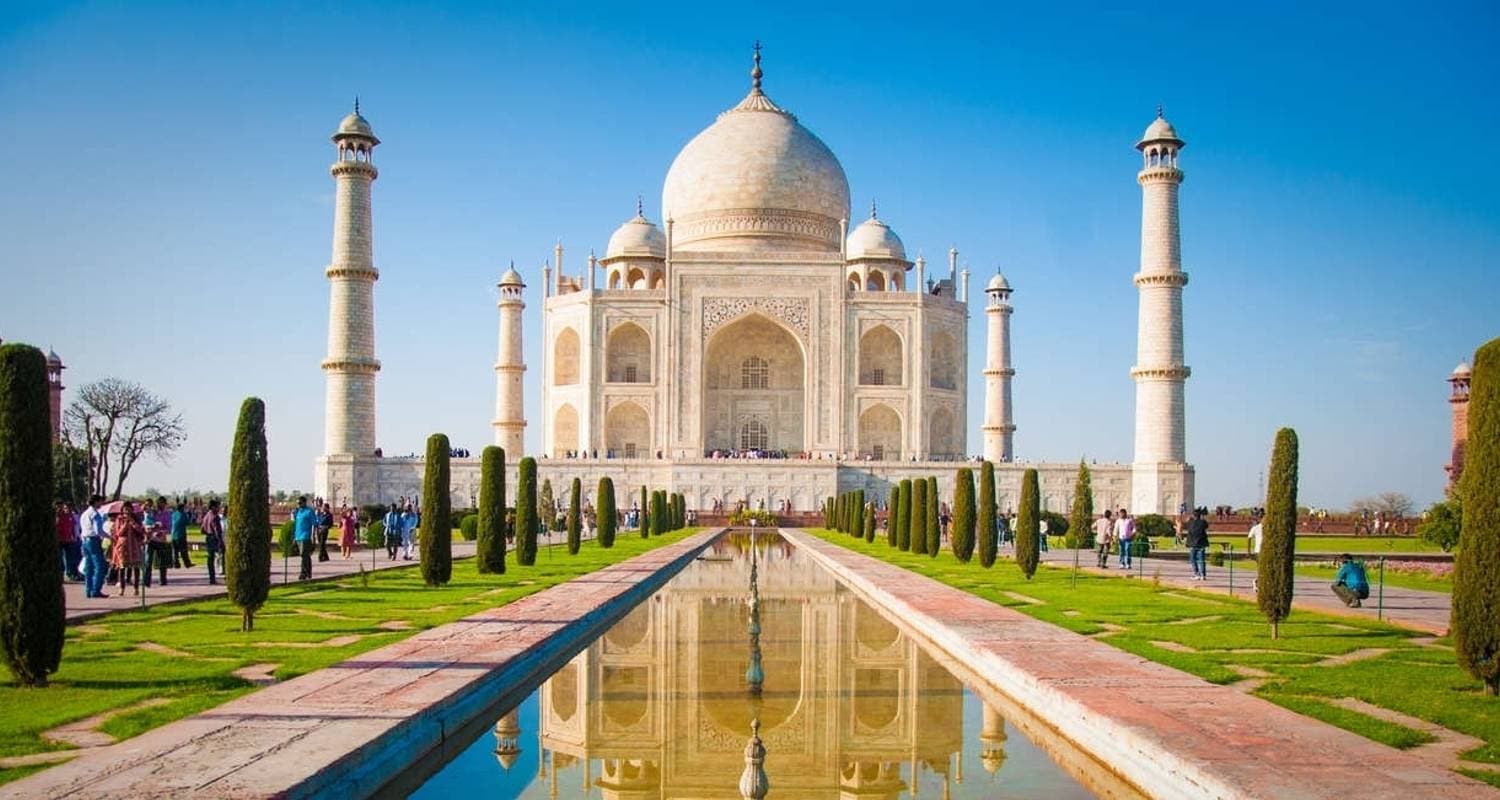
- Visit the Taj Mahal in Agra
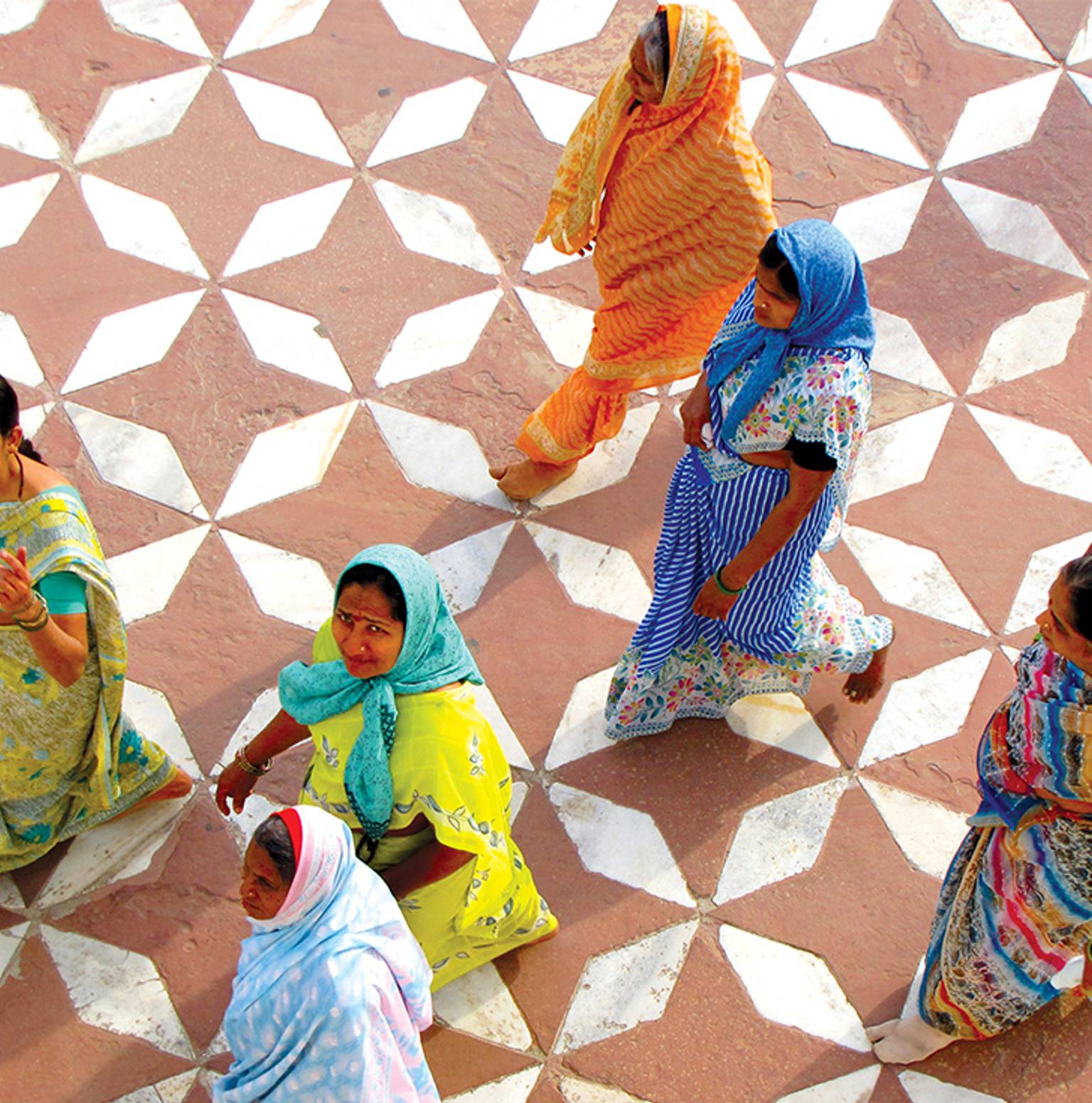
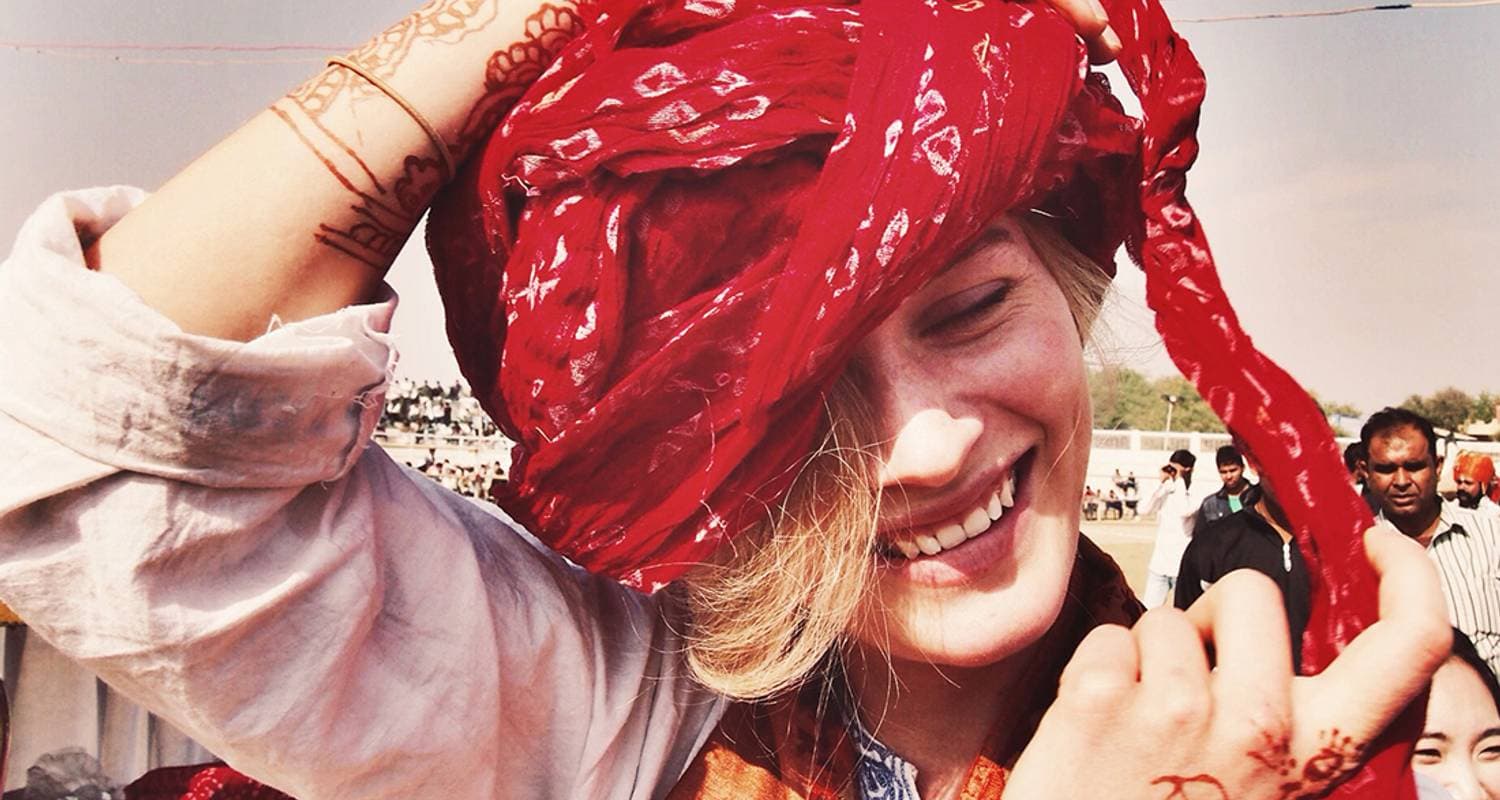
- Walk through the crowded lanes of Old Delhi
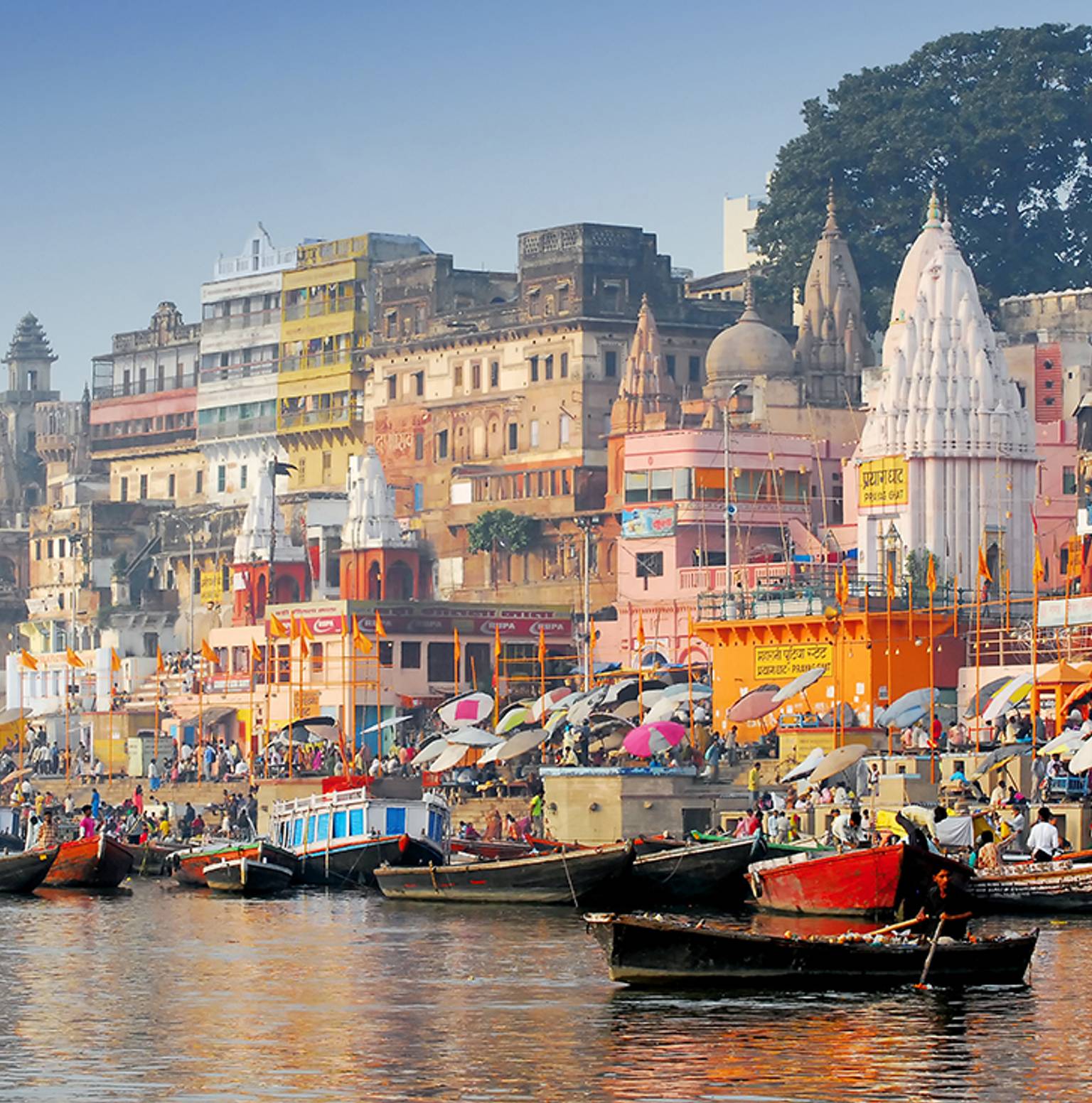
- Watch the evening pilgrimage rituals at the ghats of Varanasi on the Ganges
- Travel by sleeper train alongside local passengers
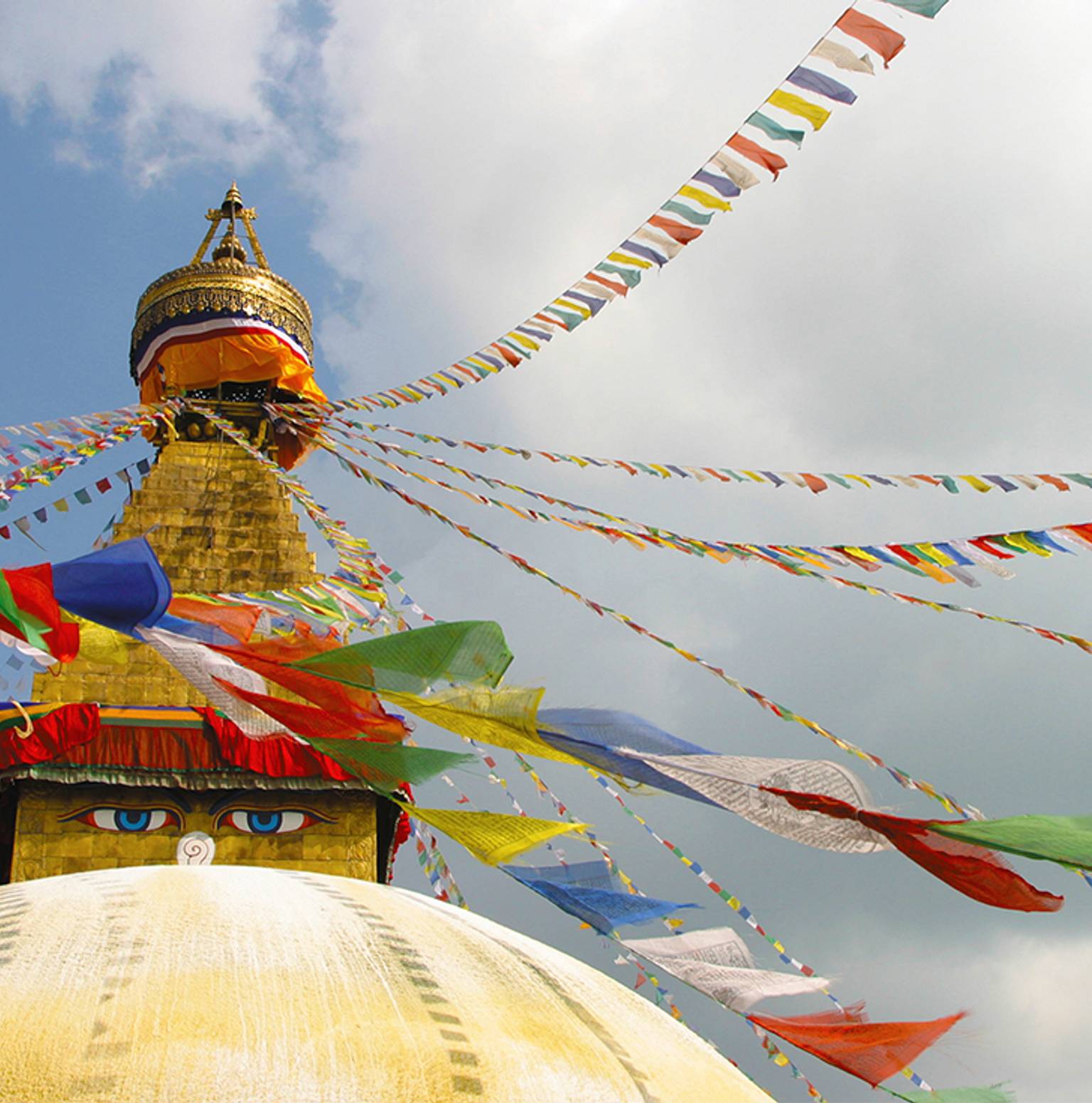
- See the Himalayan peaks surrounding Kathmandu
- Long days of public transport, including overnight sleeper trains shared with locals in mixed-gender compartments
- Little free or independent time, as travel estimates often shift
- Temple visits require arms and knees covered, and Old Delhi's walking tour involves navigating dense crowds
Day by day
Exactly what you do each day, where you sleep, and how it flows — written by us, from the real itinerary.

What's included
- Guide: All group trips are accompanied by one of our group leader or local representative. The aim of the group leader or local representative is to take the hassle out of your travels and to help you have the best trip possible. Intrepid endeavours to provide the services of an experienced group leader or local representative however, due to the seasonality of travel, rare situations may arise where your group leader or local representative is new to a particular region or training other group leader or local representative. Your group leader or local representative will provide information on the places you are travelling through, offer suggestions for things to do and see, recommend great local eating venues and introduce you to our local friends. While not being guides in the traditional sense, you can expect them to have a broad general knowledge of the places visited on the trip, including historical, cultural, religious, and social aspects. At Intrepid we aim to support local guides who have specialised knowledge of the regions we visit. If you are interested in delving deeper into the local culture at a specific site or location then your group leader or local representative can recommend a local guide service in most of the main destinations of your trip.
- Meals: 5 breakfasts, 4 lunches, 4 dinners
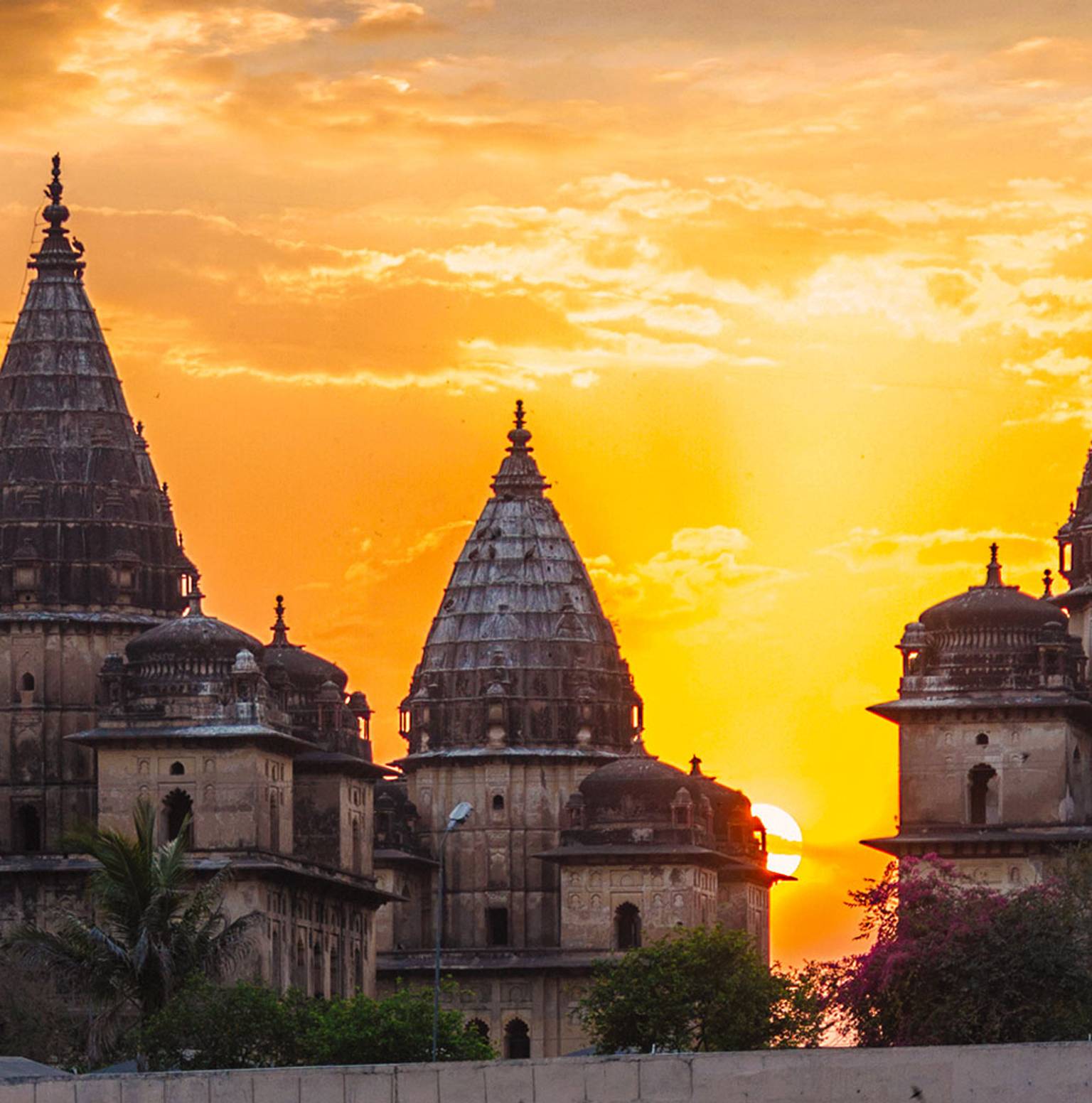
- Activities: Delhi - Visit to the Jama Masjid Mosque Delhi - Sheeshganj Gurudwara (Sikh Temple) Delhi - Leader-led Old Delhi walking tour Jaipur - Leader-led walking & market tour Jaipur - Amber Fort Lotwara - Village Walk Agra - Taj Mahal Agra - Agra Fort Chanderi - Old city walking tour Orchha - Cooking demonstration Orchha - Orchha Palace Orchha- Royal Cenotaphs River Ganges - Boat trip & camping Varanasi - Sunset candle flower ceremony Varanasi - Leader-led Old City walking tour Varanasi - Sunrise Ganges boat trip Varanasi - Holy City Rickshaw Ride & Food Trail Lumbini - Heritage Park Lumbini - Maya Devi Temple Amaltari - Sundowner by Jeep Chitwan - Village Bike Tour Chitwan National Park - Park Entry Chitwan - Canoe trip Chitwan - Canoe safari, Bird Watching walk or Jeep safari Chitwan NP - Tharu cultural performance Kathmandu - Swayambhunath Temple Kathmandu - Bodhnath Stupa Kathmandu - Pashupatinath Temple
- Transport: Whether a flight forms part of your itinerary is, offered as an alternative means to a long road journey, included as a scenic experience, or becomes necessary in an emergency, it’s important to be aware of the unique aviation context in Nepal. Nepalese air carriers are currently not permitted to operate within UK or European airspace, often referred to as being on the 'banned list' due to regulatory differences. However, we want to reassure you that your safety is our top priority. Intrepid is one of only a small number of tour operators that independently audits Nepalese air carriers each year, carrying out rigorous third‑party air safety assessments. We only work with airlines and helicopter operators that meet our strict internal safety standards and approval criteria. We strongly encourage you to review your government’s travel advice and to consider this information carefully when making your travel decisions, confident that we are taking every possible step to ensure your wellbeing., TRANSPORT IN INDIA: Main roads in India are usually very busy with an assortment of vehicles from the biggest trucks (who always have right of way) down to bikes (and animals!). Overtaking on blind corners at speed is common, as is using the horn as a form of communication. Our leaders have complete authority to remove groups from local transport if the driver is not driving safely. Drivers of our private vehicles are experienced and well trained. if you are uncomfortable with your driver, please always let your leader know immediately. Please ensure you always wear your seat belt. TRAVEL TIMES: Distances in India do not reflect the driving time. Driving 100 km/62 m may take much longer than at home, even if much of the route is on a highway. TRAINS: India has a massive network of trains and millions of people travel by rail every day. Trains often travel the length of the country over several days. Trains are a great way to see the countryside and get away from busy roads. From December to February, delays can happen, especially in northern India, due to fog. On occasion, your trip will be rerouted to allow for these delays. Your leader, in conjunction with our local office, will advise of any changes to your itinerary. Seats are allocated by Indian Railways’ reservation system, which we have no influence over. Regardless of when tickets are booked, your group may not travel together, with seats spread throughout a carriage, or multiple carriages, of the same class. You may share a compartment with local travellers of mixed genders. If your trip includes travelling on sleeper trains in India, please see the Accommodation section for more information about this experience. AUTO RICKSHAWS: On this trip, you may travel on an auto-rickshaw. These small, motorised three-wheeled vehicles are a common form of transport in India and do not have seatbelts. FLIGHTS: Airlines in India are of excellent quality. Airports are becoming more modern (especially in major cities and tourist hubs). To enter the airport, you must have a copy of your flight ticket and passport. Schedule changes and delays do occur, especially when weather conditions make visibility poor., ROAD TRAVEL IN NEPAL: Roadworks and infrastructure projects can cause significant delays on major roads within cities and highways between destinations. Road travel can also be disrupted due to demonstrations and bandhs (strikes) without warning. Major roadworks are currently ongoing in Nepal. Delays, heavy traffic, poor road conditions and dust are a reality of road travel in Nepal. TRAVEL BETWEEN KATHMANDU : & POKHARA: If your itinerary includes road travel between these destinations, past travellers have often decided to fly this route independently to avoid the long overland journey (200km, approx 6+ hours). The flight takes around 35mins. Should you decide to fly, this will be at your own expense with no refunds for road travel available. MONSOON: The monsoon season is from June to September and weather conditions can disrupt travel during this time due to flooding and landslides. Disruption of air travel and airport closures are also possible. Be prepared that the itinerary may need to change at short notice. Auto rickshaw, Canoe, Cycle rickshaw, Jeep, Metro, Overnight sleeper train, Private vehicle, Shuttle Bus, Train, Van
- Accommodation: ACCOMMODATION: Some of the accommodation along the way is basic or simple, staying in local guesthouses and homestays. Some may have shared bathroom facilities with cold water only. We use a mixture of air-conditioned and non-air-conditioned rooms. Some areas of India experience daily load shedding. This is where the power may be turned off at certain times of the day and usually occurs for a few hours in the early afternoon. Most hotel properties have a restaurant or cafe serving local meals. Many restaurants and hotels do not serve alcohol for religious reasons or due to local laws. SHOWERS: Showers at some hotels only have hot water at peak times (usually morning and evening). Outside of these times, you may need to speak to reception to obtain hot water. ROOM ISSUES: If you have any issues with your room, please speak to the hotel and your tour leader right away rather than your travel agent so that the problem can be addressed without delay., SLEEPER TRAINS IN INDIA: Sleeper trains are clean and air-conditioned. They’re a great way to travel long distances and maximise your time in each place. Depending on the route, you’ll travel in 2AC or 3AC class. Not all classes are available on all routes. 2AC carriages (second class or 2 tier AC carriages) have four sleeping berths in the compartment section and two berths in the aisle bay. 3AC carriages (third class or 3 tier AC carriages) have six sleeping berths in the compartment section and two berths in the aisle bay. During the day, sleeping berths are folded away and serve as seats. Each sleeping berth has a padded mattress with sheets, pillow and a blanket provided. Some travellers like to bring their own sleeping sheet. Your luggage travels with you in the compartment, so packing light will make your journey more comfortable. Each carriage has a limited number of sinks and charging points. There are toilets at both ends of the carriage, one a western-style toilet and the other a squat toilet. You will need to bring your own toilet paper, and you may like to bring sanitiser wipes. Some trains have a dining carriage, but there’s no shortage of vendors who board at each station, selling tea, coffee, snacks and local favourites. You can also grab something at the station before boarding your train, or at a station en route. Sleeping berths are allocated by Indian Railways’ reservation system, which we have no influence over. Regardless of when tickets are booked, your group may not travel together, with sleeping berths spread throughout a carriage, or multiple carriages, of the same class. You may share a compartment with local travellers of mixed genders. Your leader will do their best to swap with other travellers to enable people who booked together to travel together, but this isn’t always possible. Your leader may ask male travellers to swap with female travellers due to safety considerations. Due to the complexity of the ticket purchasing system and high demand for tickets, we are unable to offer upgrades to other classes. Find out more about travelling on sleeper trains in India here: https://www.intrepidtravel.com/adventures/india-trains-guide/ Camping (with basic facilities) (1 night), Heritage Property (3 night), Hotel (10 nights), Lodge (2 nights), Overnight sleeper train (1 night), Homestay (1 night)
- Activities: Other activities and services not included
- Flights: International flights not included.
- Optional: Other activities and services not included
- Insurance: Insurance is not included. Travel insurance is required for this tour. Please make sure you are adequately covered. If you require travel insurance, TourRadar has partnered up with Cover Genius to provide a hassle-free experience. More information can be found here (https://www.tourradar.com/travel-insurance).
How travellers rate it
Cheapest live departure per day, in £, recorded by our tracker since 18 Jul. Never a brochure “was” price.
Your free day in India
Landing early, staying on, or filling free time? The best-rated day experiences in India — you book on Viator (we may earn a commission).

Worth it if you're flexible, want genuine cultural immersion, and value small groups with strong guides. Think twice if you need predictable comfort, minimal physical exertion, or bumpy roads aggravate you.
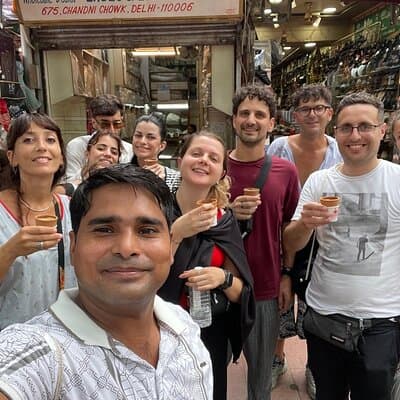
- Small groups genuinely foster friendships; guides like Juhi and Nicky go well beyond expectations with local knowledge.
- Chitwan rhinos at close range and Taj Mahal at golden hour deliver remarkable moments if you set realistic expectations.
- Itinerary changed post-booking: Chitwan swapped for Madi Valley sponsorship, removing two days of advertised content unpredictably.
- Early hotels basic, bumpy Nepal roads harsh on backs, night trains and river camping require genuine roughing-it tolerance.
Distilled from real traveller reviews on TourRadar — we don't edit out the bad bits.
The same-vibe trips, side by side — price, value per day, and how each is moving. Only we can lay two operators' trips out honestly.

Sorted by fit — never by who paid. Price moves and availability come from our own daily tracking.
Departing in Sep is cheapest — from £1,835, about 20% below the priciest month (Aug).
Getting there
One-way so you can book your return whenever. Prices & booking shown on Trip.com.
Hotels in Delhi
View more accommodationLive prices via Booking.com & partners, booked on their site — separate from your tour. We may earn a commission; it never changes your price.
On a budget?
Hostels in Delhi for the night before your tour · 13 Sept – 14 Sept
Booked on Hostelworld, separate from your tour. We may earn a commission — it never changes your price.
Common questions
How long is Highlights of India & Nepal?
It's a 19-day trip. It starts in Delhi and finishes in Kathmandu.
How much does Highlights of India & Nepal cost?
The land price starts from £1,836 per person for the 19-day trip. You book on TourRadar, where the live price always applies.
What will Highlights of India & Nepal really cost me all-in?
On top of the £1,836 land price, budget roughly £250 for a return flight from the UK — about £2,086 all-in before spending money. Most day-to-day meals out and optional activities are extra.
What's included in the price?
The price covers all your accommodation, 13 meals (5 breakfasts, 4 lunches, 4 dinners), transport during the trip, a group leader/guide. Anything the operator lists as optional or not included — see the full breakdown on this page.
What's not included?
international flights and travel insurance (required) are not included, so factor them into your budget. We show typical flight costs and can point you to insurance on this page.
How big is the group?
Groups are capped at around 12 travellers — a small-group trip, mostly solo 18–35s travelling to meet people, not a coach tour.
When does Highlights of India & Nepal run?
It runs across roughly 24 months of the year, so there's usually a departure to fit your dates. Check live availability and prices in the dates section above.
Sort the essentials
Partner offersWe may earn a commission from partner offers. It never changes your price or our ranking.
More trips like this
Ranked on real fit — in case this one isn't quite yours.
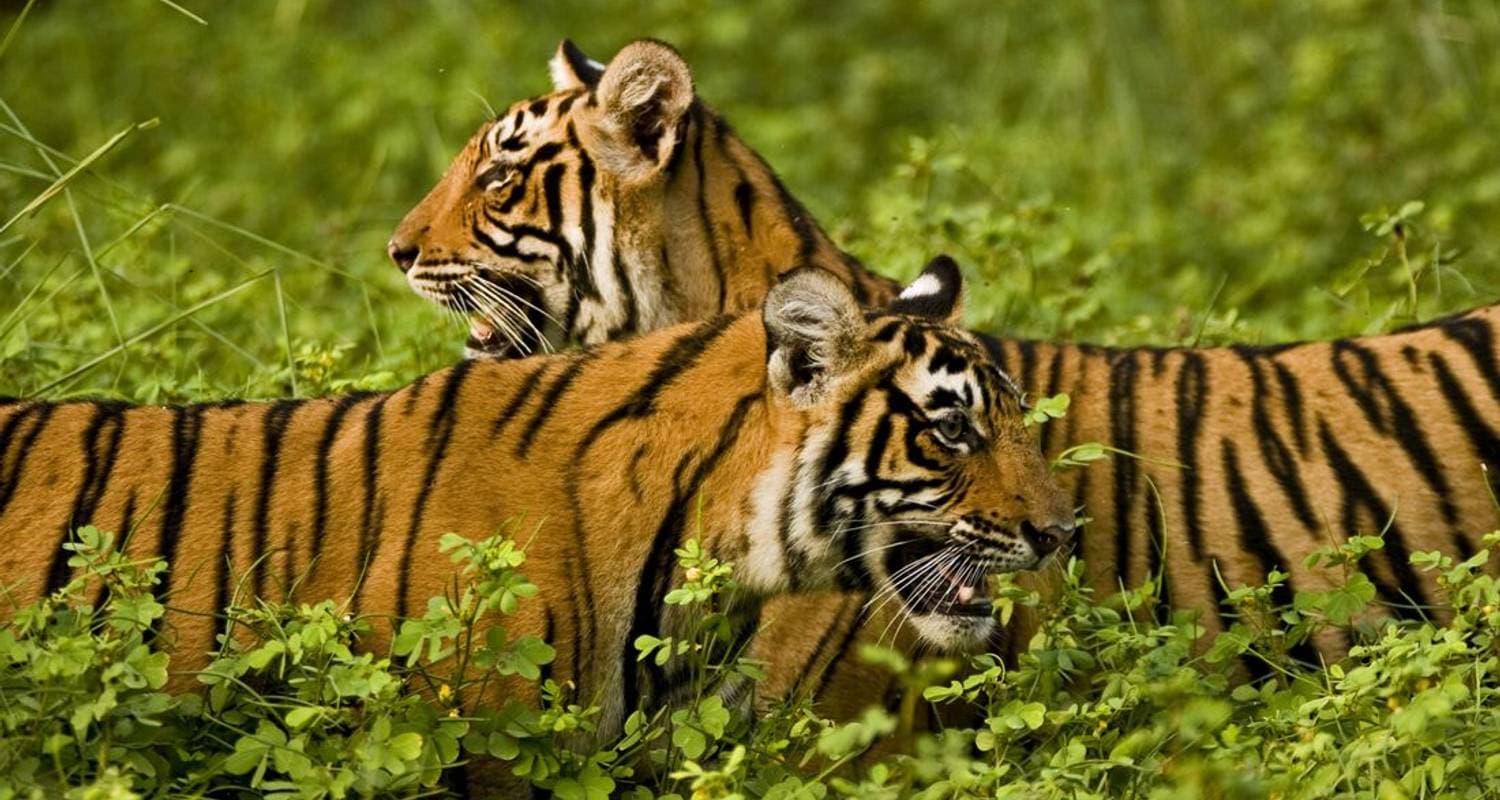
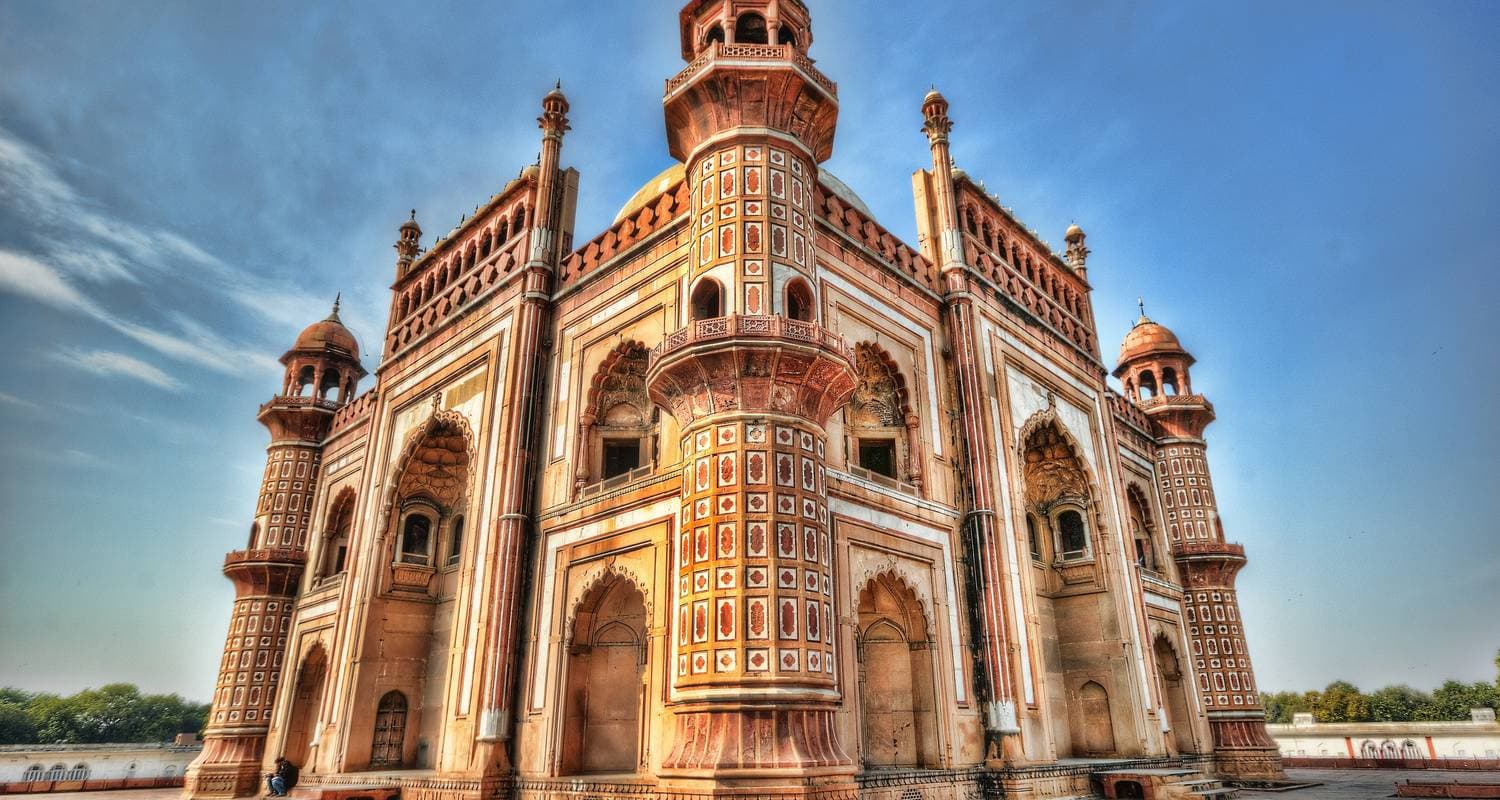
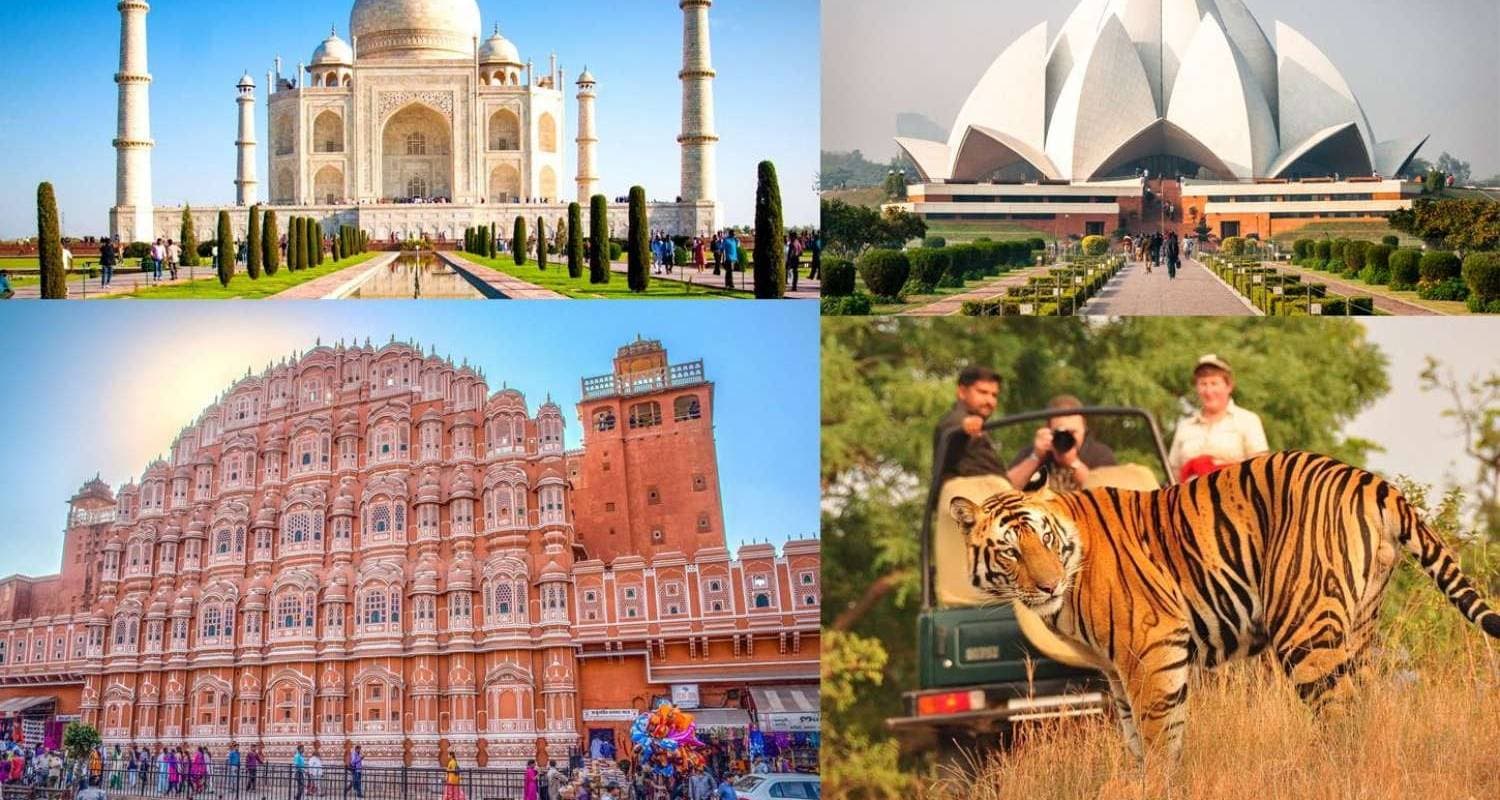
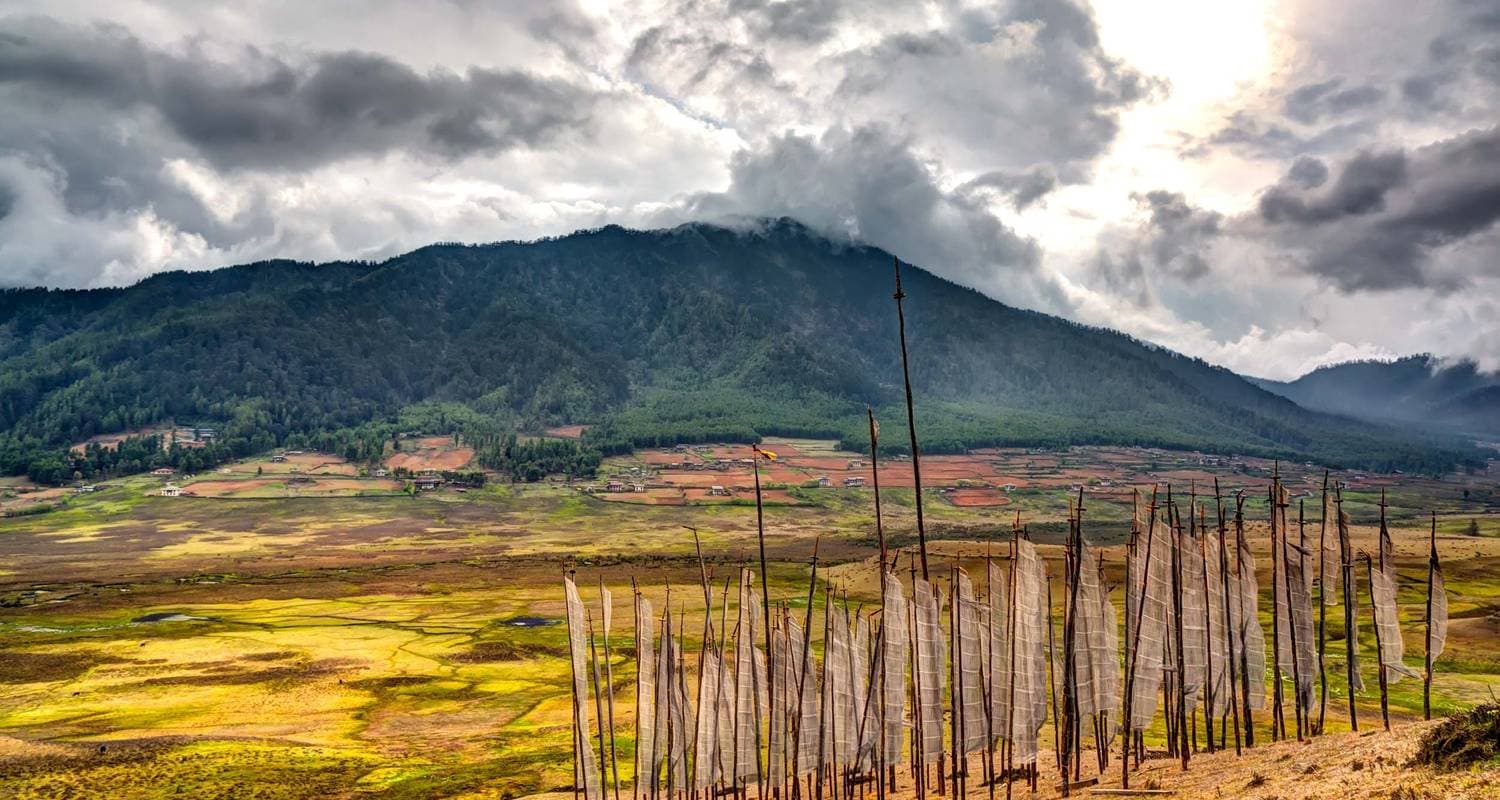
Booked with the operator via TourRadar · we may earn a commission.
Want longer in India?
Working holidays, volunteering & more — £50 off with code 18TO35TRAVEL.
Powered by Global Work & Travel · we may earn a commission on bookings.