“Worth it if you trust the guides on Kili's pace and want bucket-list wildlife and peaks. Think twice if you need active engagement during transport days or detailed health monitoring.”
- About £257/day across 15 days
- ~£4,216 all-in with a typical £359 flight from London (£281/day)
- We only rate a price against this trip's own history once we've tracked it for 21 days — no guessing before that.
- About average per day vs 4 similar trips (~£321/day)
- 4.7★ from 3 traveller reviews
Price movement, fill and the all-in cost come from our own daily tracking— not the operator’s feed. You book on TourRadar; the live price always applies there.
About this trip
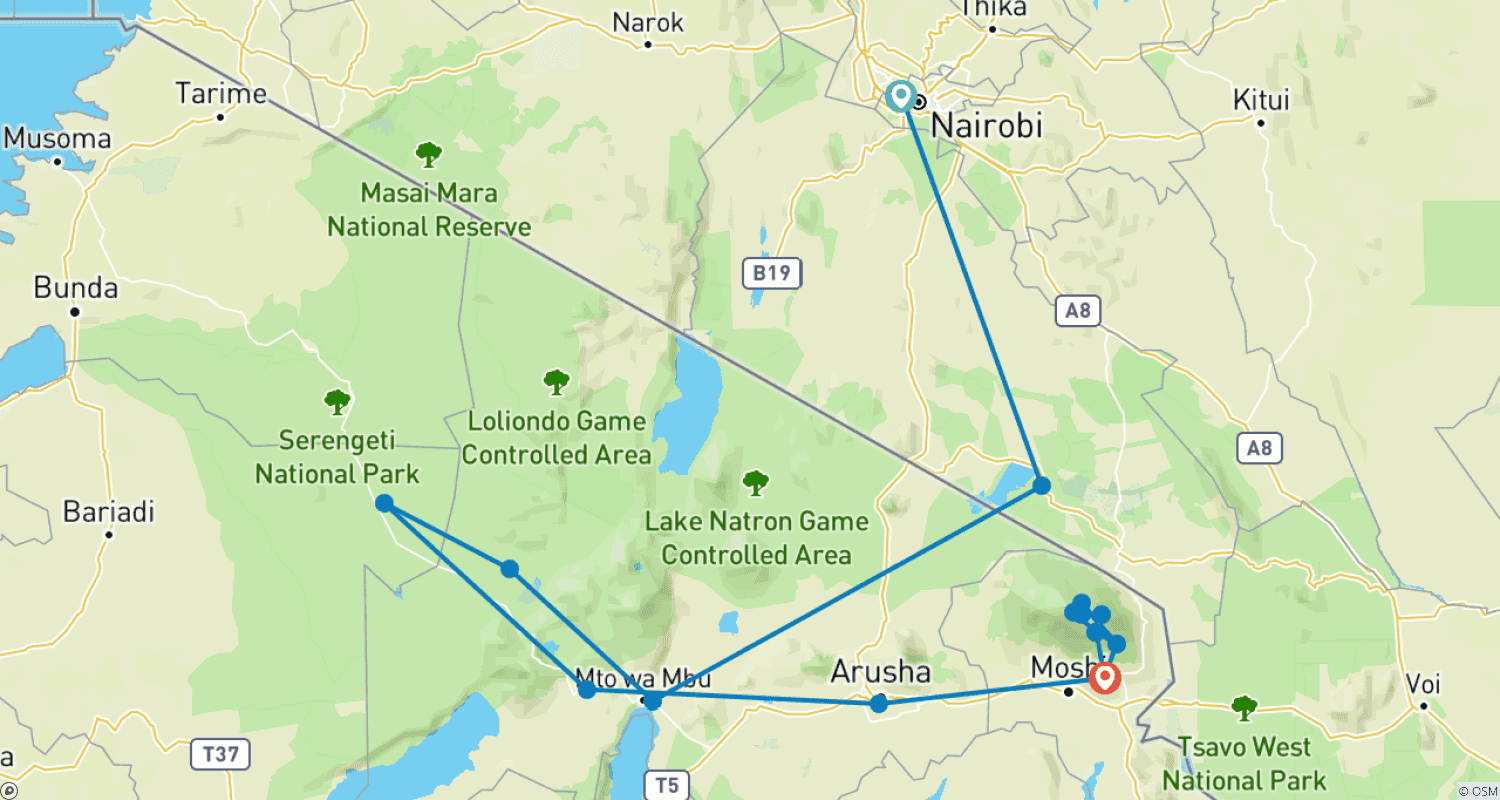
Fifteen days that take you from the plains of the Serengeti to the summit of Kilimanjaro, covering some of the most recognisable wildlife and landscapes in East Africa.
You'll spend days on safari across the Serengeti and Ngorongoro Crater tracking the Big Five, then shift gears completely for a multi-day trek up Africa's highest mountain. It's a trip built for people who want to be active and outdoors, not just looking through a vehicle window.
This runs as an overland trip, travelling by purpose-built vehicle with the group, camping in the bush some nights and setting up your own tent. Expect early starts, long drives, and a itinerary that bends around weather and road conditions.
What you'll do
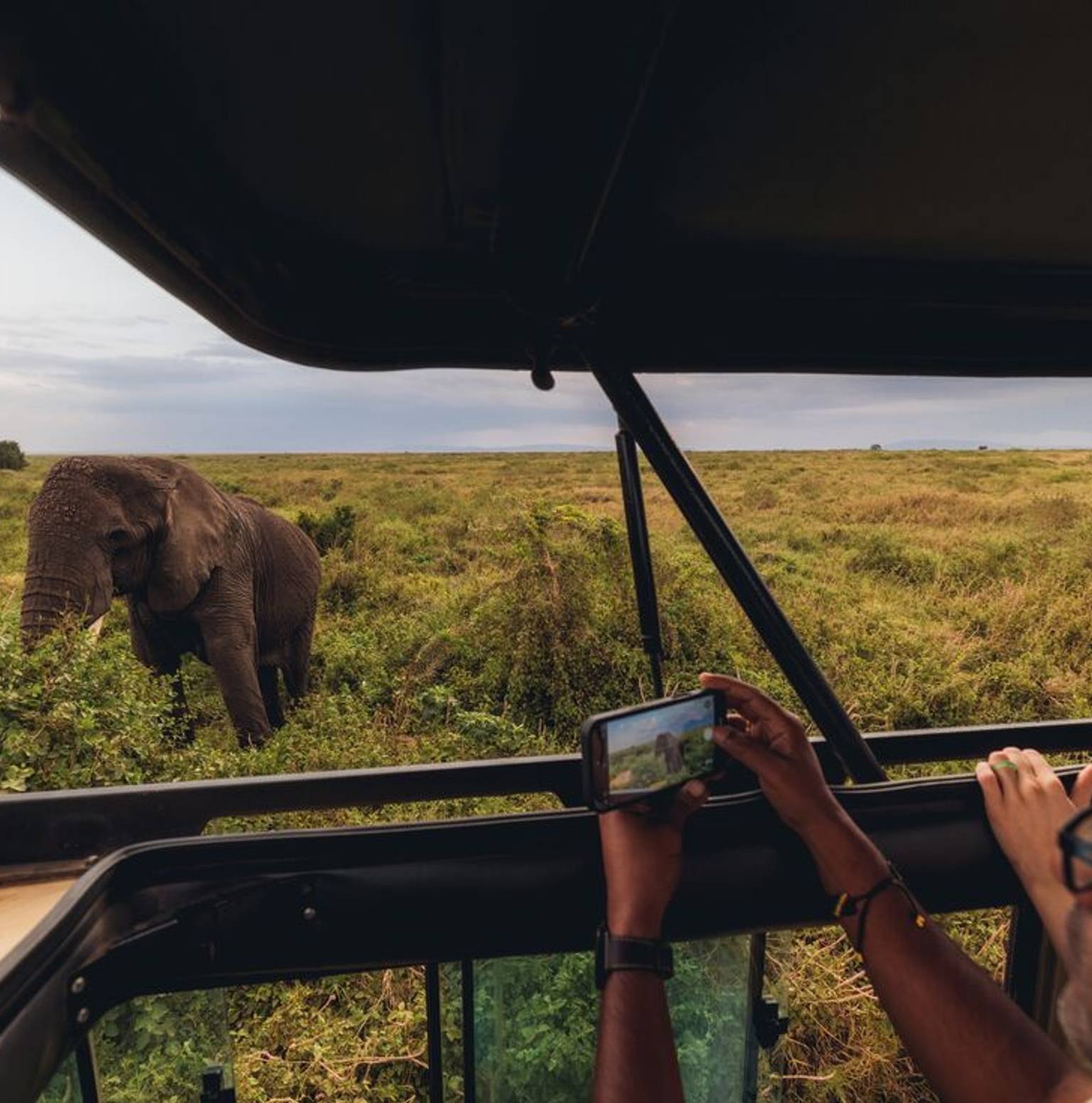
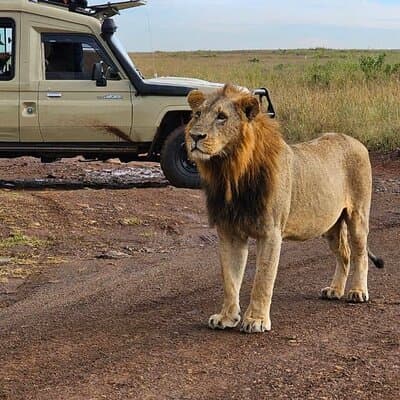
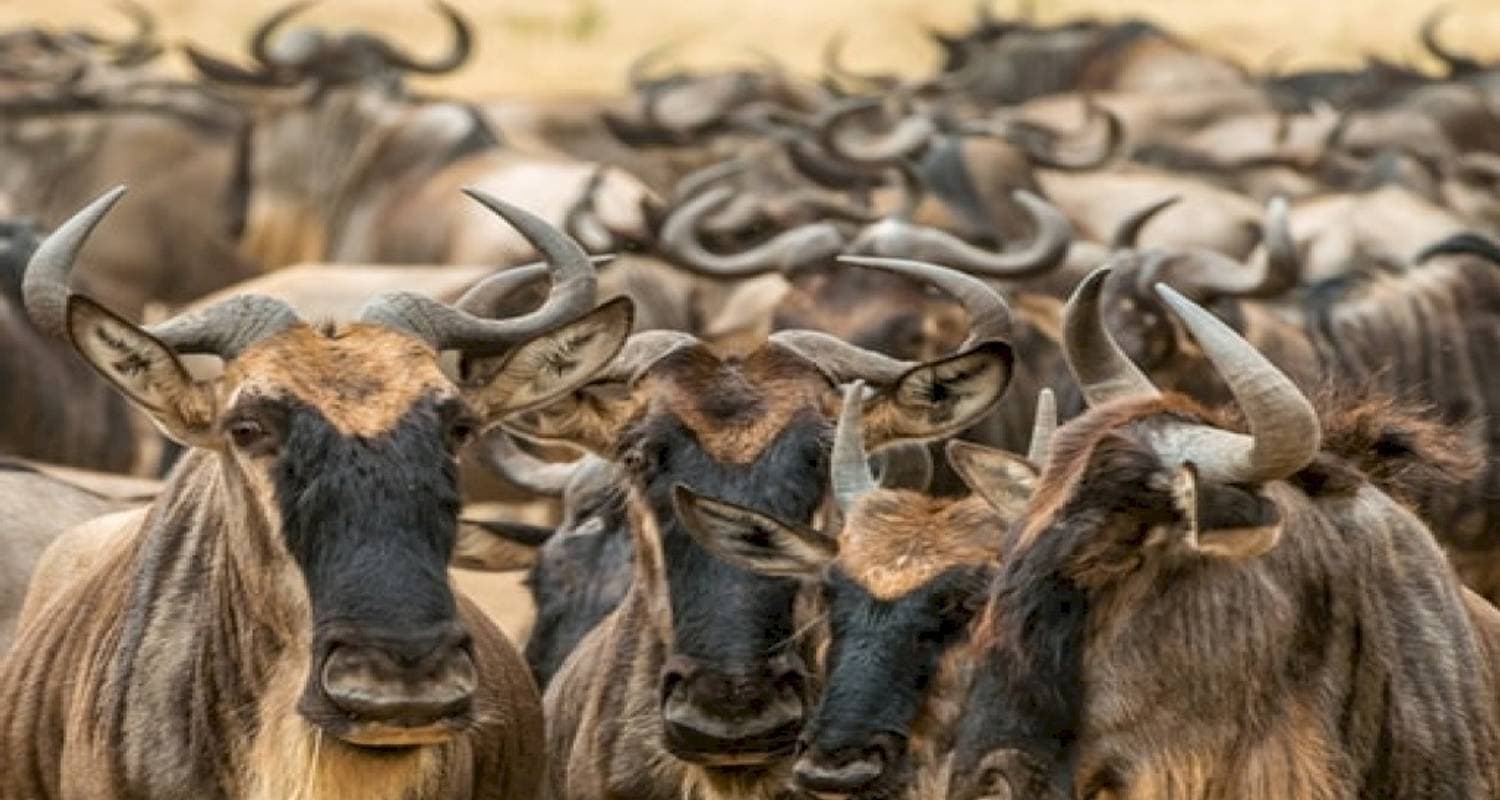
- Safari the Serengeti savanna in search of the Big Five
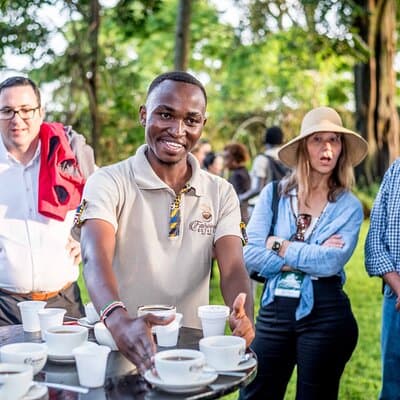
- Descend into Ngorongoro Crater for game viewing
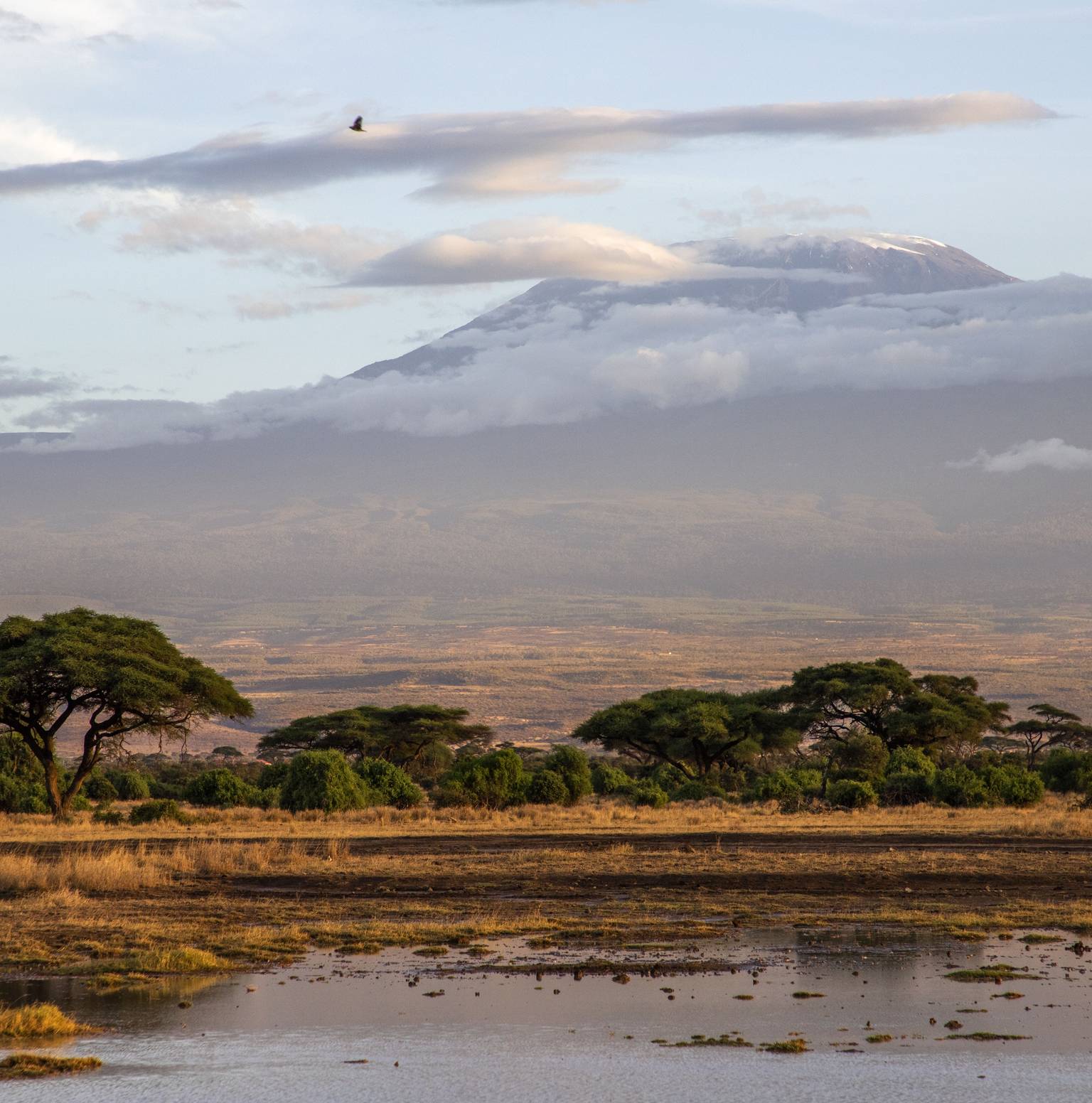
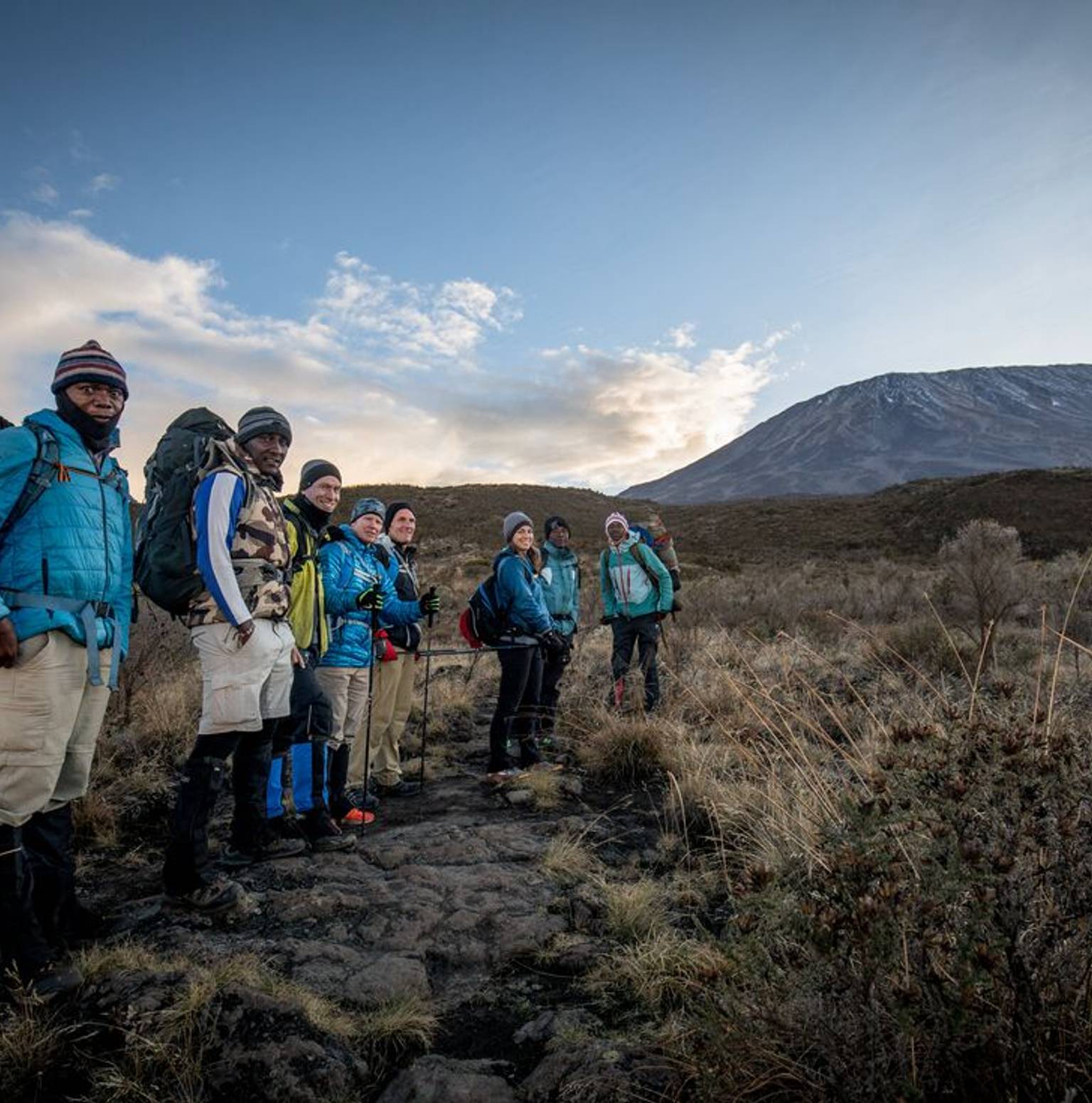
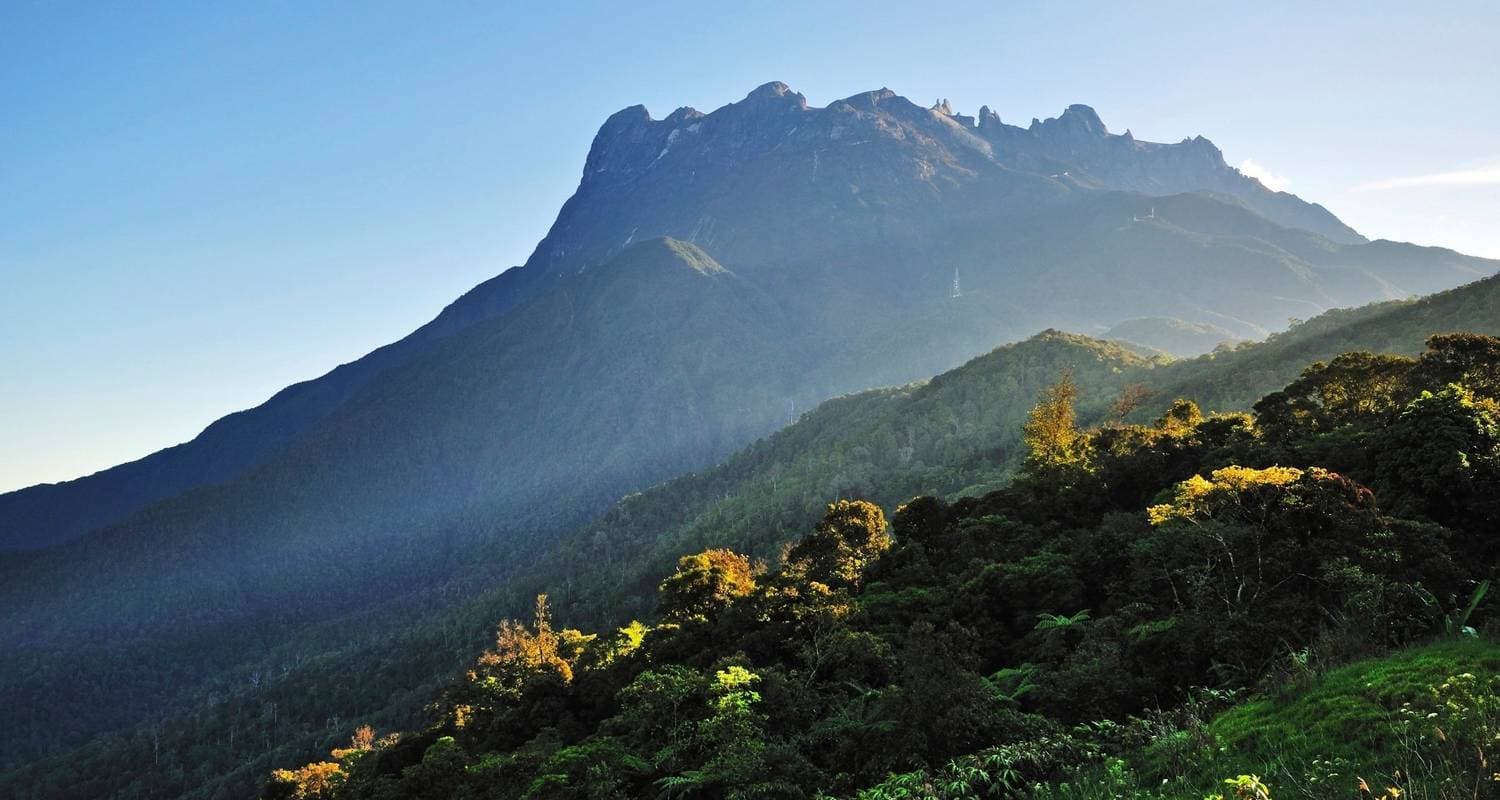
- Trek to the summit of Mt Kilimanjaro
- Camp in the Serengeti with no barriers between you and the wildlife
- Travel overland by purpose-built vehicle between Kenya and Tanzania
- Camping-based overland trip with some nights roughing it with no facilities
- Includes several days of trekking at altitude — check the medical and health guidance beforehand
- You'll need proper hiking gear and warm layers for Kilimanjaro; night temperatures above 3500m get very low, and equipment can be hired
Day by day
Exactly what you do each day, where you sleep, and how it flows — written by us, from the real itinerary.
What's included
- Guide: On this trip you will be accompanied by three crew members - Group Leader, Cook and Driver who will usually be Kenyan. Your Group Leader’s role involves organizing the overall operation and smooth-running of the trip, managing trip logistics, coordinating the tipping kitty (where applicable) and will form work groups to take turns cooking, cleaning and shopping. (From time to time your leader may drive as well) Your Group Leader will work towards making the trip as safe and enjoyable as possible for all travellers. Intrepid trips are built around the co–operation and participation of all the group members under the supervision of the group leader. The group leader will show the group how to set up and use the equipment. While not being guides in the traditional sense you can expect them to have a broad general knowledge of the countries visited on the trip, including historical, cultural, religious and social aspects. We also use local guides where we think more specific knowledge will add to the enjoyment of the places we are visiting, especially when tracking and identifying game - we think it's the best of both worlds. Regardless of the country of origin, our Group Leaders are chosen for their leadership skills and are wonderful ambassadors for our company and our beautiful continent and its people. Your Cook is responsible for the cooking and will help to coordinate the work groups for preparing the meals and washing up! Cooks are also responsible for organizing food shopping (they are always happy to have you on board) and most importantly, they make sure high hygiene standards are kept at all times while camping. Your Driver’s main responsibility is to get you to your destination safely; they are also responsible for the maintenance of the vehicles along the way. Everyone is expected to participate and carry their share of the workload/duties, making camp chores easier. The duties Rota system is adopted where all members share in general camp duties – cooking, shopping, washing up etc. If the whole group participates it will be quicker, easier, and more fun. We endeavour to provide the services of an experienced leader and crew; however, situations may arise where your leader is new to a particular region or training other group leaders., KILIMANJARO CLIMB: This trip is led by experienced guides, with a minimum of 1 guide to every 2 climbers. Sufficient porters are employed to carry the group’s equipment.
- Meals: 13 breakfasts, 12 lunches, 13 dinners
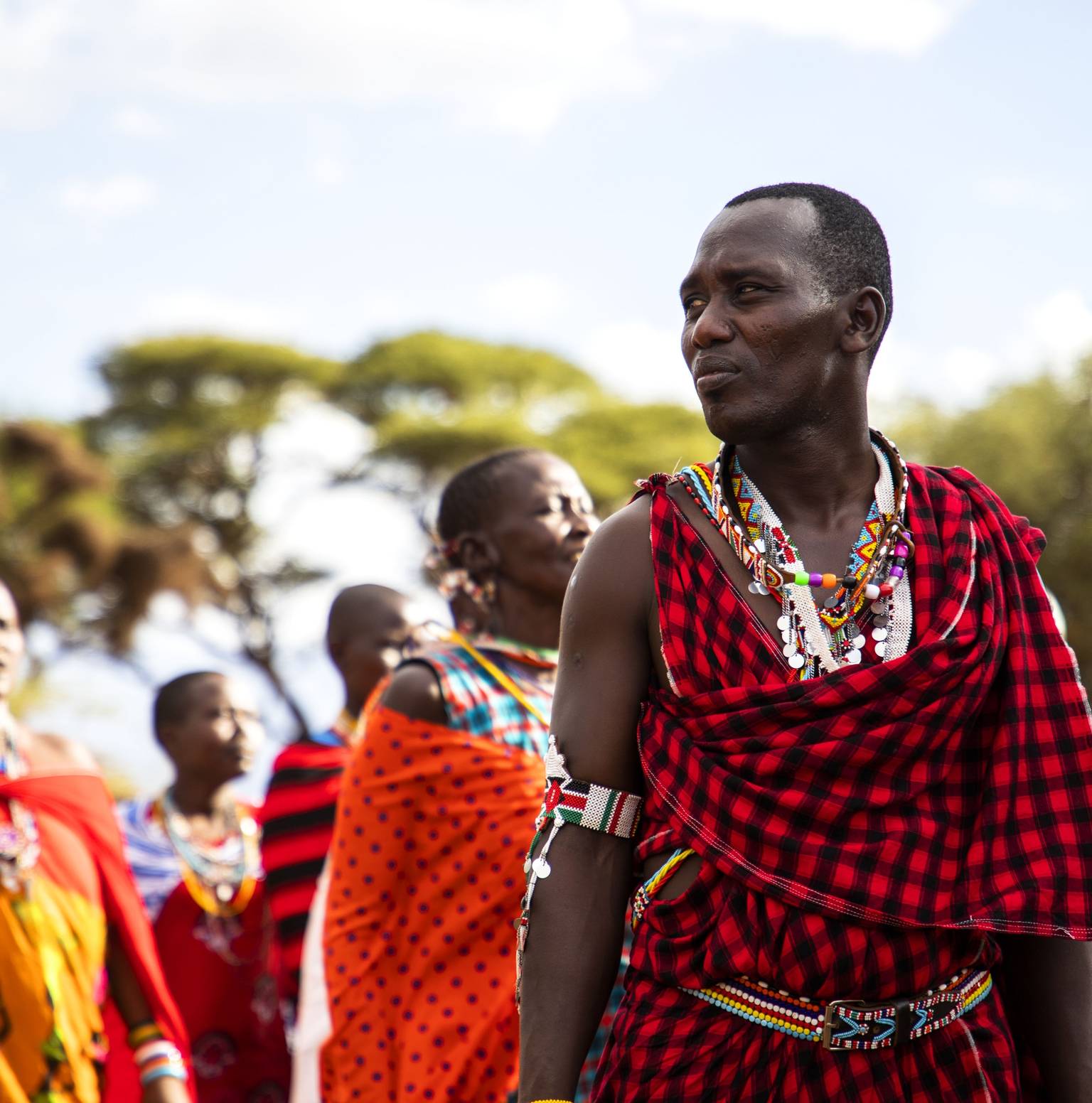
- Activities: Amboseli National Park - Overland Vehicle Game Drive Naramatisho - Maasai Village Visit Naramatisho - Women's Centre Visit Ngorongoro Crater - 4WD Safari Serengeti National Park - Afternoon 4WD Safari Serengeti National Park - Morning 4WD Safari Karatu - Coffee Tour Complimentary Sleeping Bag and walking pole hire ( must be requested at time of booking ) Mount Kilimanjaro - Trek Briefing Mount Kilimanjaro - Return transfers from hotel to park gate Mount Kilimanjaro - Porterage of 1 bag (9kg/20lb max) Mount Kilimanjaro - Emergency oxygen and comprehensive first aid kits Fully catered trek including National Park entrance fees, climbing fee, mountain huts & rescue services (5 days) Mount Kilimanjaro - Services of experienced English speaking mountain guides (first-aid qualified) cooks and porters (a minimum of 1 guide to every 2)
- Transport: Our trucks are purpose-built, self contained safari vehicles. Our fleet of vehicles varies depending on your group size, trip route and style. Your vehicle type may differ from those listed above. It is also important to note that our overland vehicles are not air-conditioned, but all vehicles have windows that can be opened to allow for fresh air. Each seat will have access to a power socket to charge your devices. This outlet will use a UK/K: enyan 3 pronged outlet. There are many early starts with long hours spent driving on rough roads on all African itineraries. While most people love the chance to watch the changing landscape and daily village life, feedback shows that long periods of inactivity does not appeal to all clients. We provide the approximate distance covered each day and how many hours this normally takes to drive so that you can choose the safari experience that is right for you. African conditions are extremely tough on vehicles. While we fastidiously maintain our vehicles at our workshops, you should not expect Africa to be your traditional touring experience. While it's certainly our aim to avoid them, it's important that you set off on your trip knowing that the occasional breakdown can happen and are best treated as part of the African adventure. Due to wet weather there may be times when we have to take an alternative route which will mean longer travel times. Overland Vehicle, Minibus, 4WD Safari Vehicle
- Accommodation: Accommodation on this trip is mainly in two-person canvas dome tents with camping mattresses supplied. The type and variety of accommodation are determined by conditions on each of our routes. Each route is different - on some, we use a mixture of campsites and wild camps; on others, we also use hotels. In Africa, it's not usually practical to camp when staying in towns and cities, so we use hotel accommodations and eat out in local restaurants. There may be the occasional night stop when we stay on the grounds of a hotel or at a campsite, which may also have rooms/cabins available. In this case, there may be a choice of camping or upgrading to a room. Rooms cost approximately USD : 40-100 per room per night for a twin room and cannot be pre-booked. Standards of these rooms vary greatly, and we recommend viewing the room before purchasing the night's accommodation. The day-by-day itinerary advises when upgrades may be possible (subject to availability). Keep in mind that if we are staying in dormitory accommodation, you may have to share with other passengers or be split into same-sex rooms. Campsites do have facilities, but they usually aren't to the same standard you would find in Western countries. For example, the bathroom facilities can be very basic. Toilet paper is rarely provided, and shower facilities can be as simple as a hose pipe spurting out cold water. Wild camps have no facilities at all. At times, there may be spare tents in the vehicles. Unfortunately, these cannot be used without the purchase of a single supplement. This is to ensure the tents avoid wear and tear or are clean and ready for the customers arriving on the next section of the trip., On the mountain you'll be staying in basic but comfortable wooden A-frame huts with single beds and simple mattresses. The huts are 4, 6 and 12 share depending on where you are on the mountain. Due to limited accommodation on the mountain, you may need to share a hut with non-Intrepid passengers and/or members of the opposite sex. There are also washroom huts with western & drop toilets and basins. Camping (with facilities) (3 nights), Camping (with basic facilities) (3 nights), Hotel (3 nights), Mountain hut (5 nights)
- Activities: Other activities and services not included
- Flights: International flights not included.
- Optional: Other activities and services not included
- Insurance: Insurance is not included. Travel insurance is required for this tour. Please make sure you are adequately covered. If you require travel insurance, TourRadar has partnered up with Cover Genius to provide a hassle-free experience. More information can be found here (https://www.tourradar.com/travel-insurance).
How travellers rate it
Cheapest live departure per day, in £, recorded by our tracker since 18 Jul. Never a brochure “was” price.
Your free day in Nairobi
Landing early, staying on, or filling free time? The best-rated day experiences in Nairobi — you book on Viator (we may earn a commission).
Worth it if you trust the guides on Kili's pace and want bucket-list wildlife and peaks. Think twice if you need active engagement during transport days or detailed health monitoring.
- Guides are genuinely outstanding across both sections; summit achievable if you follow their pace advice.
- Three bus days in Serengeti lack activities; expect downtime without structured engagement during transit.
- Kili pushes fast; felt pressure stopping for water or photos; health checks informal rather than thorough.
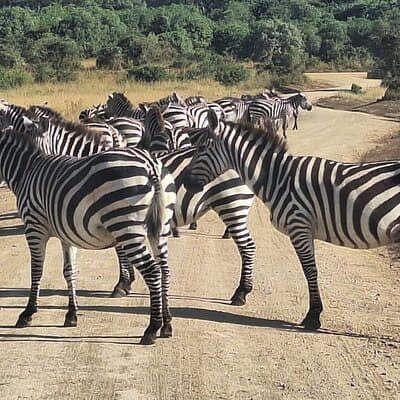
- Camping next to zebra herds, comfortable huts, excellent porters, and quality food throughout both sections.
Distilled from real traveller reviews on TourRadar — we don't edit out the bad bits.
The same-vibe trips, side by side — price, value per day, and how each is moving. Only we can lay two operators' trips out honestly.
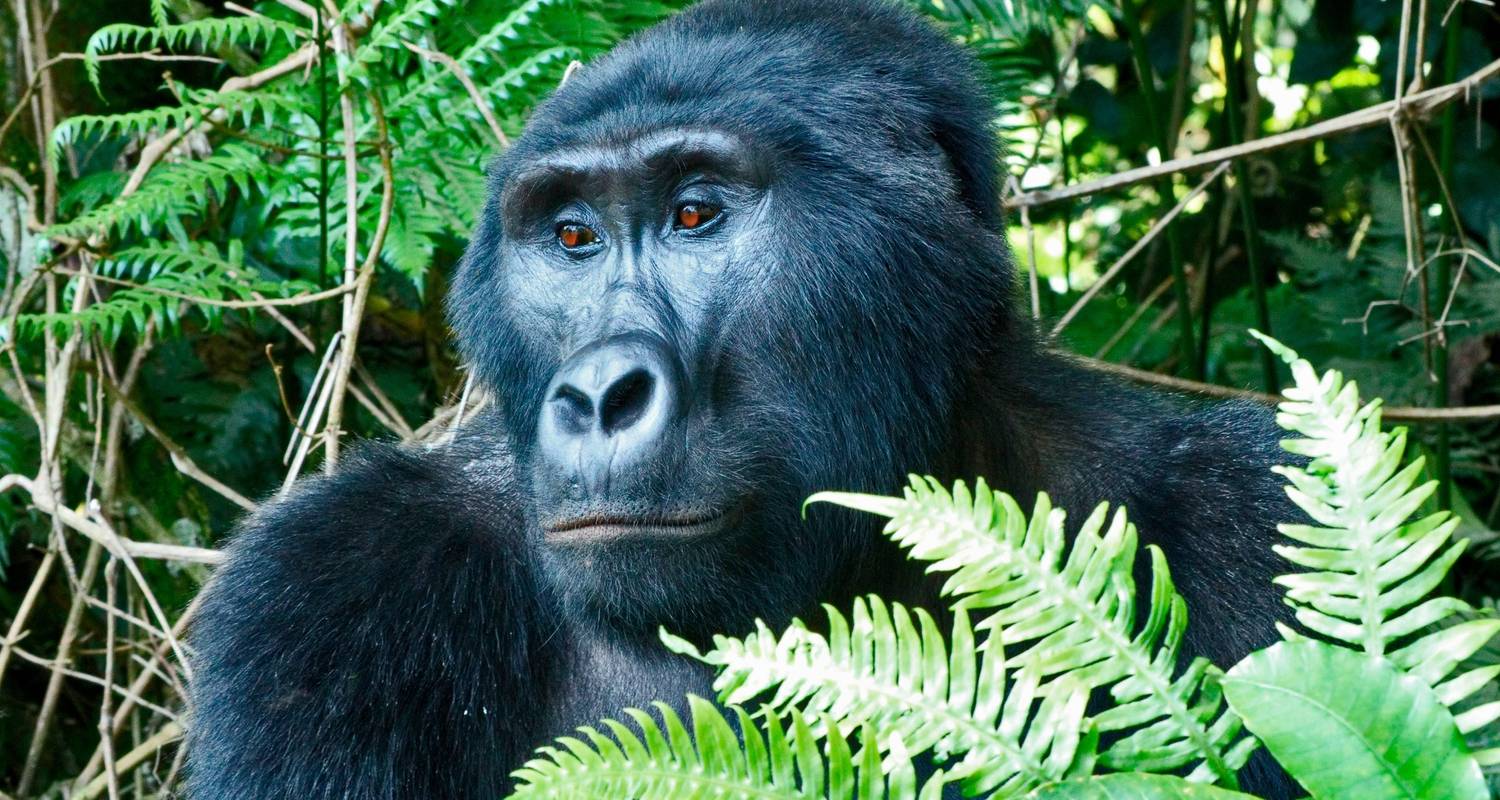
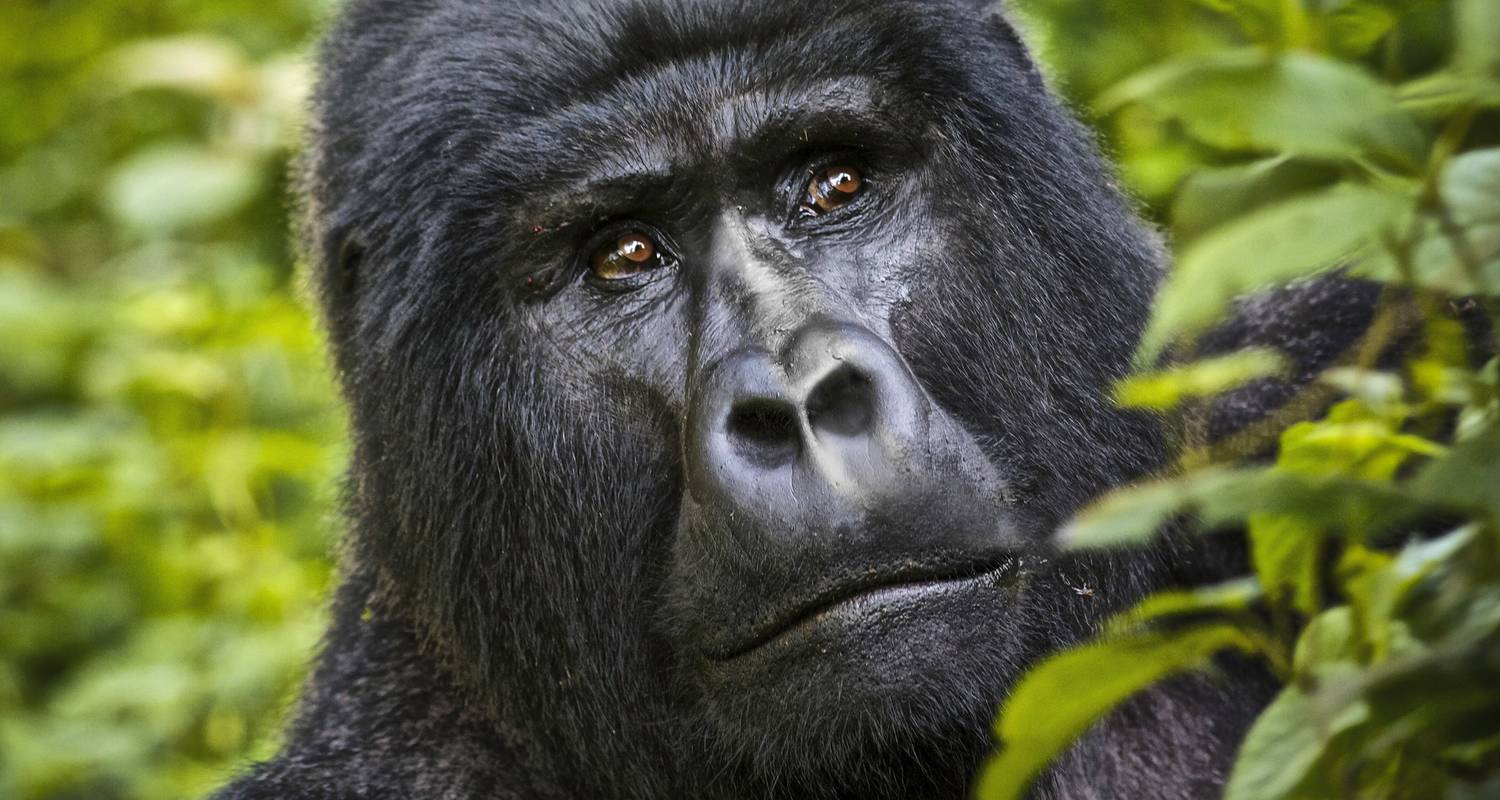
Sorted by fit — never by who paid. Price moves and availability come from our own daily tracking.
Departing in Aug is cheapest — from £3,855, about 13% below the priciest month (Sep).
Getting there
One-way so you can book your return whenever. Prices & booking shown on Trip.com.
Hotels in Nairobi
View more accommodationLive prices via Booking.com & partners, booked on their site — separate from your tour. We may earn a commission; it never changes your price.
On a budget?
Hostels in Nairobi for the night before your tour · 14 Aug – 15 Aug
Booked on Hostelworld, separate from your tour. We may earn a commission — it never changes your price.
Common questions
How long is Serengeti & Kilimanjaro?
It's a 15-day trip. It starts in Nairobi and finishes in Marangu.
How much does Serengeti & Kilimanjaro cost?
The land price starts from £3,857 per person for the 15-day trip. You book on TourRadar, where the live price always applies.
What will Serengeti & Kilimanjaro really cost me all-in?
On top of the £3,857 land price, budget roughly £359 for a return flight from the UK — about £4,216 all-in before spending money. Most day-to-day meals out and optional activities are extra.
What's included in the price?
The price covers all your accommodation, 38 meals (13 breakfasts, 12 lunches, 13 dinners), transport during the trip, a group leader/guide. Anything the operator lists as optional or not included — see the full breakdown on this page.
What's not included?
international flights and travel insurance (required) are not included, so factor them into your budget. We show typical flight costs and can point you to insurance on this page.
How big is the group?
Groups are capped at around 22 travellers — a small-group trip, mostly solo 18–35s travelling to meet people, not a coach tour.
When does Serengeti & Kilimanjaro run?
It runs across roughly 19 months of the year, so there's usually a departure to fit your dates. Check live availability and prices in the dates section above.
Sort the essentials
Partner offersWe may earn a commission from partner offers. It never changes your price or our ranking.
More trips like this
Ranked on real fit — in case this one isn't quite yours.
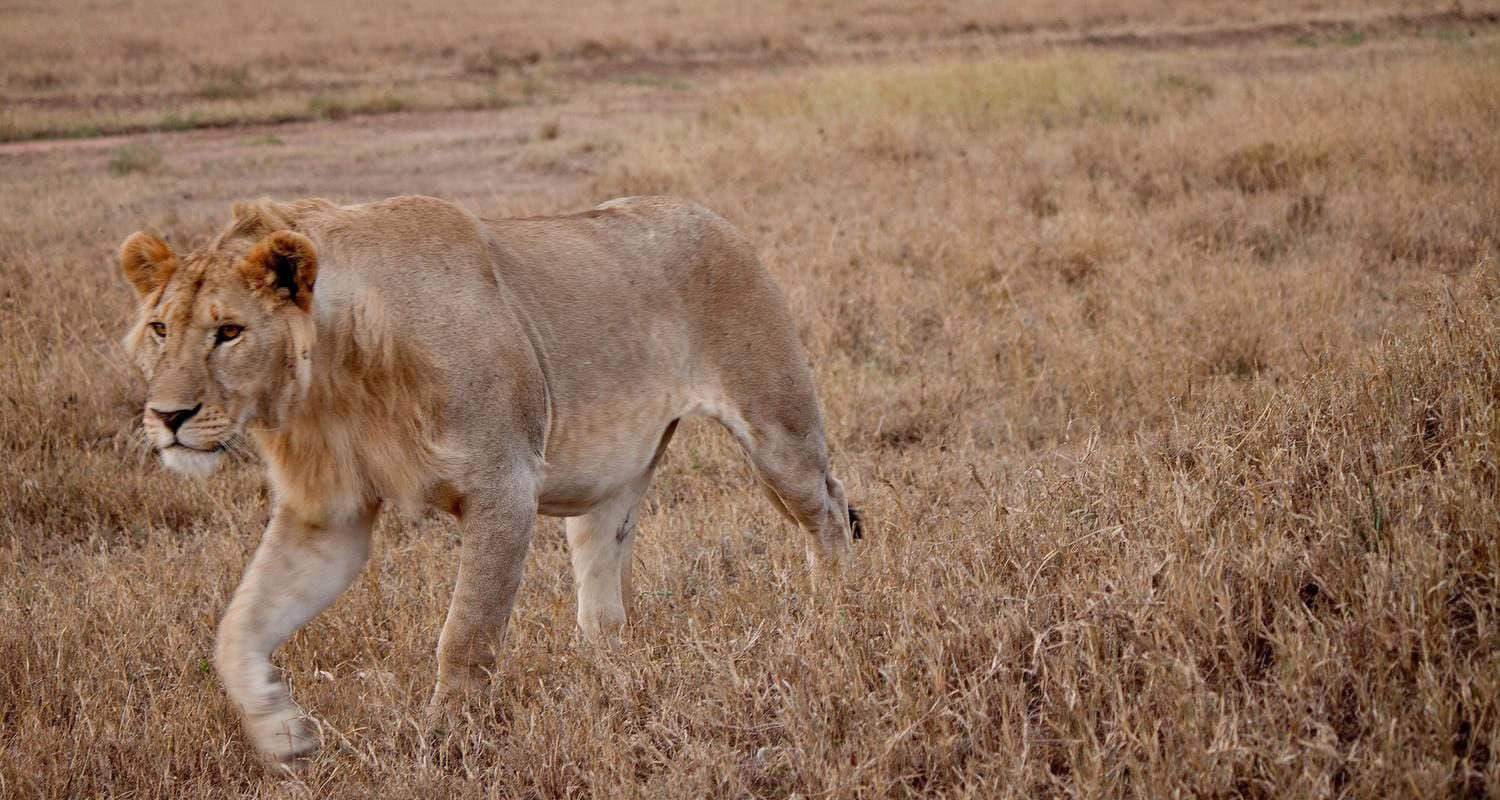
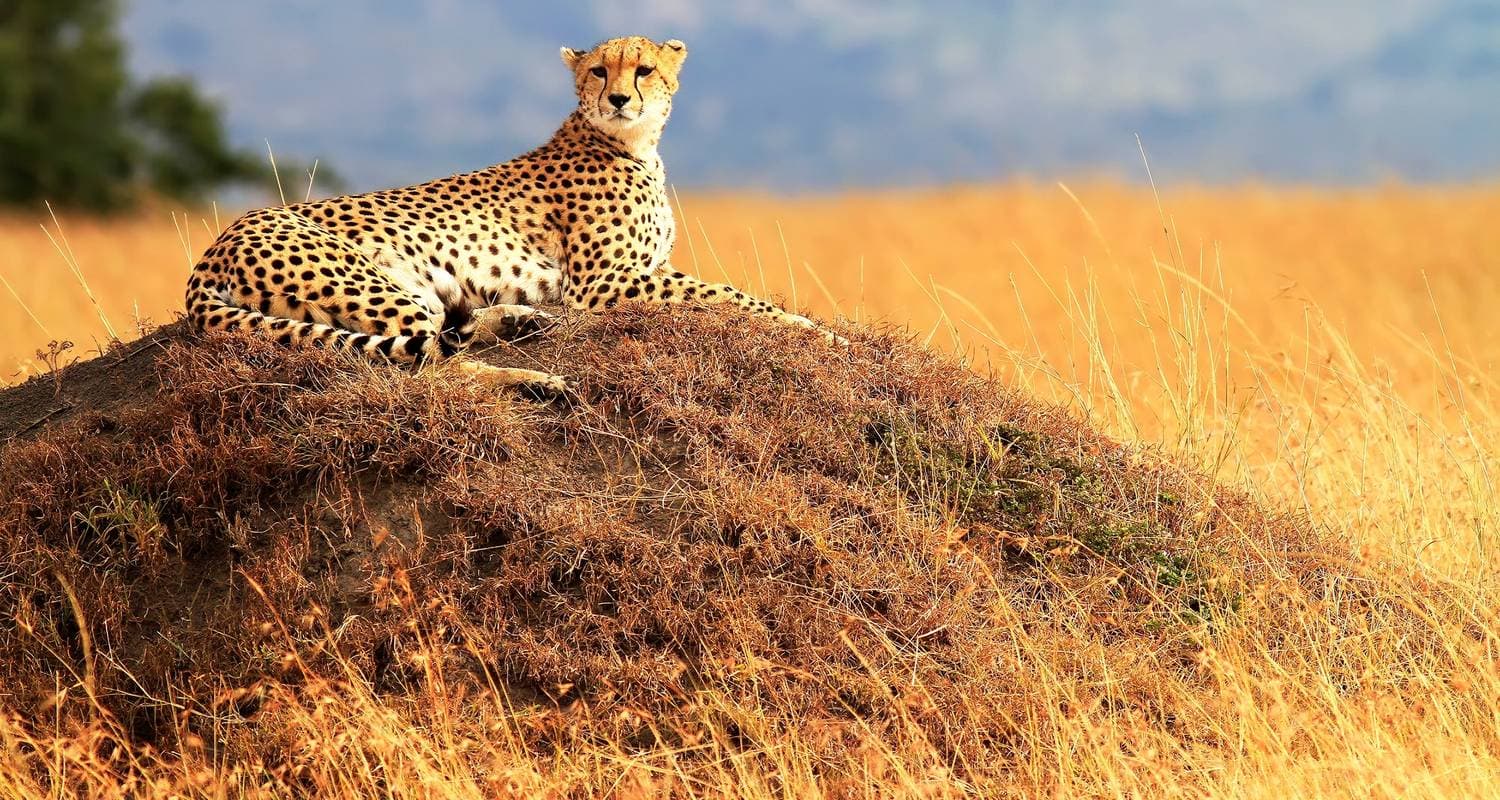
Booked with the operator via TourRadar · we may earn a commission.