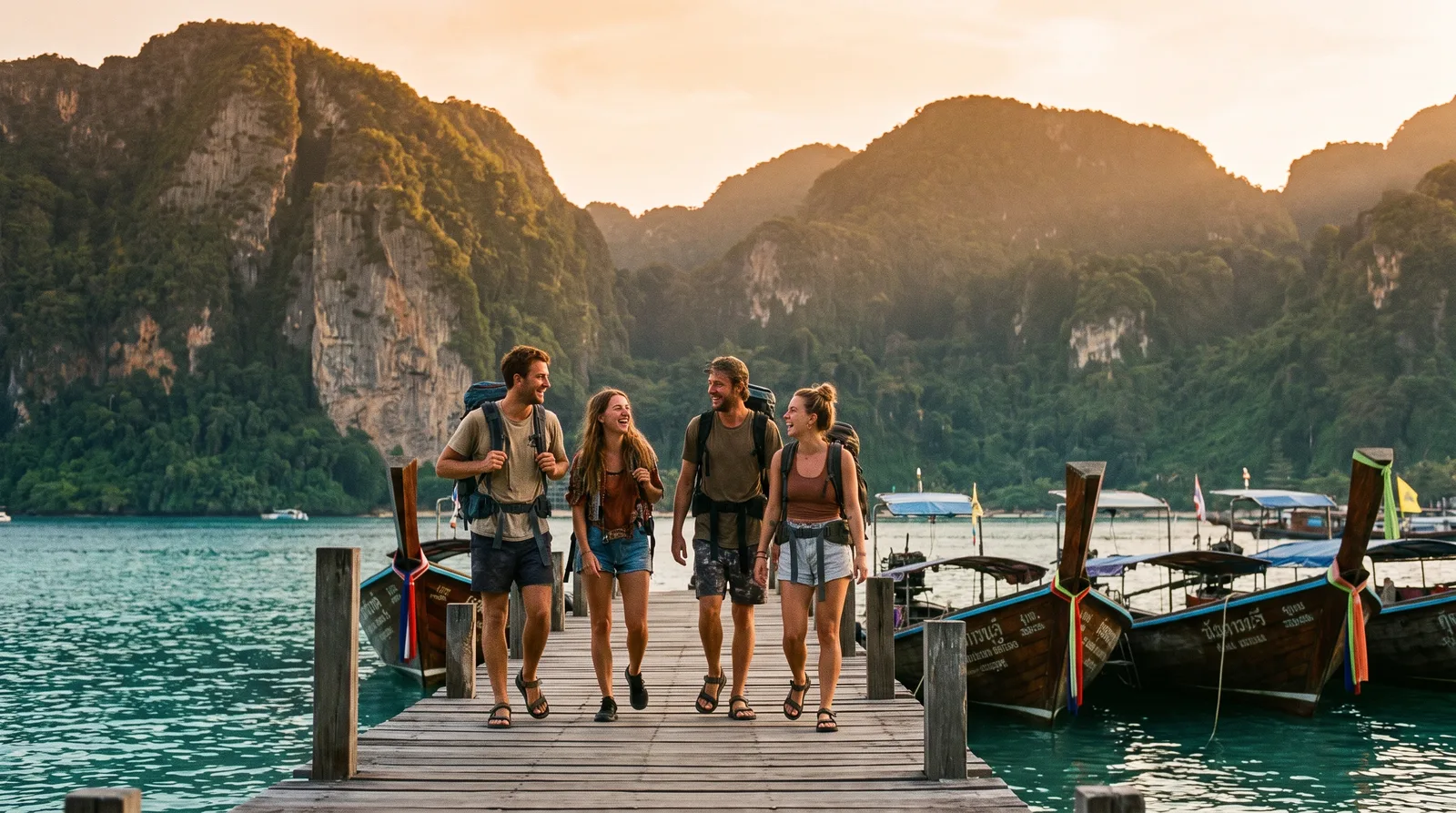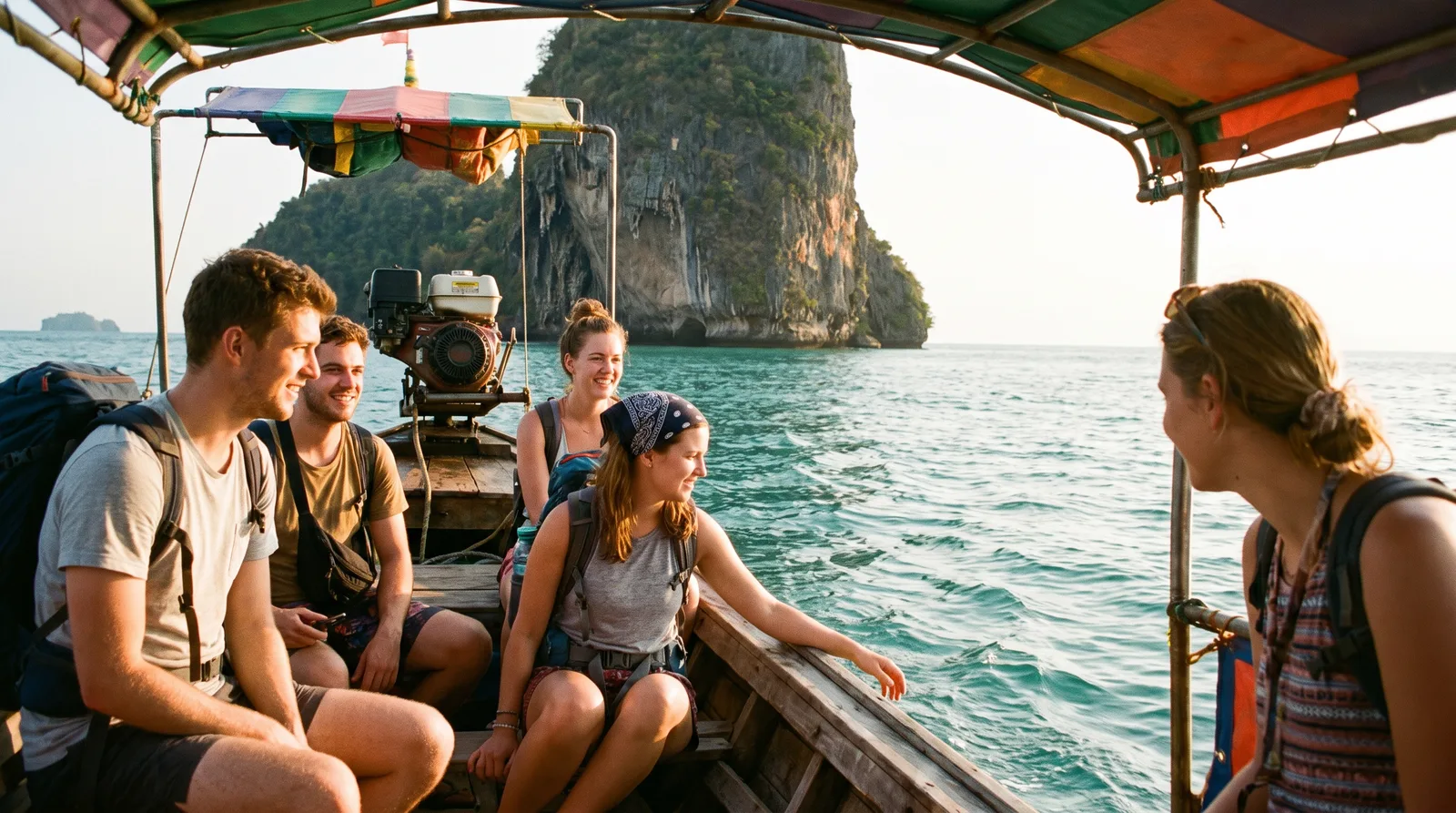
If someone in their twenties has just told you they are going travelling, the honest picture is this: the things you are picturing — terrorism, an abduction, a stranger in an alley — are the rarest things that happen to travellers. But travel does carry a genuinely elevated risk of injury, and it comes from the road and the water. The two things most worth doing before they fly are agreeing a check-in routine and reading the insurance exclusions — because the government cannot tell you where your adult child is without their permission, and it will not pay to bring them home.
- Of 1,534 US non-natural deaths abroad in 2019–2021, 402 were motor vehicle and 15 were terrorist action — cars killed nearly 27 times as many travellers (CDC Yellow Book, Figure 3.10.1)
- Road crashes, drowning and other accidents together account for 59.2% of non-natural traveller deaths; war and terrorism account for 2.7% (Journal of Travel Medicine, 2025, n=15,549)
- This is not the same as 'travel is safe'. A 2022 systematic review found travellers have a higher injury-death rate than the populations they leave behind
- British and US consular staff generally cannot tell you your adult child has been arrested — or even that they have been found — without that adult's consent
- No government pays to repatriate a body. A UK charity exists specifically to bring home travellers aged 16 to 30 whose families cannot afford it
- The FCDO's own costed example for a quad bike accident in Greece is £80,000+ — and gov.uk states that quad bikes and mopeds are 'not usually covered'
You are not being irrational
Almost everything written for worried parents starts by telling them they are wrong. It is worth saying plainly that the research does not support that.
The foundational work on how people judge risk — Paul Slovic's 1987 paper in Science — found that lay people can produce annual fatality estimates roughly in line with the technical ones when they are actually asked to. What differs is not their arithmetic but their definition. Expert risk is a death rate. Everyday risk also includes dread, controllability and how catastrophic the worst case would be. You are not failing to understand the numbers. You are weighting things the numbers deliberately leave out — and one of those things is that you will not be there.
Pew's 2024 survey of parents of 18-to-34-year-olds found 67% worry about their young adult child at least sometimes, rising to 75% among parents of 18-to-24s. It is worth being precise about what that does and does not show: Pew asked about worry in general — jobs, money, milestones — not about travel, and it contains no measure of whether the worry is calibrated. It tells you the feeling is close to universal. It cannot tell you it is wrong.
We went looking for rigorous research on how parents perceive risk when an adult child travels. There is essentially none. A targeted academic search returned only commercial and blog content — gap-year operators, travel insurers, travel brands. If you ever see a statistic in the shape of 'X% of parents worry about their child travelling abroad', assume it began life in a press release until someone shows you otherwise. We would rather say that than invent a number.
The things you are picturing are the rarest things that happen
The best traveller-specific breakdown that exists comes from the CDC Yellow Book, covering 1,534 non-natural deaths of US citizens abroad between 2019 and 2021. Motor vehicles: 402. Homicide: 292. Suicide: 225. Drowning and maritime: 206. Aviation: 57. Drug-related: 30. Terrorist action: 15.
Fifteen, over three years, across the world. Cars killed nearly twenty-seven times as many.
The global picture agrees. The 2026 Global Terrorism Index found that just 1% of deaths from terrorism in 2025 occurred outside conflict-affected countries, and that just under 70% of the year's total occurred in five of them. Thirty-six countries recorded a terrorism death at all, down from fifty-seven a decade earlier.
What we are not going to do is hand you one of those viral comparisons — more likely to be killed by a vending machine, by furniture, by your own clothing. We traced them to source. The vending machine figure is fabricated, the clothing one is a forty-year cumulative rate reprinted as an annual one, and the National Safety Council, which is usually cited for them, publishes no terrorism odds figure at all. Reassurance built on a fake number is not reassurance.
- Motor vehicle
- 402
- Homicide
- 292
- Suicide
- 225
- Drowning / maritime
- 206
- Aviation
- 57
- Terrorist action
- 15
This is not the part where we tell you travel is safe
Most articles pivot here into 'so you have nothing to worry about'. That would be dishonest, and the evidence does not support it.
The best available systematic review, published in the Journal of Travel Medicine in 2022, concluded that travellers appear to have a higher risk of injury mortality than domestic populations, with relative rates ranging from 1.04 to 16.7 depending on the study and destination. It also found that injury accounts for close to a quarter of all traveller deaths, and — this is the important half — that most of those injuries are 'theoretically preventable'.
So the honest line is not that the danger is imaginary. It is that it is a different danger from the one in your head, and unlike terrorism or abduction it is a danger that responds to ordinary decisions made by the person taking the trip.
The real danger is the road and the water
The largest study of its kind, published in the Journal of Travel Medicine in July 2025, analysed 15,549 non-natural deaths of US citizens abroad between October 2002 and December 2022. Vehicular accidents accounted for 28.8%. Non-vehicular accidents, 16.9%. Drowning, 13.5%. Together, road and water and general accidents make up 59.2% of the total. War and terrorism combined make up 2.7%.
One earlier analysis is even starker about where this concentrates. Looking at US injury deaths abroad from 2004 to 2006, drowning accounted for 63.5% of injury deaths in island nations, against 3.5% elsewhere. Vehicle crashes accounted for 37.8% of injury deaths in the low- and middle-income Americas.
Island nations and cheap motorbike hire are, of course, precisely the shape of a first big trip — the standard Thailand loop, island-hopping in Greece, or a run down through Central America. That is not a reason to stop them going. It is the reason the conversation should be about scooters and swimming rather than about whether a country is 'safe'.
Violent crime is not nothing — but it is a question about a place
It would be easy, and wrong, to write that violent crime is negligible. In that same 15,549-death dataset, homicide accounts for 21.1% of non-natural deaths — the second largest category after road crashes.
You will also see a much smaller-sounding British figure. In the 2022 UK consular data, murder or manslaughter accounts for 7 of 3,987 deaths abroad, or 0.18%. Both numbers are true, and the difference is entirely the denominator: the US figure is a share of non-natural deaths only, while the British one is a share of all deaths abroad, most of which are natural. Quoting either without saying which is which would mislead you.
What is genuinely reassuring is where that 21.1% sits. It is heavily geographically concentrated — a small number of countries dominate the figures. Which makes it a question about a specific destination, and about specific regions inside it, rather than a property of travelling at all. If the worry underneath this is a daughter travelling alone, our honest safety guide to solo female travel is a more useful read than any country ranking.
What actually goes wrong, in the numbers
Most governments do not publish their consular casework in any detail. The UK does, so its figures are the clearest window anyone has into what actually happens to travellers — and the shape of it is not country-specific.
In 2024 to 2025 the Foreign, Commonwealth and Development Office provided tailored consular assistance to over 22,200 British nationals overseas: support to the families of more than 6,000 who had died, around 3,500 who were hospitalised, and almost 5,000 who had been detained. It answered over 400,000 enquiries.
And it issued more than 24,500 emergency travel documents.
That last number is the one to hold on to. By an order of magnitude, the single most common thing that goes wrong is losing a passport. The worst cases are real and they are counted honestly above — but they sit underneath a mountain of paperwork, lost documents and inconvenience.
One thing every government is blunt about, and most people assume the opposite. The FCDO: 'You do not have a legal right to consular assistance, and you should not assume assistance will be provided. Local authorities abroad will not treat you differently because you are British.' Australia and Canada say near-identically the same thing, and Australia goes further, listing behaviour that can limit help — acting illegally, repeatedly acting recklessly, or a pattern of needing rescuing before. Consular help is discretionary everywhere. It is not a safety net anyone is entitled to.
- United Kingdom
- +44 (0)20 7008 5000
- United States
- 1-888-407-4747 · +1-202-501-4444 from abroad
- Australia
- 1300 555 135 · +61 2 6261 3305 worldwide
- Canada
- +1 613 996 8885 (accepts collect calls)
The one nobody tells parents: they need your child's permission
This is the single most important thing in this article, and it is almost never explained to parents in advance.
On being arrested abroad, the FCDO's guidance says that 'with your consent', the embassy or consulate can tell your family and friends — and that it 'will not usually share your personal information with third parties, including with your family, without your consent'.
On someone going missing, it is starker still. The FCDO 'can only pass information about this to you if they have the person's consent', and cannot 'share information with you if the person is found but does not give their permission to give it to you'. The US position mirrors it: consular staff contact family 'normally with written permission from the detainee'.
Read that again, because the implication is hard. Your adult child is an adult. In the situation you are most afraid of, the state may not be able to tell you they have been found, let alone where they are.
There is no way to opt out of that. There is only one way around it, and it is free: agree, before they go, how and how often they will make contact.
The UK's old traveller registration scheme, LOCATE, was withdrawn around 2013 and has never been replaced. The nearest equivalent — travel advice email alerts at gov.uk/foreign-travel-advice/email-signup — is a broadcast mailing list, not a register: the FCDO does not know who you are or where you are. The US STEP scheme is live and is the only one with an emergency contact field; Canada's ROCA is live and is the only one that will pass on a family emergency at home. The FCDO's own advice to travellers is simply to tell someone they trust where they are going and leave them copies of their passport and insurance details. In practice, that someone is you.
No government will pay to bring them home
The FCDO's guidance on what happens when a British national dies abroad states it twice, in the same document: it cannot pay burial, cremation or repatriation expenses. 'If they did not have insurance, you will usually need to appoint and pay for your own funeral director… or for an international funeral director in the UK to bring the person's body to the UK.' The US State Department is equally direct — it 'can't pay to return U.S. citizens' remains or ashes'. Canada is the one meaningful exception among the four, and even there the wording is assistance with repatriating remains, not free repatriation.
Here is the proof of how real that gap is. Alongside that guidance, gov.uk signposts charities that fund repatriation for families who cannot — including one offering UK-wide financial assistance for repatriating young people aged 16 to 30 who have died in an accident overseas.
A charity exists specifically to bring home dead 16-to-30-year-olds, because the state will not. That is the entire argument for travel insurance for this age group, and it needs no embellishment from us.
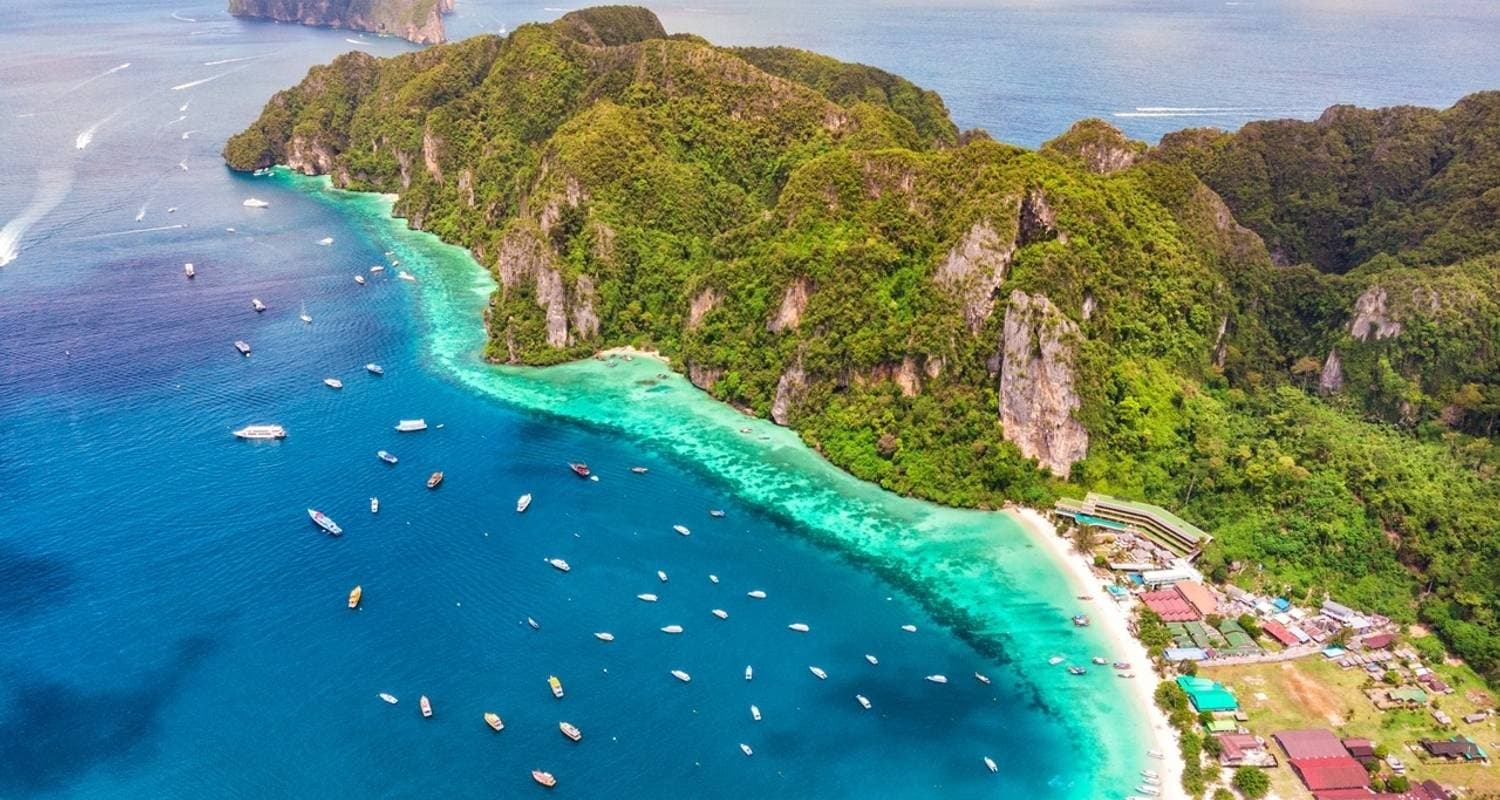
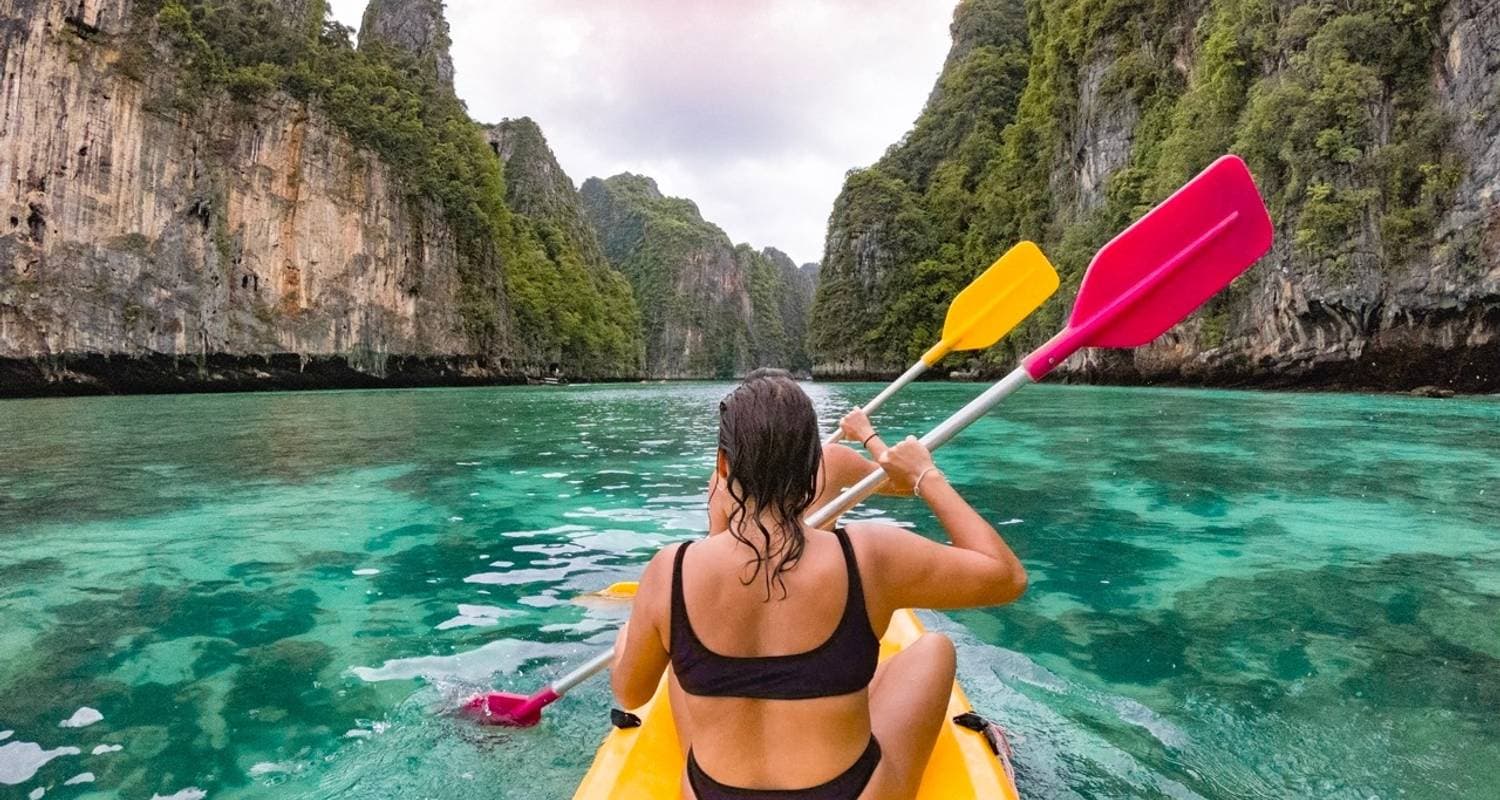
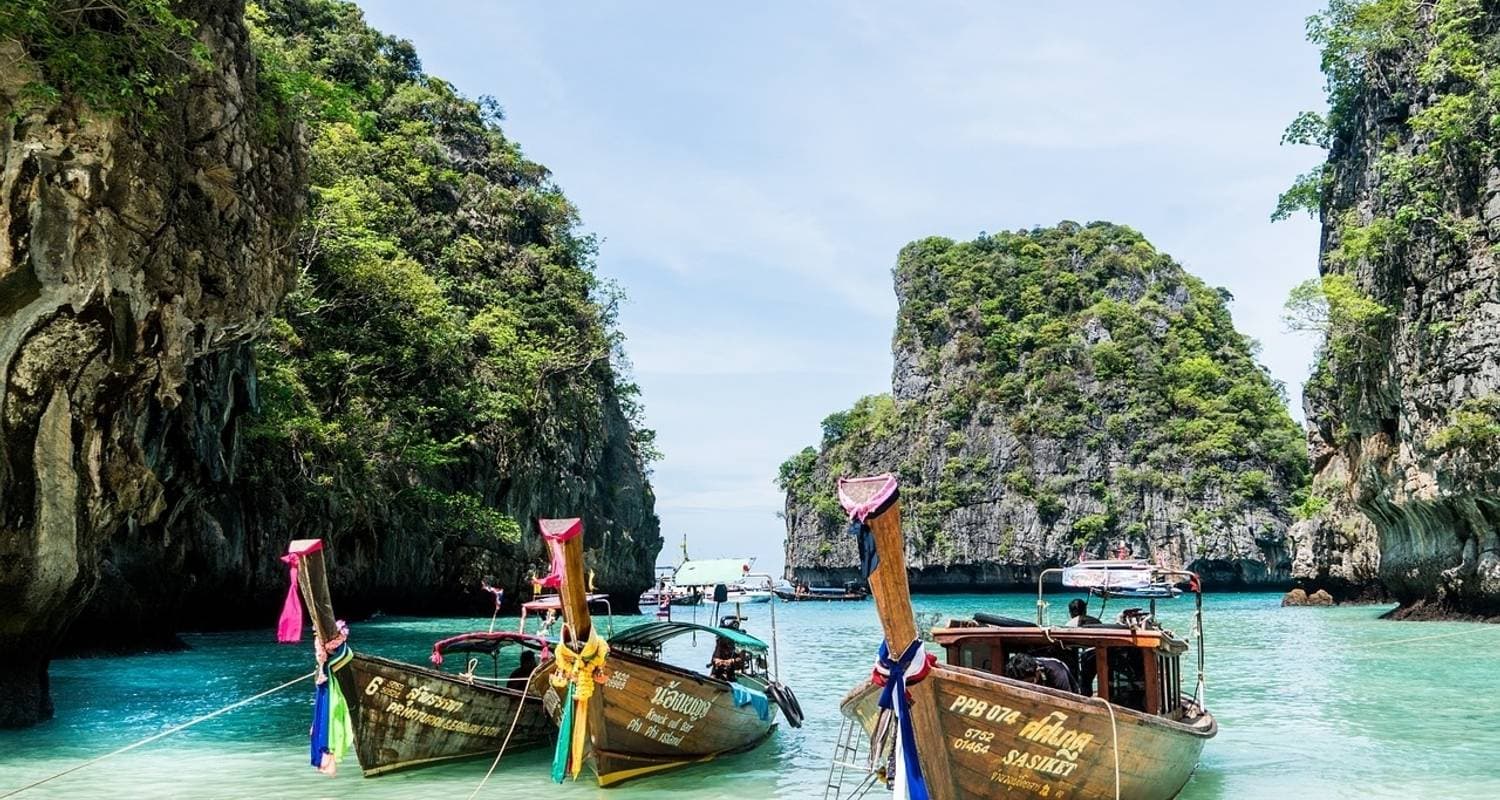
Small-group trips in Thailand
See all

Booked with the operator via TourRadar — we may earn a commission. It never changes your price.
- Broken leg in Spain
- £25,000+ treatment and repatriation
- Quad bike accident in Greece
- £80,000+ surgery and repatriation
- Stomach bug in a US hospital
- £150,000+ with repatriation
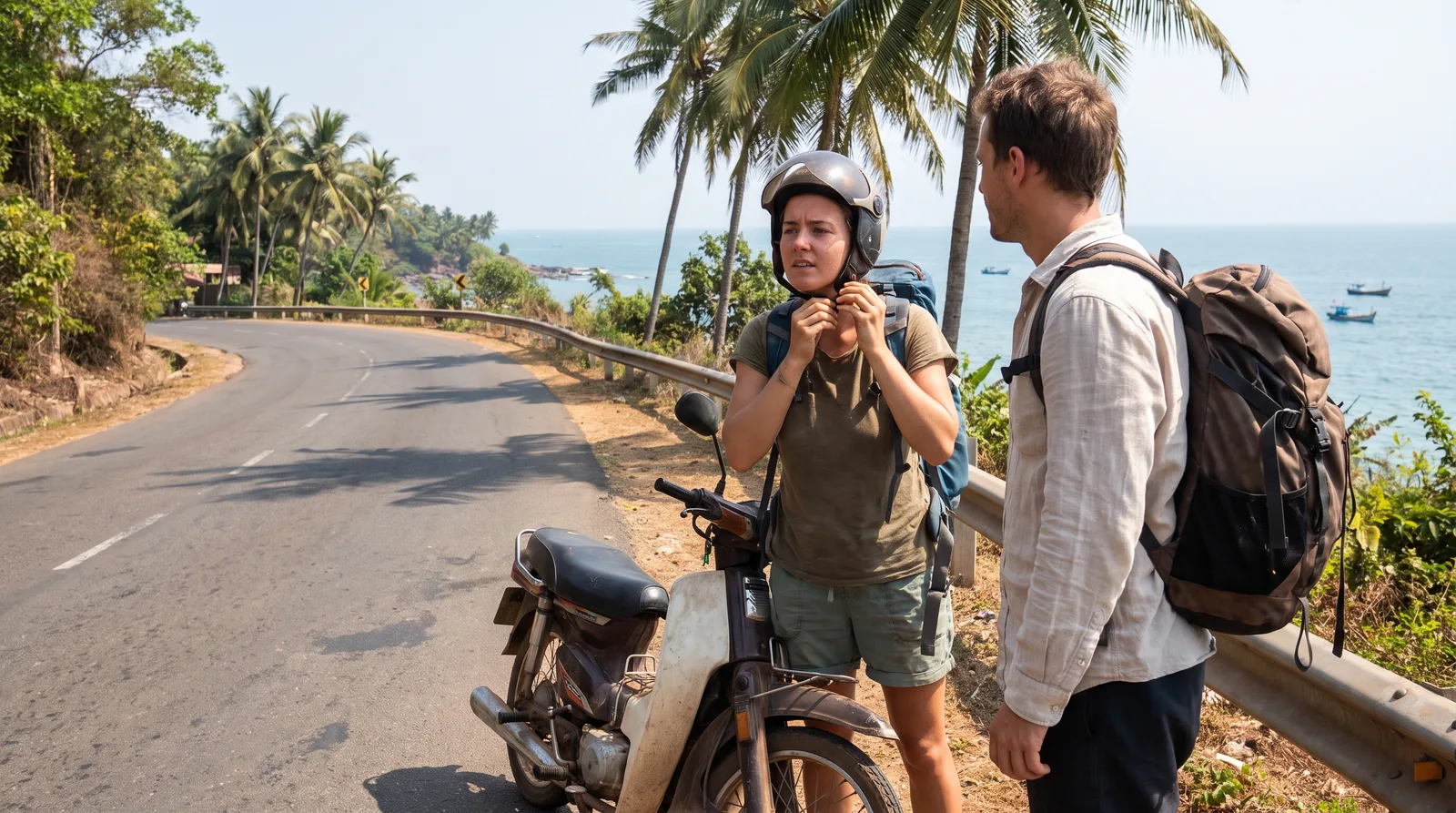
The moped is this whole article in one object
Everything above converges on a single, unglamorous thing.
Road traffic is the largest single cause of non-natural traveller deaths. Hiring a scooter for a few pounds a day is close to a rite of passage on exactly the routes this age group takes — it is a standing line item in what a month in Southeast Asia actually costs. And the UK government's own foreign travel insurance guidance says, in plain words, 'use/hire of quad bikes or mopeds: they are not usually covered'. Its costed example of a quad bike accident in Greece — £80,000 and up — is on the same page.
Sitting next to it is the other exclusion that matters for this age group: 'most travel insurance policies do not cover events that happen after you have drunk excessive alcohol or taken recreational drugs'.
Between them, those two lines cover an uncomfortably large share of the realistic claims a twenty-something might ever need to make. This is also exactly where cheaper policies differ from better ones — it is the main thing separating the tiers most young travellers compare. Three questions do more good than any amount of general worrying: are you hiring a scooter, is there a helmet, and does the policy actually cover it. Add a fourth if the trip involves islands: can you swim where you are going, sober.
What a policy for this age group actually needs to cover
Read the guideWhere the cheaper tier stops covering the activities they'll do
Read the guideThe small, real, everyday stuff — not the horror stories
Read the guideHow to check whether somewhere is risky — and why we won't print a rating
We deliberately publish no country safety score, and no snapshot of anyone else's. Here is why.
On a single day in July 2026 we checked the live advice for roughly eighteen countries. Two of them had their advice changed that same day — one raised, one lowered. Every cached summary, every search snippet and every article written the week before was already wrong about them. That is not an unusual day; it is what a live advisory system looks like. Anything printed in an article is a photograph of a moving thing.
The second reason is that advice nests. A country can carry no general warning while specific regions inside it carry serious ones. 'Is Thailand safe?' has no answer; 'what does the advice say about the region they are actually going to' does.
And the direction of travel is not one-way. Advice is lowered as well as raised — Nepal's was lowered after the 2025 unrest stabilised, in the government's own words. Somewhere being on a list last year does not mean it is on it now.
Open the official page for the specific country yourself, on the day you want to know. Read the regional exceptions, not just the top of the page. Then check the dates — 'Updated' tells you when the advice last actually changed, while 'Still current at' is only a freshness stamp and moves every day regardless. One useful correction while you are there: the FCDO assigns no levels, numbers or scores to countries at all. It only ever advises against 'all travel' or 'all but essential travel', and it applies that to areas rather than whole countries. The red and amber on its maps are cartography, not ratings — and a country with no coloured areas is not 'green', it simply has no warning.
What travelling against official advice really means for insurance
This is widely overstated, in both directions, so it is worth being exact.
It is true that many standard policies will not cover travel to somewhere the FCDO advises against — gov.uk's own wording is 'many', not 'all'. It is not true that doing so automatically 'voids' a policy. The FCDO says such travel 'could' or 'may' invalidate cover, the Association of British Insurers says it is 'likely to', and the FCDO is explicit that 'only your travel insurance company can decide whether to accept an insurance claim'. There is no financial regulator rule mandating the exclusion; it is an underwriting decision.
Two details that almost never make it into consumer coverage. First, the ABI states that if the advice changes once you are already abroad, your cover continues as normal — so a country's advice being raised mid-trip does not strip them of insurance overnight. Second, specialist cover for advise-against destinations does exist, but it has to be arranged before departure.
And since advice is usually regional, 'the government advises against travel to that country' is very often simply not what the page says.
Australia is the only one of the four governments that builds this warning into the advisory itself, stating plainly that most standard policies will not cover its highest-level destinations and that the Australian government will not pay those costs. It is the clearest statement of the principle any of them make, and it applies wherever you are reading from.
The conversation actually worth having
There is one measured finding about what fear does to a trip. A 1998 study in the Journal of Travel Research found that perceived risk and safety were both stronger predictors of avoiding regions than of planning to visit them. Fear subtracts destinations; it does not add precautions. So a general 'is it safe?' tends to shrink where they go without changing anything about how they behave when they get there — which is the opposite of what you actually want.
The questions that map onto the evidence are narrower, and easier to ask without a row:
Who is driving, and are you getting on a scooter? Is there a helmet? Can you swim where you are going, and will you be drinking near water? Which specific region are you going to, and what does the official page say about that region this week? Does your policy cover the activities on your list, and does it run the full length of the trip? And: when will I hear from you, and what do we do if I don't?
That last one is not sentimental. Given the consent rules, it is the only backstop you have.
One more thing worth knowing before you picture the worst: most of what actually goes wrong day to day is money, not danger. If you want a realistic sense of it, the scams backpackers genuinely meet are small, dull and financial. And if a first trip with other people in it would settle this for both of you, the group tour versus solo trade-off is the honest comparison.
If you ever have to report someone missing abroad, the FCDO will ask for: their full name, date and place of birth; passport details; the last place, date and time anyone had contact with them; their itinerary and who they are travelling with; any medical condition; mobile number, email and social media accounts; and insurance details. Gather it now, not then. Two more things worth knowing in advance: you do not have to wait 24 hours — the FCDO states plainly that you can report a missing person at any time — and some insurance policies cover search and rescue costs abroad, so check theirs. The FCDO's 24/7 number from inside the UK is +44 (0)20 7008 5000.
Source: FCDO — Getting help if someone goes missing abroad (gov.uk)
Source: FCDO — Foreign travel insurance, including the quad bike and moped exclusions (gov.uk)
Common questions
Is travelling actually more dangerous than staying at home?
For injury, the best available systematic review says yes — travellers show a higher injury-death rate than domestic populations, with relative rates ranging from 1.04 to 16.7. We are not going to tell you travel is safer than home, because the evidence does not say that. What it does say is that the elevated risk is overwhelmingly road, water and other accidents, most of which are described as theoretically preventable.
Should I worry about terrorism where they are going?
It is the rarest thing in the data. Terrorist action accounted for 15 of 1,534 non-natural US traveller deaths across 2019–2021, and just 1% of global terrorism deaths in 2025 occurred outside conflict-affected countries. It is also worth stating the other direction honestly: terrorism deaths in the West rose sharply in 2025, from a very low base, to 57. And no dataset anywhere tracks tourist terrorism deaths specifically, so anyone quoting you a per-tourist rate has made it up.
Will the embassy tell me if something happens to my child?
Not necessarily, and this surprises almost everyone. Because your child is an adult, British consular staff generally will not share personal information with family without that adult's consent — including, in the FCDO's own words, whether a missing person has been found. Consular assistance is also discretionary rather than a legal right. This is why a pre-agreed check-in routine matters more than any amount of research into a destination.
Is there anywhere I can register their trip with the government?
Not in the UK. The old LOCATE scheme was withdrawn around 2013 and has not been replaced; the gov.uk travel advice email alerts are a broadcast mailing list, not a register. The US STEP programme and Canada's ROCA are live, and Australia opens crisis registration during an actual emergency. Australia's stated reason for ending routine registration is instructive: too many itineraries were inaccurate or never updated, which made it harder to reach the people who genuinely needed help.
What does travel insurance actually need to cover for this age group?
Start with the two exclusions gov.uk names itself: hire or use of quad bikes and mopeds is not usually covered, and most policies exclude events that happen after excessive alcohol or recreational drugs. Then check that the policy runs the full length of the trip — many cap trip duration — that any pre-existing physical and mental health conditions are declared, and that the specific activities are listed. A GHIC is not a substitute for insurance, and the policy should be bought as soon as the trip is booked, not the week before departure.
How do I check whether a specific place is dangerous right now?
Open the official travel advice page for that country on the day you want to know, read the regional exceptions rather than the summary, and check the 'Updated' date to see when the advice last genuinely changed. Do not rely on any article's snapshot, including ours: on one day in July 2026 we watched two of about eighteen countries change their advice within hours of each other, one up and one down.

Mia covers where you sleep and how you feel doing it — hostels worth booking, the social-versus-chill trade-off, and solo-female travel with safety treated as the headline, not a footnote. Warm and practical, and honest about the places that don't live up to the photos.