
A classic 2-week Europe rail loop threads five or six cities on one Interrail/Eurail pass: start in London or Paris and head east through Amsterdam, Berlin, Prague and Vienna. Two to three nights per city, most legs 4–7 hours, and it runs best May–September.
- London or Paris start — Eurostar links the two in ~2.5h.
- Paris → Amsterdam (~3.5h), then Amsterdam → Berlin (~6h).
- Berlin → Prague (~4.5h) → Vienna (~4h), with Budapest an easy add-on.
- One rail pass covers the lot; high-speed and night trains need a seat reservation on top.
- Go May–September for the weather; book beds and reservations ahead in peak summer.
The 2-week route, at a glance
Navigating an international rail network across Western and Central Europe requires a strategic approach to train connections, seat reservations, and summer crowding. For young adults and 20-somethings, a cohesive 2-week multi-country loop starting in London or Paris offers the ultimate balance of culture and nightlife — and the pass means you can decide most mornings where you'll sleep that night. If you'd rather not plan every connection yourself, the same cities are stitched together by the youth operators we compare, so you can weigh doing it independently against an organised group trip.
Leg by leg: London/Paris → Amsterdam → Berlin → Prague → Vienna
Start in London or Paris — the Eurostar between them is the one leg worth the splurge. From Paris, run north to Amsterdam for the canals and a first big night out, then east to Berlin, the anchor of the trip and worth three nights. Berlin drops south to Prague — the cheapest and prettiest stop — and Prague to Vienna for the grand-café, classical-Europe contrast. Tight on time? End in Vienna. Have a few days spare? Budapest is a short hop on and the best-value nightlife on the route.
Passes, reservations & timing
An Interrail pass (for European residents) or Eurail pass (for everyone else) covers the network; a continuous 15-day pass suits this trip. The catch is seat reservations — high-speed trains (Eurostar, Thalys, French/Italian TGV) and any night train need a paid reservation on top of the pass, and they sell out in summer, so book the fast legs a few weeks ahead. Regional trains you can just hop on. May, June and September give you the long days without the July–August crowds and prices.
Small-group trips in Italy
See all


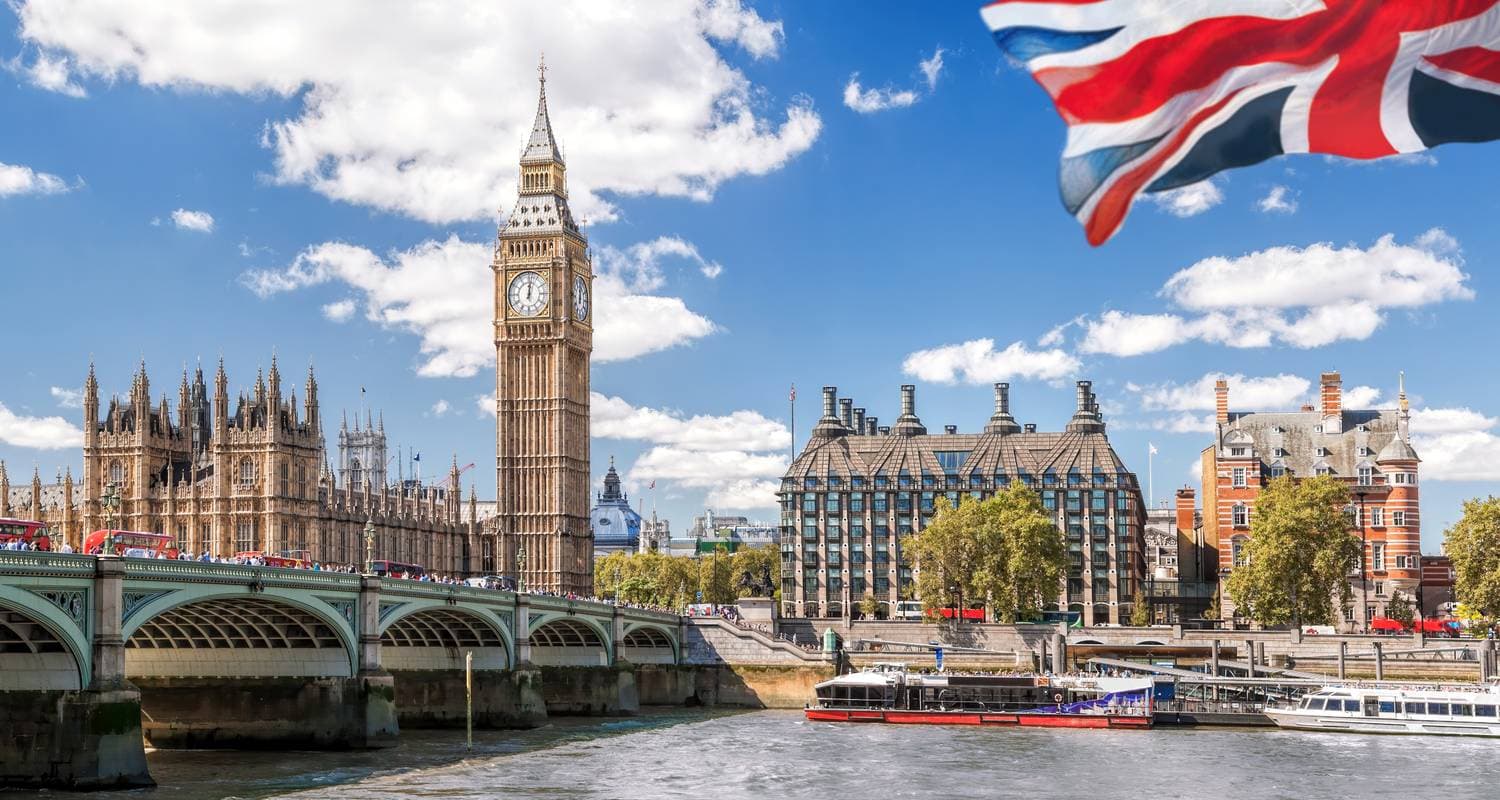
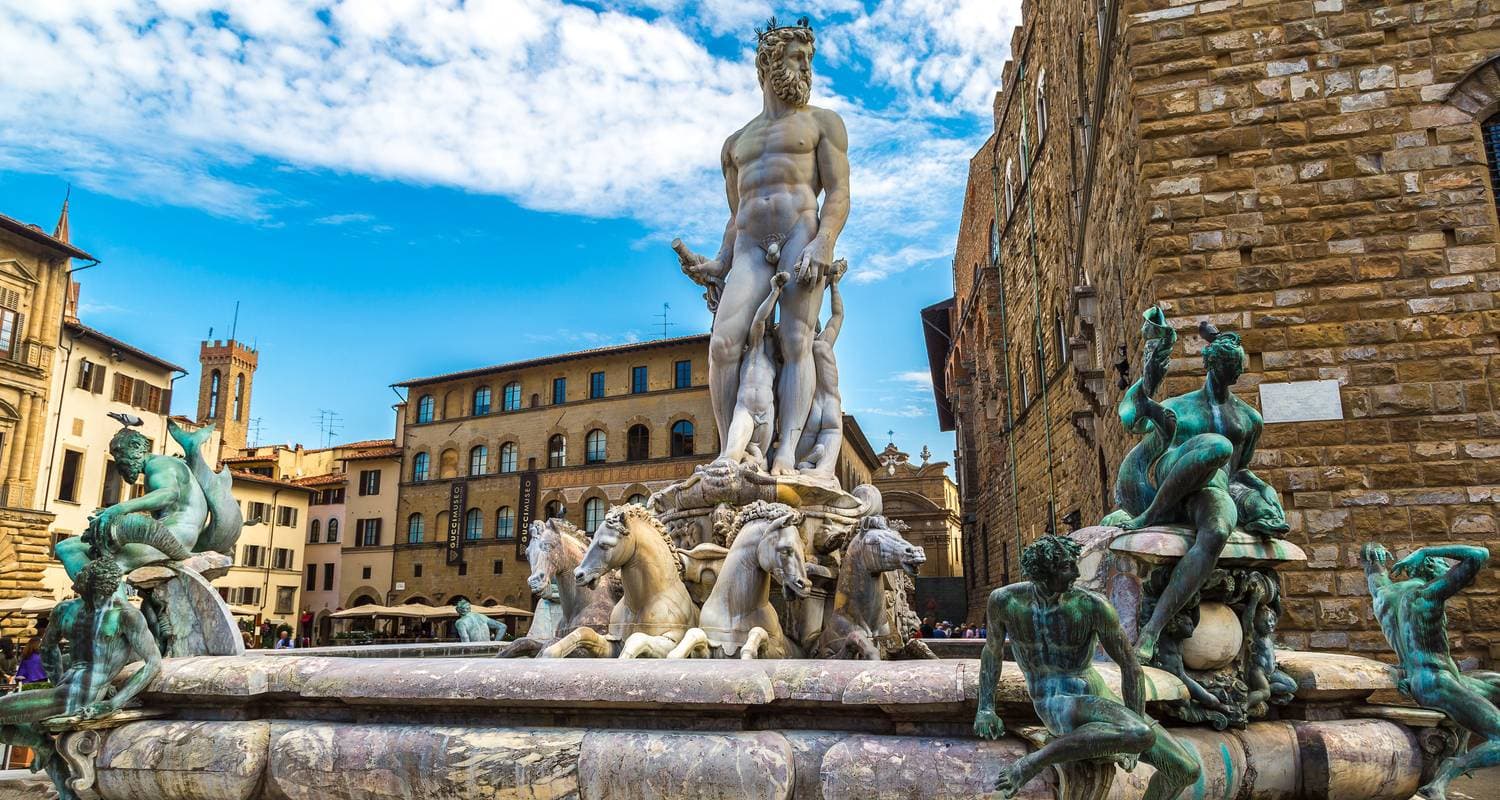


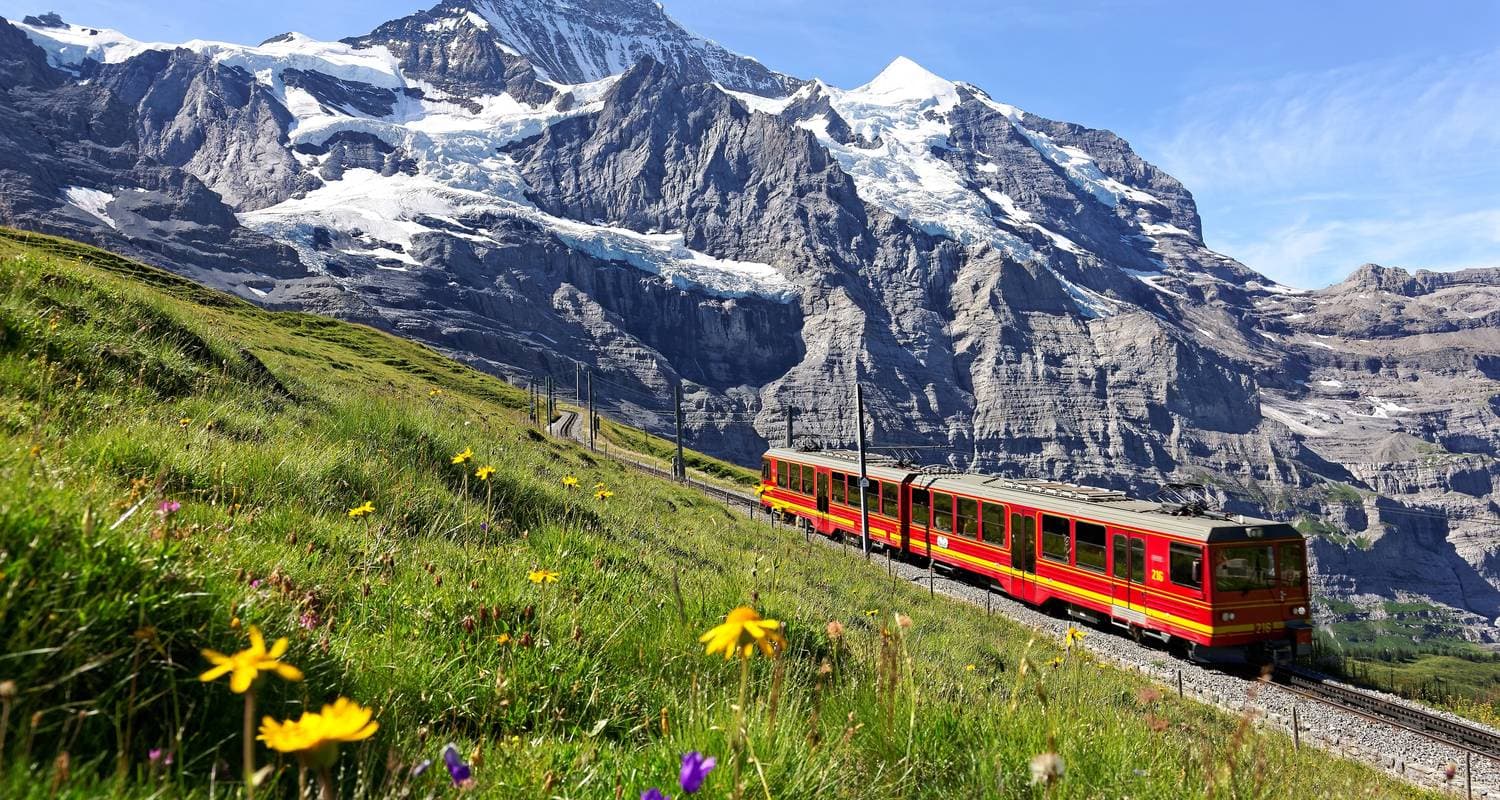




Booked with the operator via TourRadar — we may earn a commission. It never changes your price.
Complete Europe Planning Series
This page is the route; the guides below are the detail. We don't repeat the numbers here.
• Costs: see live Italy trip costs if you extend the loop south, and browse every Europe trip we track.
• Independent vs organised: compare the operators who run the European city circuit — start with Contiki vs Topdeck.
Common questions
How much of Europe can you see by rail in two weeks?
Five or six cities comfortably — roughly London/Paris, Amsterdam, Berlin, Prague and Vienna, at two to three nights each. Add Budapest or a Swiss/Italian leg only if you're happy with more time on trains and less in each city.
Interrail or Eurail — which pass do I need?
Interrail if you're a European resident, Eurail if you're not; the coverage is the same. A continuous 15-day pass fits this trip. Remember high-speed and night trains still need a paid seat reservation.
Can I do this as a group tour instead?
Yes — several 18–35 operators run European city trips over the same route and handle the trains and hostels. Compare them (e.g. Contiki vs Topdeck) against a self-guided rail pass.

Russell is our most prolific voice and covers the tours and destinations side — who the good small-group operators are, where they actually go, and whether a deal is really a deal. He cares about the all-in cost more than the sticker price, and he'll say when a trip isn't worth it.