The gringo trail runs Lima → Cusco → Machu Picchu → Lake Titicaca → Bolivia (La Paz and the Uyuni salt flats). Give it two to three weeks, respect the altitude, and cross into Bolivia overland at the Puno–Copacabana border.
- Fly into Lima, then fly or bus up to Cusco (3,400m) — the trip's hub.
- Acclimatise in Cusco before Machu Picchu; the altitude is not optional to plan around.
- Cusco → Puno for Lake Titicaca, then the land border to Copacabana, Bolivia.
- Bolivia: La Paz and the Uyuni salt flats are the headline finish.
- Dry season (May–October) is the reliable window for the Andes.
The route, at a glance
Executing an overland route across the high-altitude Andes requires a calculated approach to border crossings, high-elevation transits, and internal logistics. For under-30 solo travellers, a chronological loop through Lima, Cusco, Machu Picchu and Lake Titicaca balances historical exploration with active adventure — and crossing into Bolivia at the end turns a Peru trip into the full gringo trail. The single most important thing to plan is altitude: build in acclimatisation days rather than racing up.
Leg by leg: Lima → Cusco → Machu Picchu → Titicaca → Bolivia
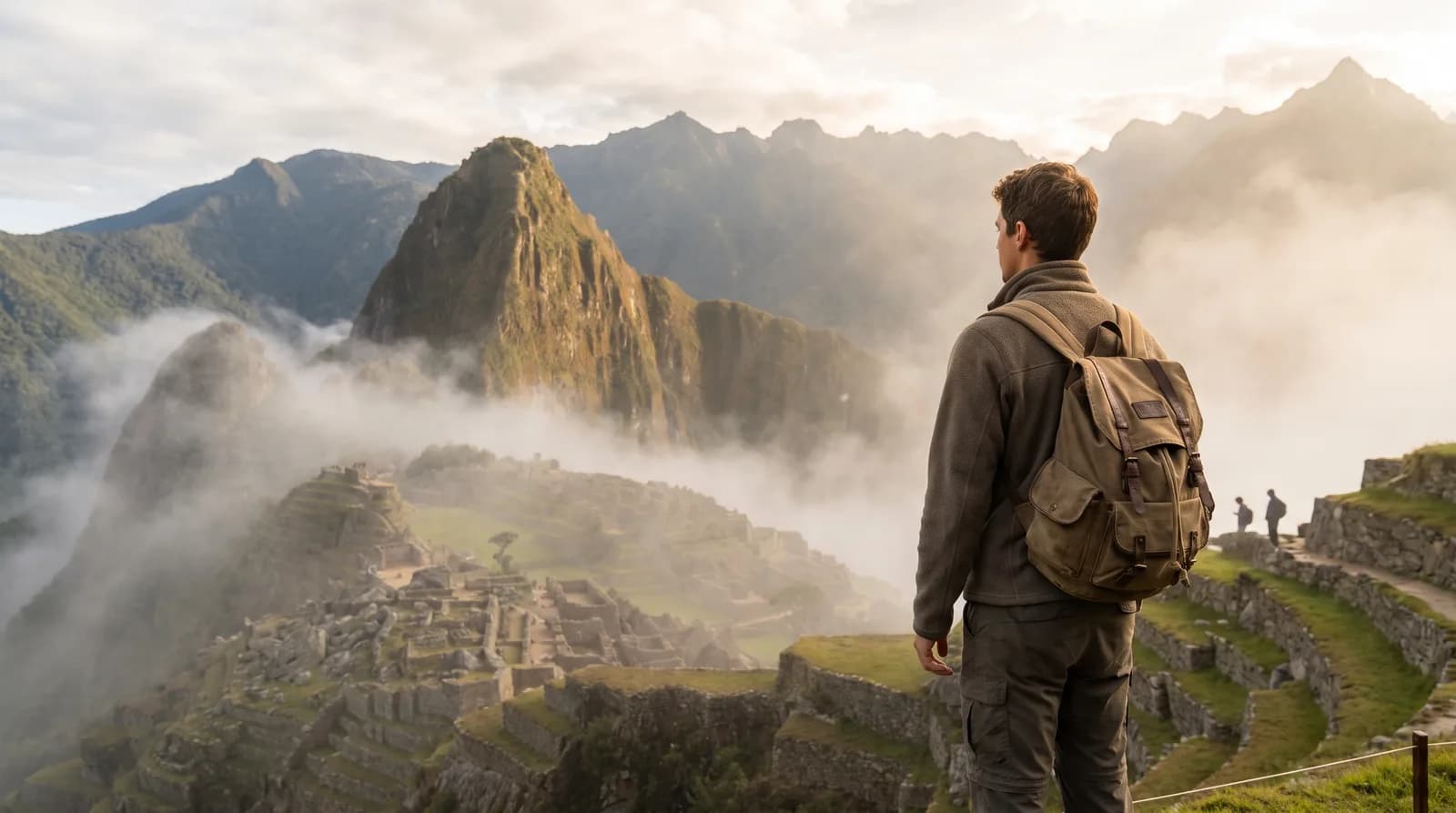
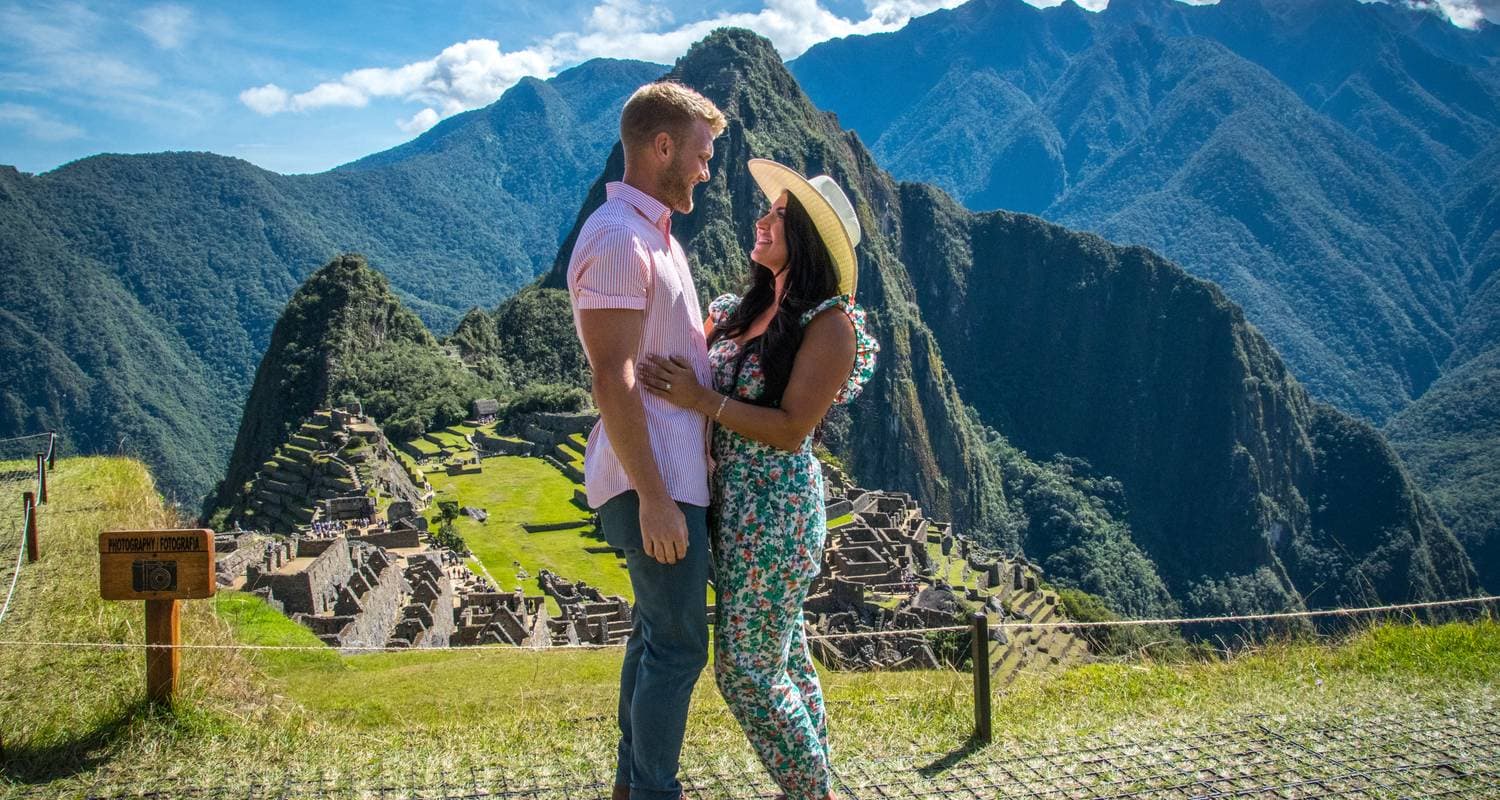
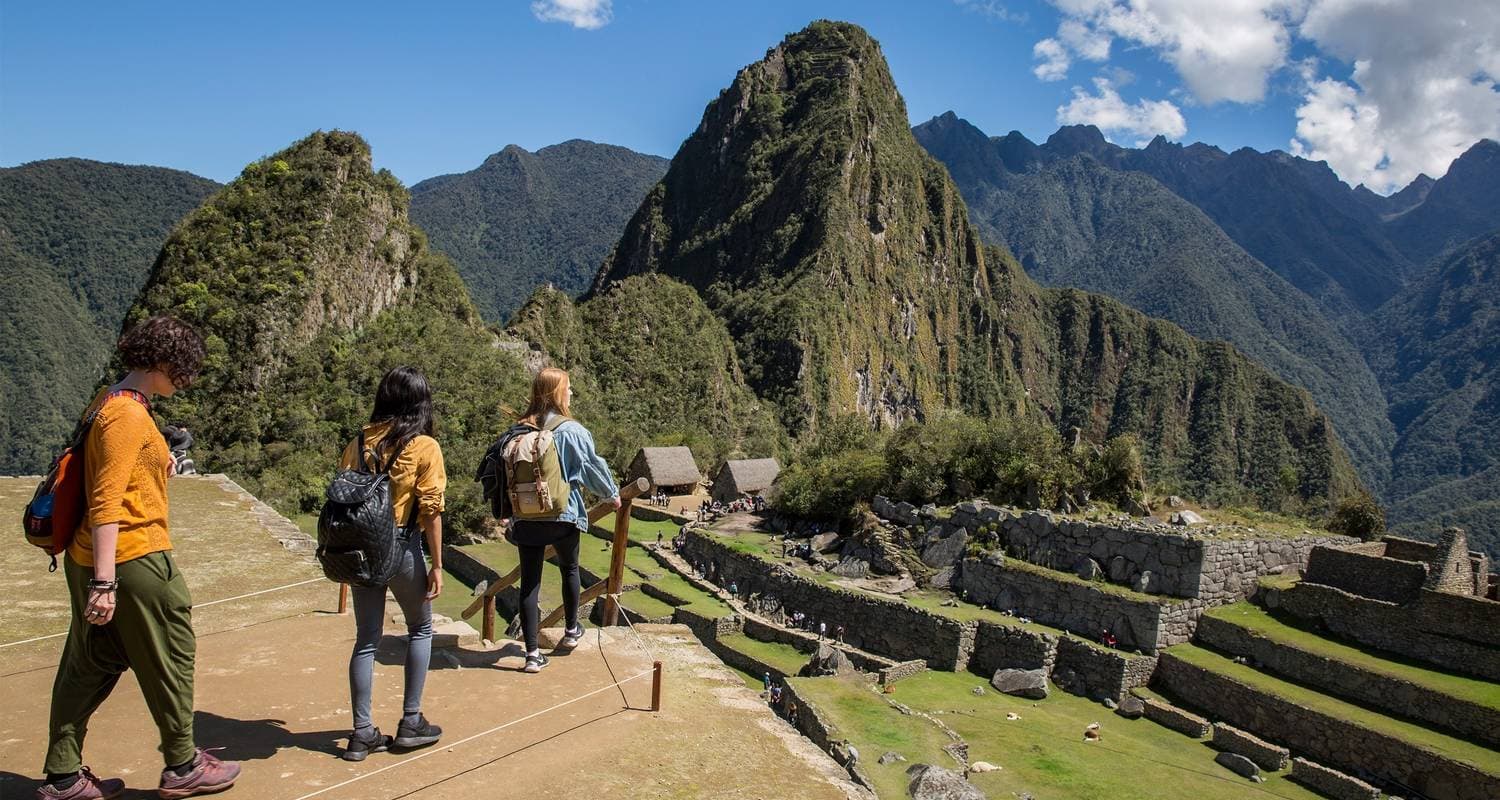
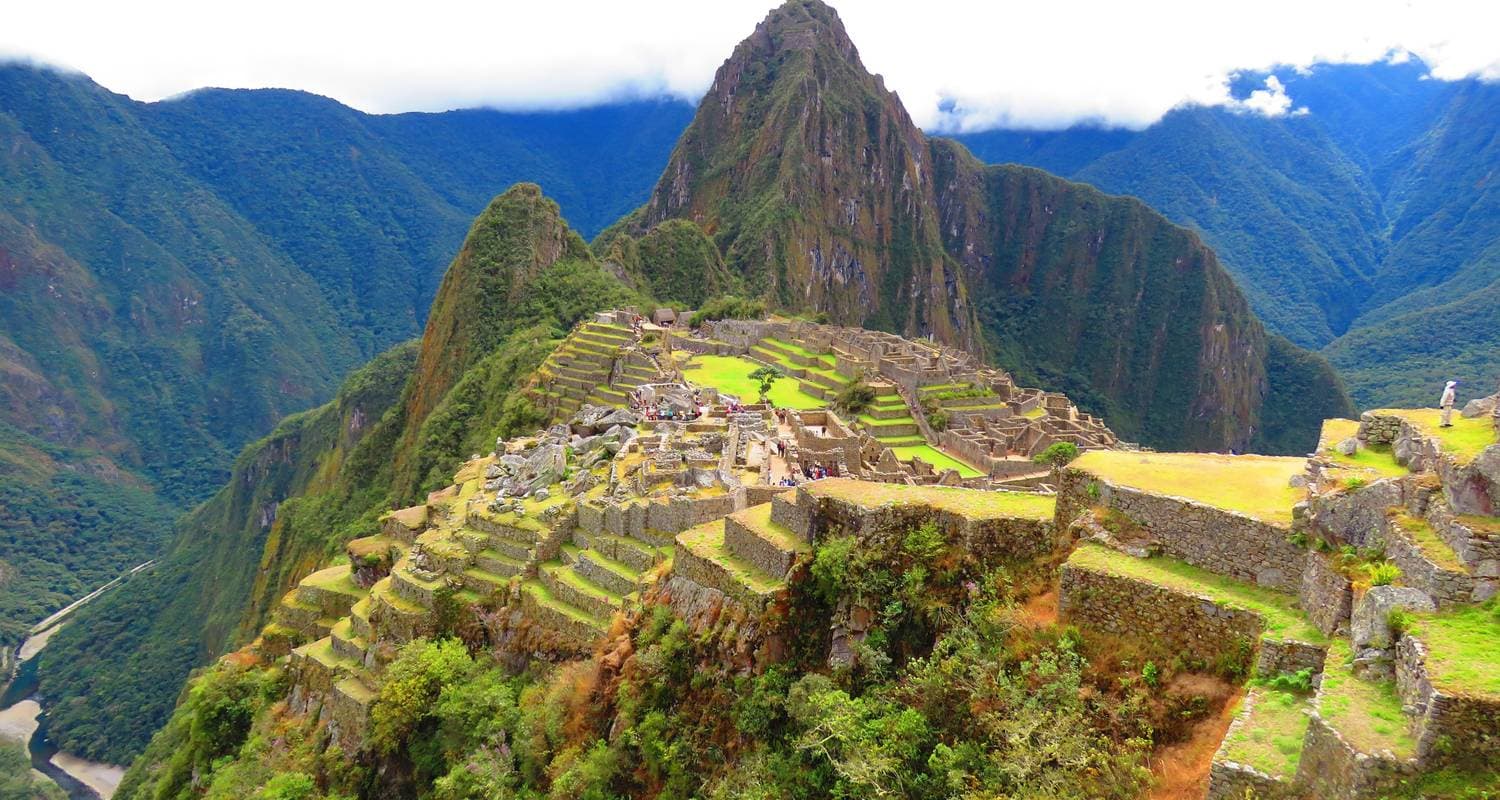
Land in Lima at sea level, then get up to Cusco — the base for everything. Cusco sits at 3,400m, so give it two easy days before you attempt Machu Picchu or the Inca Trail; our Peru & Inca Trail guide covers the permits and the trek options. From Cusco, work down to Puno on Lake Titicaca, then cross the land border to Copacabana in Bolivia. Finish in La Paz, using it as the launch point for the Uyuni salt flats — the surreal, mirror-flat highlight that closes the loop.
Altitude, borders & the dry season
Altitude is the real logistics problem here, not distance: Cusco, Puno, La Paz and Uyuni are all above 3,300m, so plan slow ascents, hydrate, and don't schedule the hardest hike for your first day up. The Peru–Bolivia crossing at Kasani (Puno/Copacabana) is a straightforward land border most travellers do by tourist bus. Come in the dry season, roughly May to October — the wet months make the salt flats and mountain roads far less predictable.
Small-group trips in Peru
See all





Booked with the operator via TourRadar — we may earn a commission. It never changes your price.
Complete South America Planning Series
The route is above; the detail is below — and we don't repeat the cost numbers here.
• The headline stop: Machu Picchu, and the Peru & Inca Trail guide for permits and treks.
• Costs: live Peru trip costs, plus every Peru & South America trip we track.
Common questions
How long do you need for the Peru & Bolivia gringo trail?
Two weeks covers Peru's highlights; three weeks lets you add Bolivia (La Paz and Uyuni) without rushing the altitude days. Fewer than two and you're skipping either the acclimatisation or Bolivia.
Is the altitude really a problem?
It's the thing to plan around. Cusco, Puno, La Paz and Uyuni all sit above 3,300m. Ascend gradually, give Cusco two easy days before any big hike, and treat altitude sickness seriously.
When should I go?
The dry season, roughly May to October, is the reliable window — clearer skies for Machu Picchu and safer, more predictable conditions on the salt flats and mountain roads.

Russell is our most prolific voice and covers the tours and destinations side — who the good small-group operators are, where they actually go, and whether a deal is really a deal. He cares about the all-in cost more than the sticker price, and he'll say when a trip isn't worth it.