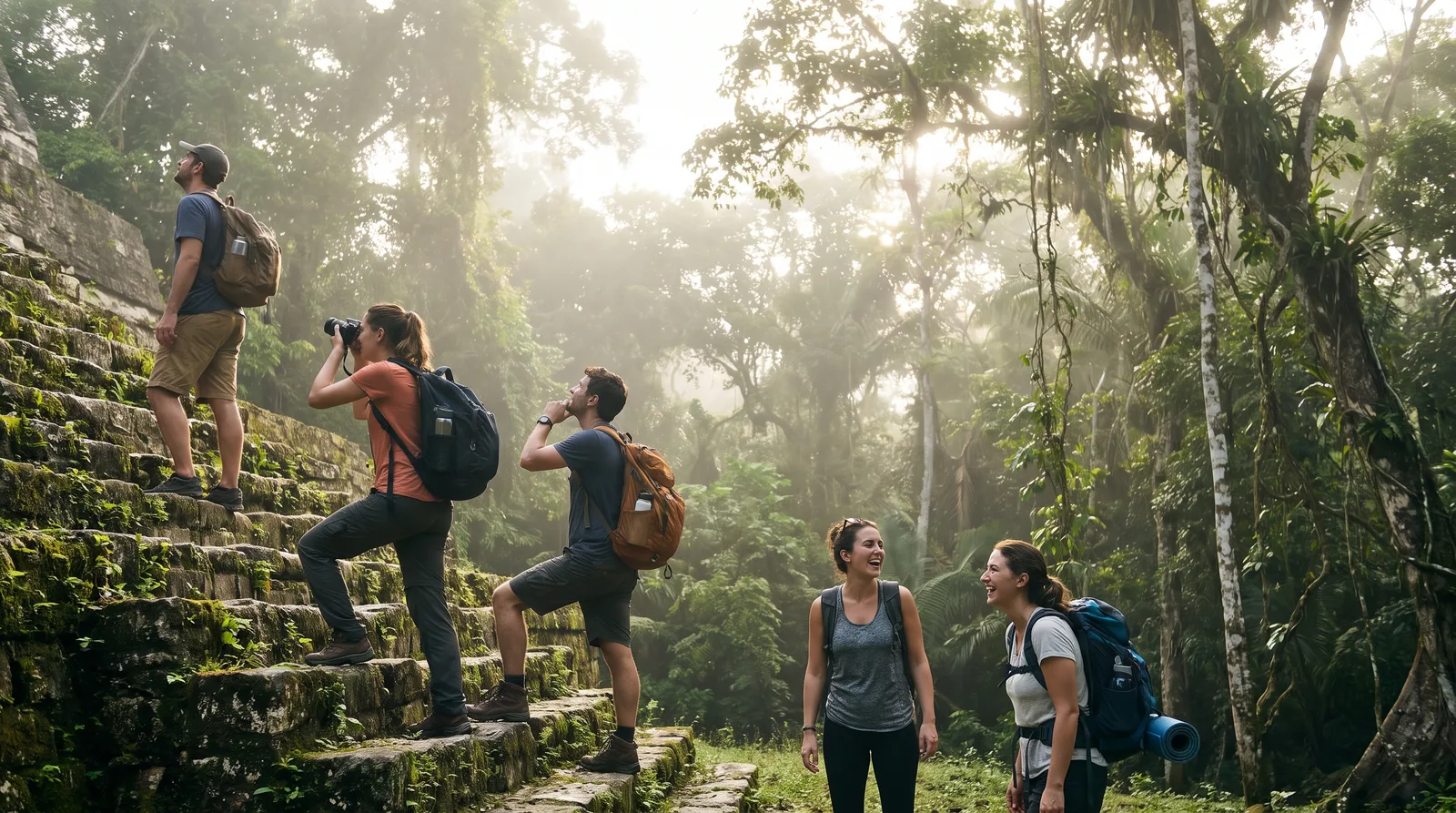
Pack light, pack for heat, and pack one set of temple-appropriate clothes. Thailand is hot and humid year-round with a monsoon roughly May–October, so quick-dry layers beat cotton, sun and mosquito protection are non-negotiable, and everything runs on Type A/B/C plugs at 230V. A 40–50L backpack is plenty — you can buy almost anything you forget, cheaply, when you land.
- Lightweight, quick-dry clothes — you'll sweat through cotton and it never dries in the humidity.
- One modest outfit (shoulders and knees covered) for temples — it's enforced, not optional.
- Reef-safe sun cream and DEET repellent — both dear and hard to find outside cities.
- A small medicine kit for heat, stomach upsets and cuts — the one thing worth over-packing.
- Type A/B/C plugs, 230V — a universal adapter and a power bank cover it.
Packing for Thailand, in one paragraph
Thailand asks three things of your bag: survive the heat, respect the temples, and stay light enough to move. It's tropical and humid all year, with a rainy season roughly May to October, so synthetic quick-dry fabrics beat cotton every time. You'll cover beaches, cities and sacred sites in the same trip, so one modest outfit earns its place. And because a 2–week loop usually means overnight buses, ferries and a lot of walking, a 40–50L backpack you can carry comfortably beats a wheelie case on Bangkok pavements. If you're still shaping the trip itself, our Southeast Asia loop guide and the first-timer's Thailand route map out where you'll actually be.
- Climate
- Tropical — hot & humid year-round
- Rainy season
- Roughly May–October (short, heavy downpours)
- Coolest, driest months
- November–February
- Plugs
- Types A, B & C — 230V, 50Hz
- Temple dress code
- Shoulders and knees covered, shoes off
- Bag size
- 40–50L backpack is plenty for 2–4 weeks
Clothes: light, quick-dry, and one temple outfit
Bring less than you think. Five or six quick-dry tops, two pairs of light shorts, a pair of trousers or a long skirt, swimwear, and one lightweight long-sleeve layer for sun, aircon buses and mosquitoes at dusk. Skip heavy denim and thick cotton — both stay damp for days in the humidity. Sandals plus one pair of trainers for temples, treks and night markets covers your feet; you'll take shoes on and off constantly, so slip-ons win.
The one rule people learn the hard way: temples and the Grand Palace enforce a dress code. Shoulders and knees must be covered, and they will turn you away or make you rent a cover-up at the gate. Pack one outfit that clears it — a light long skirt or trousers and a top with sleeves — and you're sorted for every wat on the trip. Laundry is cheap and everywhere (often by the kilo), so wash as you go rather than packing two weeks of clothes.
The medicine & health kit
This is the one category worth over-packing, because a pharmacy at 2am on an island is not a given. A sensible kit: rehydration sachets (heat and stomach bugs are the two things that will get you), an anti-diarrhoeal, painkillers, antihistamines, motion-sickness tablets for the ferries and minibuses, plasters and antiseptic for scooter grazes and coral cuts, and any prescription meds in their original packaging with a copy of the prescription. Add strong DEET-based repellent and after-bite — mosquitoes carry dengue here, so cover up at dusk and reapply.
What this guide is not: medical advice. Book a travel-clinic or GP appointment 6–8 weeks before you fly to sort recommended vaccinations and to ask whether antimalarials suit your route — that's a decision for a professional who knows your history, not a packing list. And do not travel without insurance that covers scooters: the moped is the single most common way a Thailand trip goes wrong, and standard policies often exclude it unless you're licensed.
Small-group trips in Thailand
See all

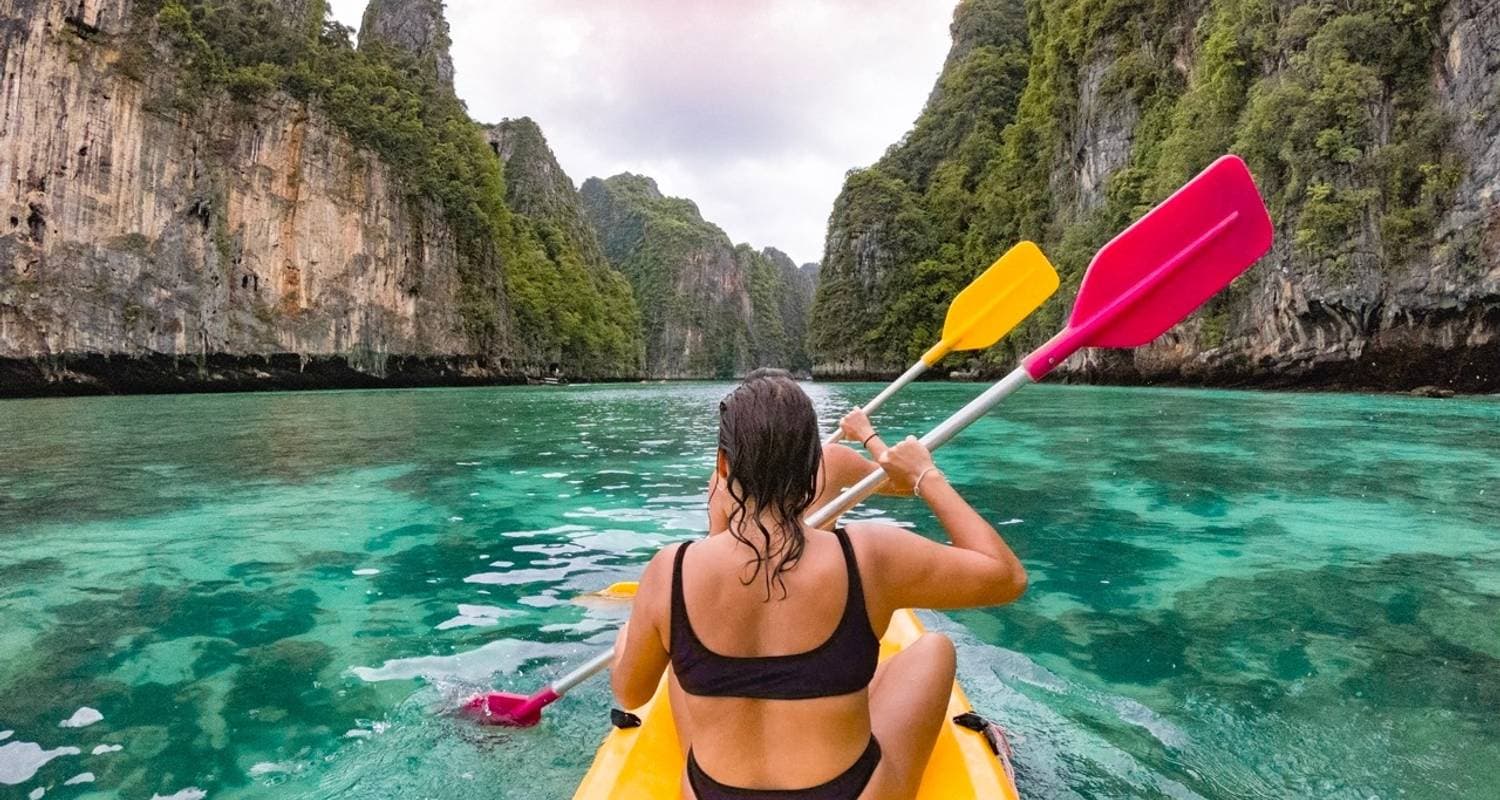
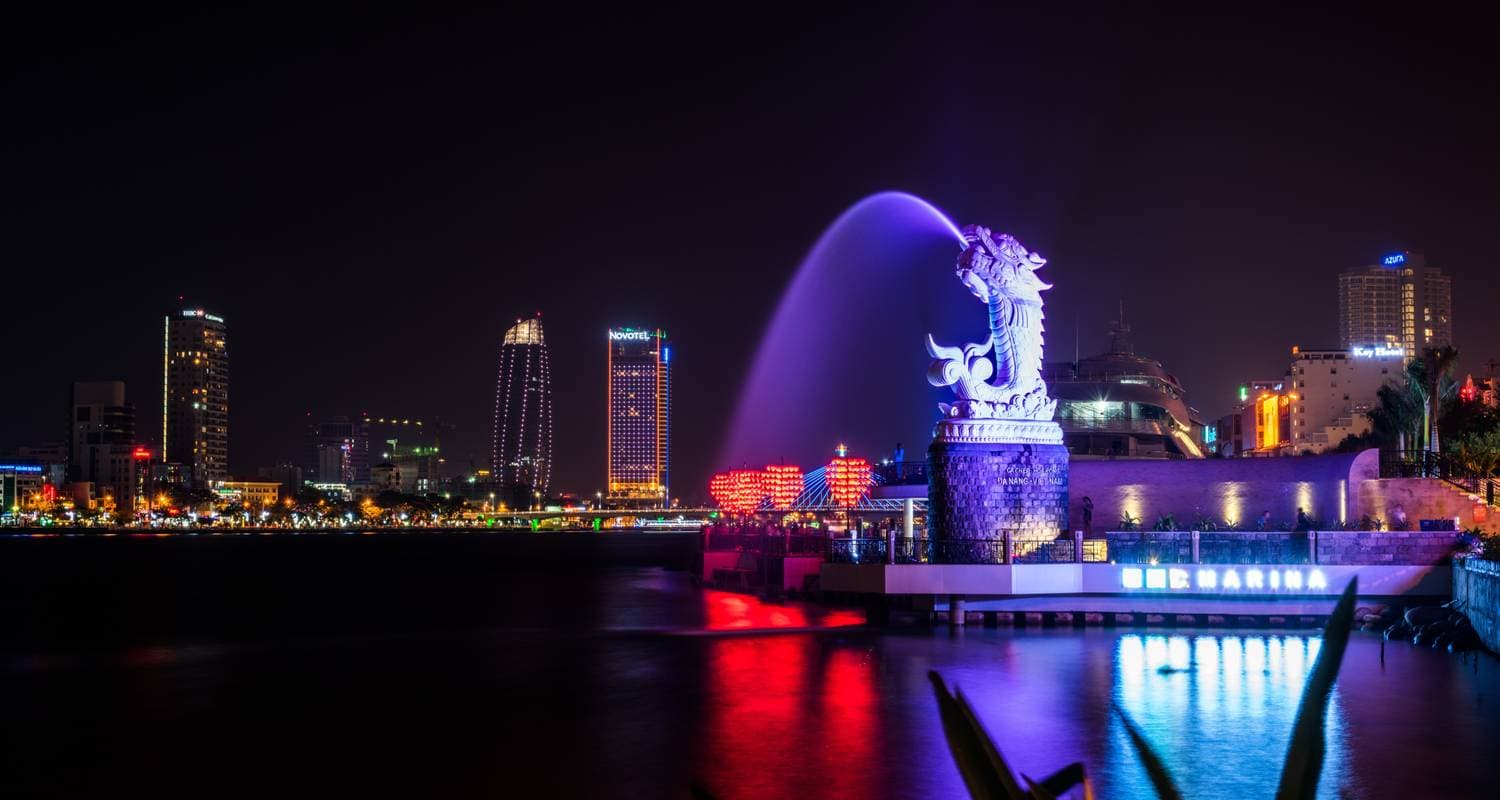

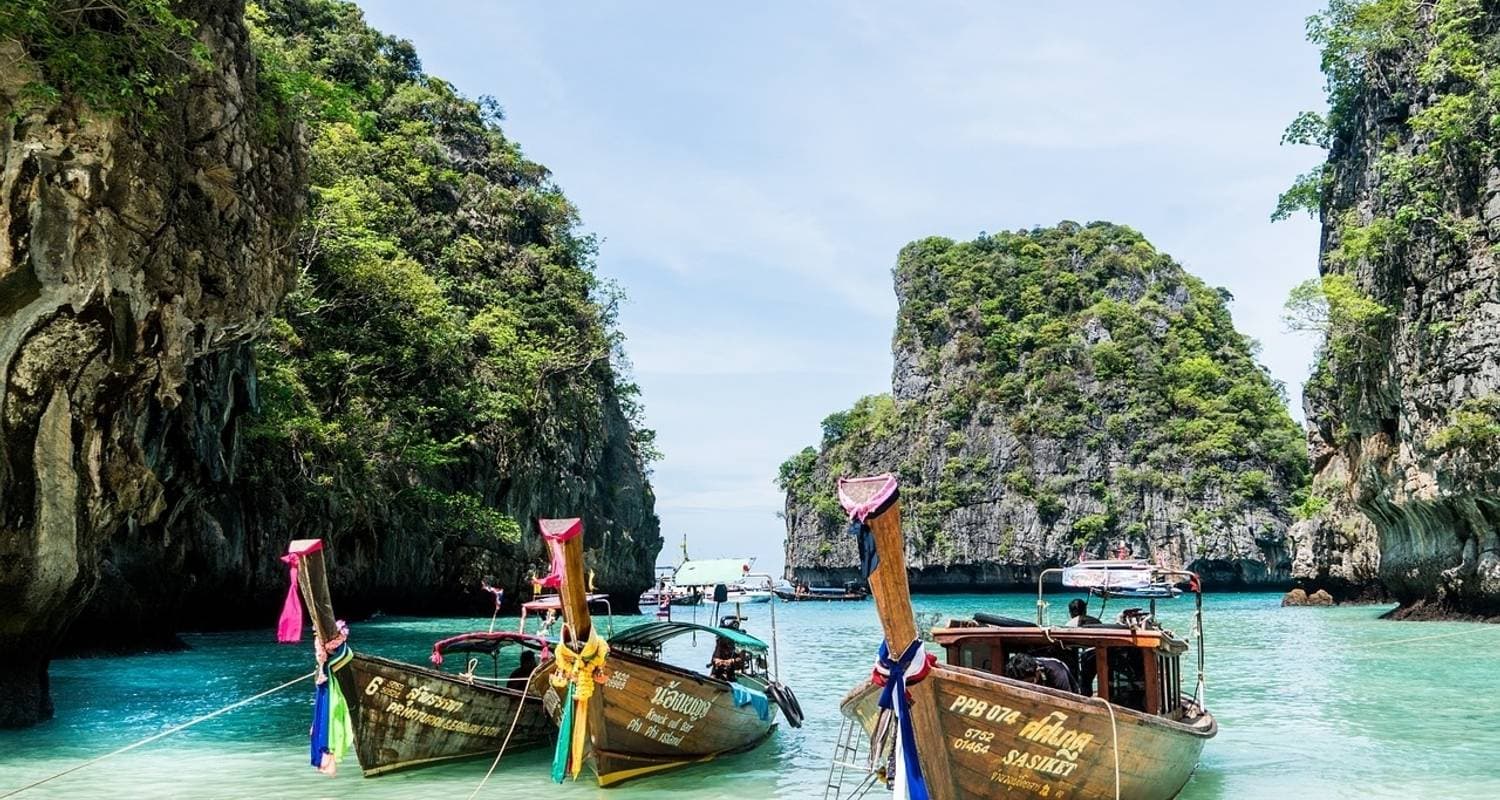

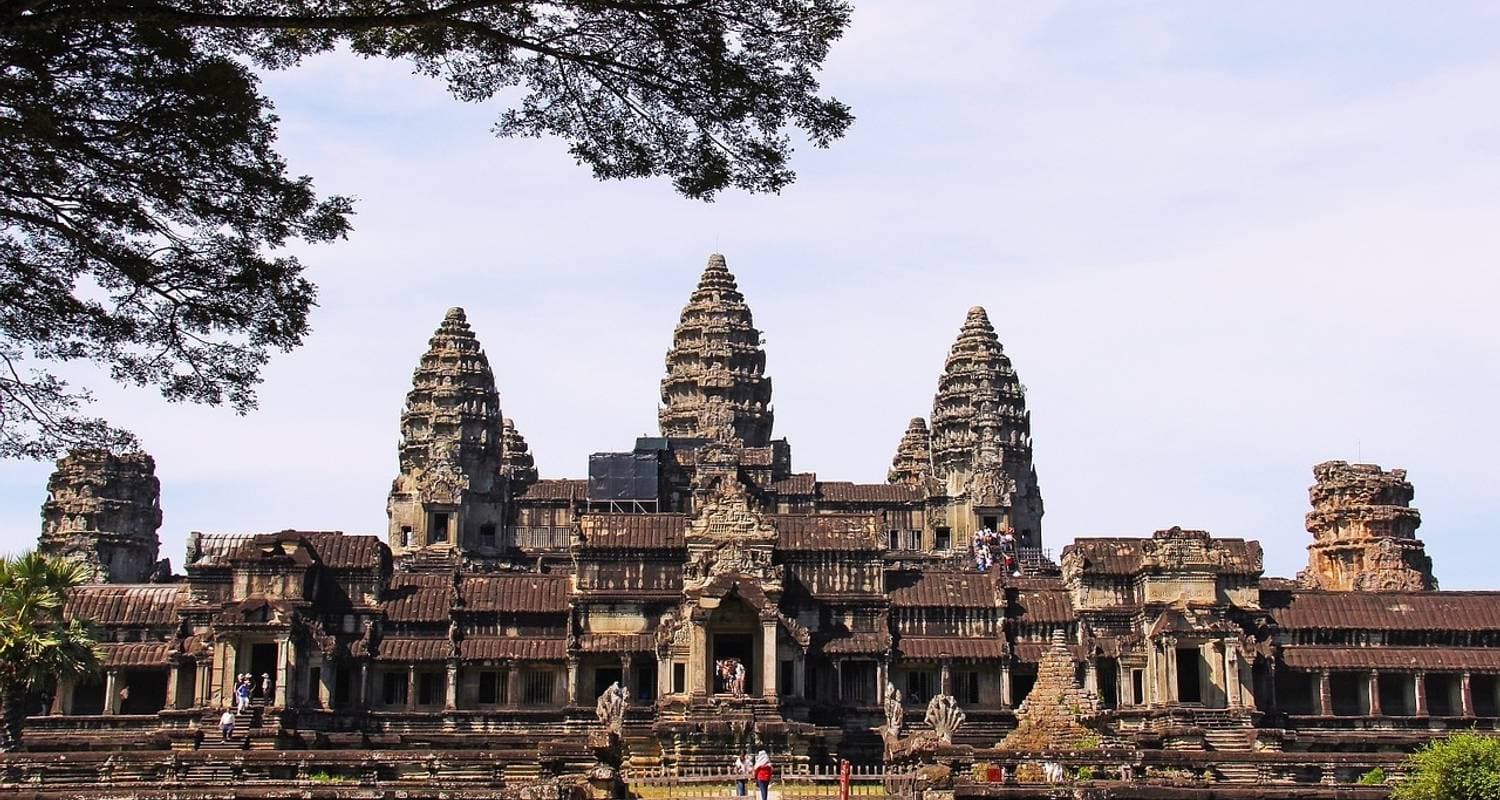
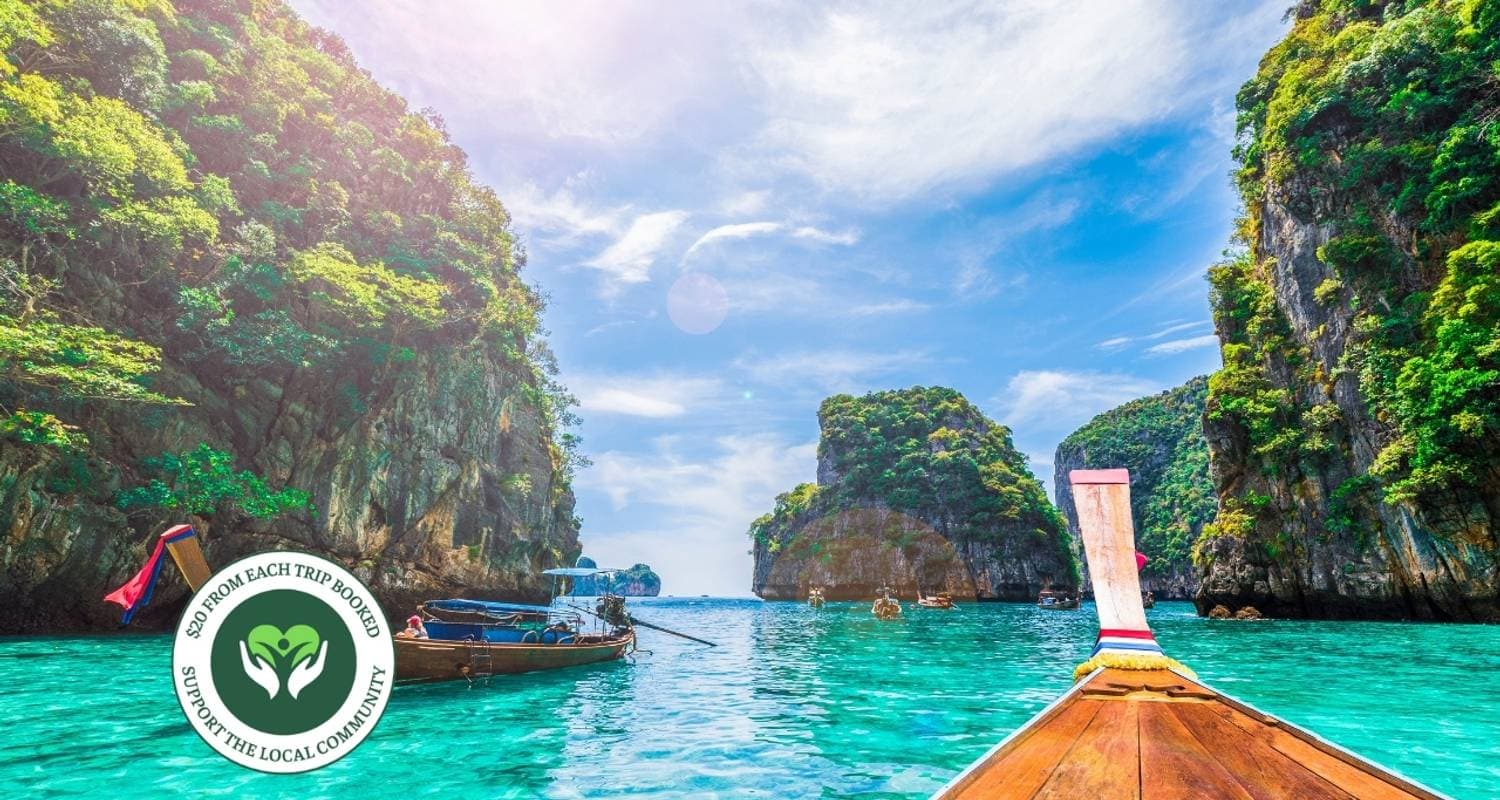

Booked with the operator via TourRadar — we may earn a commission. It never changes your price.
Gear & tech that earns its bag space
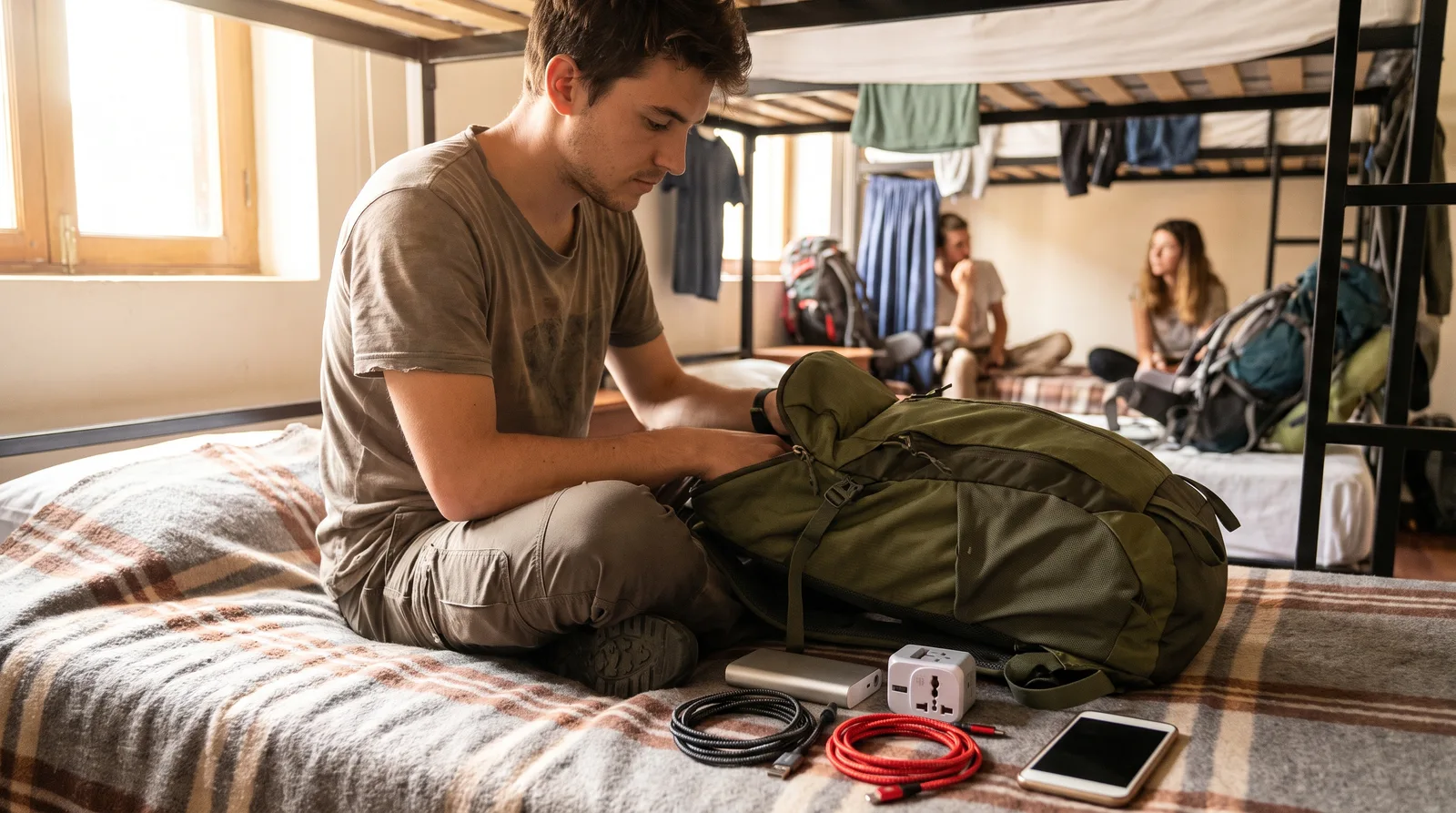
Keep the electronics honest — every gram you carry, you carry up a hostel stairwell. The essentials: a power bank (long travel days, dying phone, no plug in sight), a universal adapter for the Type A/B/C sockets, a phone with a good camera instead of a separate one, and a padlock for hostel lockers. A quick-dry travel towel, a reusable water bottle (with a filter if you'll be rural), and a head-torch for night ferries and power cuts punch well above their weight.
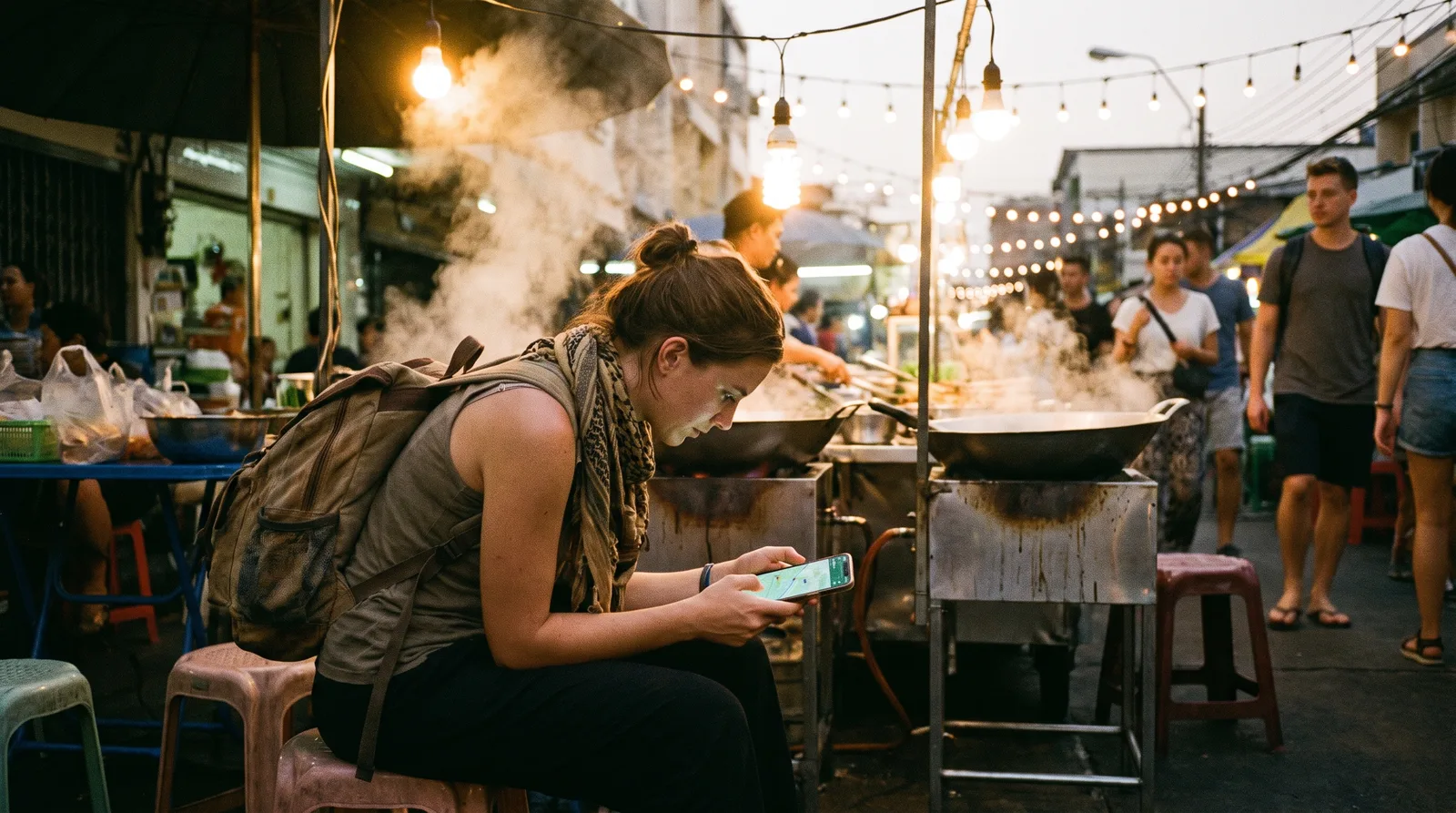
Sort connectivity before you land, not at the airport. A travel eSIM gives you data the moment you touch down — our eSIM vs local SIM guide breaks down when each wins, and the eSIM comparison tool shows live plans for Thailand. For the wider kit conversation, the travel tech worth packing covers what's actually worth the weight.
Thai sockets take Type A, B and C plugs at 230V, 50Hz — the same two-flat-pin and two-round-pin shapes most travellers already carry. A single universal adapter handles the lot. UK three-pin plugs will not fit, so don't rely on finding one.
What to leave at home
Half the bag people bring never comes out. Leave the heavy jeans, the 'just in case' third pair of shoes, the full-size toiletries (buy travel sizes or restock locally — it's cheap), and the hairdryer (every hostel has aircon, not a hairdryer, and you won't use it). You do not need a sleeping bag — it's too hot — though a thin liner is nice for grim overnight buses. And skip anything you'd be gutted to lose on a beach or a boat: leave the good jewellery and the sentimental watch at home.
Common questions
How big a bag do I need for Thailand?
A 40–50L backpack is plenty for two to four weeks. You'll be moving between islands, buses and hostels constantly, so something you can carry on your back beats a wheelie case on uneven pavements. Laundry is cheap and everywhere, so pack for about a week and wash as you go.
What should I wear to temples in Thailand?
Shoulders and knees covered, and shoes off before you enter. It's enforced at major sites like the Grand Palace, and some will make you rent a cover-up at the gate. Pack one light long-skirt-or-trousers-and-sleeved-top outfit and you're set for every temple on the trip.
Do I need mosquito repellent and sun cream, or can I buy them there?
Bring both. Reef-safe sun cream and strong DEET repellent are dearer and harder to find outside the big cities and tourist strips, and you'll want them from day one. Mosquitoes here can carry dengue, so cover up at dusk and reapply.
What plug adapter does Thailand use?
Thailand uses Type A, B and C plugs at 230V, 50Hz. A universal adapter covers all three. A UK three-pin plug will not fit, so don't count on borrowing one.
Do I need travel insurance for Thailand?
Yes — and check it covers riding a scooter, because that's the most common way a trip goes wrong and many standard policies exclude it unless you hold a valid licence. Sort recommended vaccinations and any antimalarials with a travel clinic 6–8 weeks before you fly.

Riley covers the tech side of travelling — the gadgets, cameras, power banks, apps and gear that actually earn their place in your bag. Reviews are hands-on and criteria-led, weighing durability and real-trip use over spec sheets, and Riley is quick to say when the cheap option beats the flashy one.