The classic Inca Trail is a government-permit trek capped at 500 people a day — and that number includes the porters and guides, so the real hiker allocation is much smaller. You legally cannot walk it independently: you must book through a licensed operator, and permits routinely sell out months in advance for the popular dry-season dates. May to September is the best window; the trail closes completely every February for maintenance. If permits are gone, the Salkantay trek is the permit-free alternative that still ends at Machu Picchu. Budget £600–£1,000 for the core trek, land-only.
- The Inca Trail is permit-only, capped at 500 people/day (porters and guides included) — book through a licensed operator, you cannot hike it alone.
- Best months: May–September (dry season) — the trail is CLOSED every February for maintenance.
- Permits sell out months ahead for dry-season dates — book 4–6 months out.
- Realistic price: £600–£1,000 for the core 4-day trek, land-only (flights to Cusco on top).
- No permit left? Salkantay is the permit-free alternative — higher, wilder, still ends at Machu Picchu.
Why you have to book the Inca Trail early
The Inca Trail isn't a footpath you can rock up to. Access is controlled by the Peruvian government, which issues a fixed number of permits — 500 per day — and that figure includes every porter, cook and guide on the mountain, so the number left for actual trekkers is far smaller. You legally cannot hike the classic route independently: the only way onto it is through a government-licensed operator who buys the permits in your name. That's not an upsell, it's the law.
Because the cap is hard and the demand is huge, permits for the best months disappear fast — often four to six months ahead for peak dry-season dates. On top of that, the trail shuts down completely for the whole of February every year for maintenance and to let the path recover, so there's no walking the classic route that month at any price.
The timing that matters most is the dry season, roughly May to September. That's when the trail is at its best — firmer ground, clearer mountain views and a much lower chance of a soaked campsite — which is exactly why those dates sell out first. If you want the wider context on where the trek sits and what else the country offers, our Peru destination guide maps it out. The short version: pick your dates, then book the permit before you book anything else.
- Best months
- May–September (dry season)
- Trail closed
- All of February — maintenance
- Permits
- Capped 500/day incl. staff — sell out months ahead
- Independent hiking
- Not allowed — licensed operator only
- Classic trek length
- 4 days / 3 nights
- Altitude
- Cusco 3,400m — acclimatise 2–3 days first
Every trek below is a real, currently-bookable departure from our live catalogue, run by a government-licensed operator. We ranked on genuine traveller rating and review volume first (so a 5★ with 200+ reviews outranks a 5★ with 40), then sanity-checked the value for an 18–35 traveller: what's actually included, the group style, and whether the from-price is honest. Prices are the lowest live land-only from-price at the time of writing and move with season and departure — always confirm on the operator's page before booking. We take no payment to rank a trek higher.
The best Inca Trail & Machu Picchu tours
Five treks that consistently earn their reviews, from the most-reviewed classic route to the permit-free Salkantay alternative. Each links straight through to the live departure so you can check dates and the current price.
Classic Inca Trail to Machu Picchu 4 Days with Vistadome Train
The most-reviewed trek on this list by a distance — 215 reviews at a straight 5★ is a serious track record for the classic four-day route. It's also the best-priced way onto the trail proper, and it sends you back on the Vistadome scenic train rather than a bus, so the journey out of Machu Picchu is part of the trip rather than an afterthought. If you want the real Inca Trail without overpaying, start here.
Trekking the Inca Trail (4 days)
G Adventures is the most trusted operator in the space, and this is their standard four-day classic. What you're paying the small premium for is their porter-welfare record and their network of local guides — the logistics and the ethics are both dialled in. A near-flawless 5★ over 139 reviews backs it up. If reliability and doing it right matter more than the lowest price, this is the pick.
Trekking the Inca Trail (5 days)
The same well-run G Adventures operation as the four-day, stretched over five. That extra day is the whole point: a gentler daily pace and more time for your body to adjust to the altitude, which is the single biggest thing that catches people out up here. If you're not a regular hiker or you know altitude hits you hard, the fifth day is money well spent. 5★ over 61 reviews.
Classic Inca Trail to Machu Picchu — Small Group Service
Inkayni is a strong Cusco-based operator, and this is their small-group take on the classic four-day trail — fewer people on the trek means a more personal pace and more guide attention than the bigger departures. It sits neatly between the budget and premium picks on price, and the 5★ over 52 reviews says the small-group promise is real rather than marketing. A good middle-ground choice.
Salkantay Trek to Machu Picchu
This is the trek to take when the Inca Trail permits are gone — Salkantay has no permit cap, so you can book it far later and still finish at Machu Picchu. It's the wilder, higher route, climbing over the Salkantay pass through scenery that's arguably more dramatic than the classic trail, and eight days gives you a proper expedition rather than a quick march. Fitter walkers who missed out on permits often end up preferring it. 5★ over 41 reviews.
For dry-season dates (May–September) the classic Inca Trail permits routinely sell out four to six months in advance, and there is no way around the daily cap — no last-minute permits, no independent walking. Decide your dates and book the trek before you book flights or anything else. If the permits for your dates are already gone, don't wait and hope: take the Salkantay trek instead — it has no permit cap and still finishes at Machu Picchu.
Want more than the trek?
The trek is the headline, but Machu Picchu sits inside a country worth a lot more than four days. If you've flown all the way to Peru, it's often better value to fold the trail into a fuller trip that also takes in the cities, the desert and the wider ring of Inca ruins. G Adventures' The Total Peru Package: Cities, Deserts & Inca Ruins does exactly that — 11 days from £960 — building the classic highlights into one route so you're not booking each leg separately. For the full picture of what the country offers and how the pieces fit together, our Peru destination guide is the place to start.
Small-group trips in Peru
See all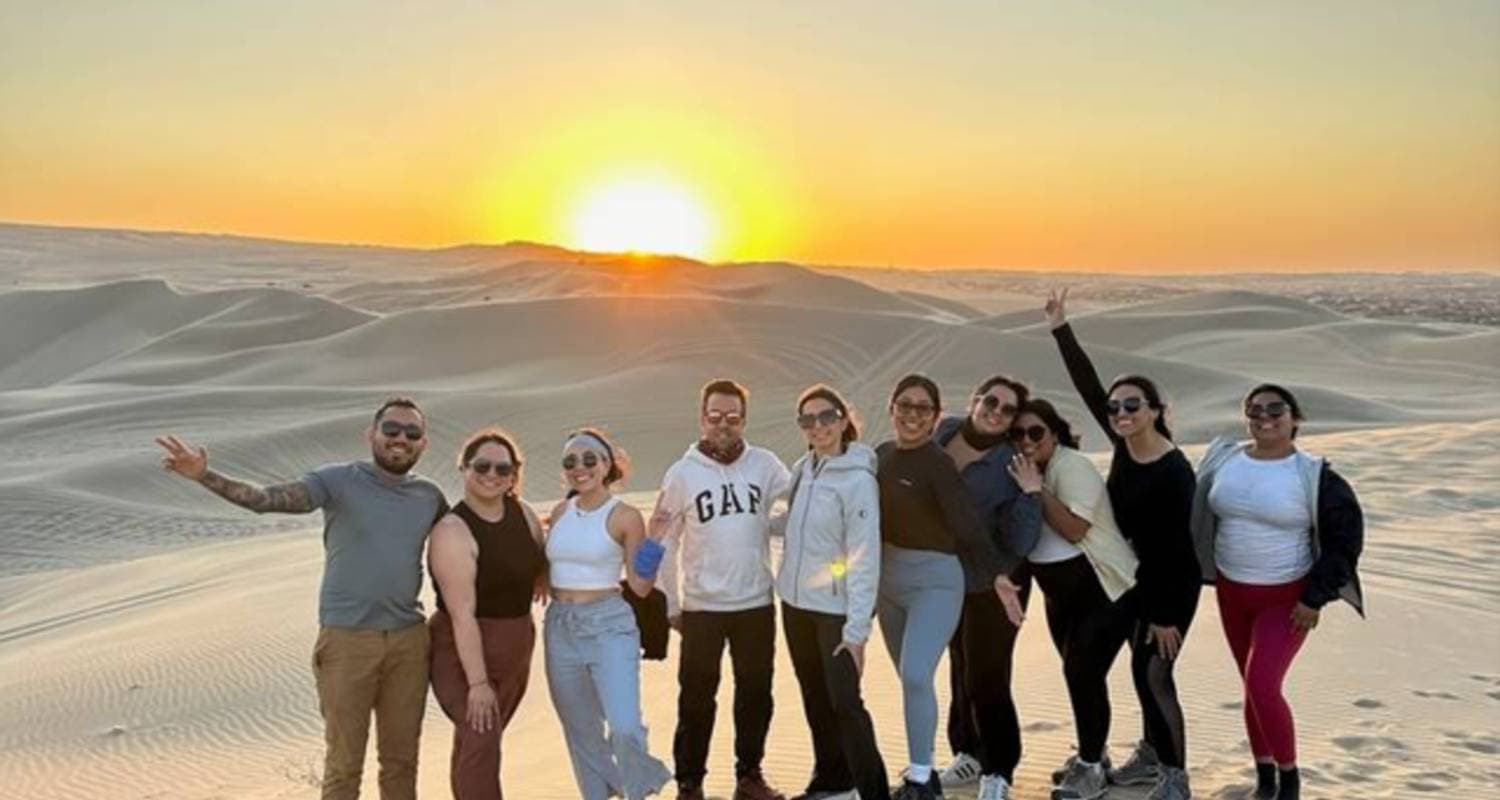






Booked with the operator via TourRadar — we may earn a commission. It never changes your price.
Common questions
When is the best time to hike the Inca Trail?
May to September — the dry season. That's when the trail is at its best: firmer ground, clearer mountain views and a much lower chance of rain. Those months sell out first, so book early. Note the trail closes completely for the whole of February every year for maintenance, so that month isn't an option at all.
Do I need a permit, or can I hike the Inca Trail alone?
You need a permit and you cannot hike the classic Inca Trail independently — it's the law. The government caps access at 500 people a day (porters and guides included) and only government-licensed operators can buy the permits, in your name. So booking through a licensed operator isn't optional; it's the only legal way onto the trail. If permits for your dates are gone, the Salkantay trek is permit-free.
How fit do I need to be, and what about the altitude?
You need to be a reasonably fit walker who can handle several days of up-and-down trekking, but you don't need to be an athlete. The bigger challenge is altitude, not fitness — Cusco sits at 3,400m and the trail goes higher, so arrive two to three days early to acclimatise before you start. If altitude worries you, the 5-day version gives your body more time to adjust.
How much does an Inca Trail trip cost all-in?
The core 4-day trek runs roughly £600–£1,000 land-only, and Machu Picchu entry is usually included on these treks. On top of that, budget for return flights to Cusco (via Lima), which are extra and not part of any tour price, plus a couple of nights' accommodation to acclimatise beforehand and your own food and drink off the trail. All-in from the UK, a realistic trip lands well above the trek price once flights are in.

Russell is our most prolific voice and covers the tours and destinations side — who the good small-group operators are, where they actually go, and whether a deal is really a deal. He cares about the all-in cost more than the sticker price, and he'll say when a trip isn't worth it.