
An 18-35s tour is a small-group trip built around one age band, so the pace, accommodation and social side all assume you're travelling solo or with mates rather than family. The real value is in matching the destination and group style to what you actually want, not just picking the first operator you find.
- 18-35s tours group travellers of a similar life stage, not just age, so expect shared dorms or twins, hostel-standard stays, and a social itinerary
- The all-in cost varies hugely by region — check exactly what's included (transport, some meals, activities) versus what's an 'optional extra' before comparing prices
- Group size and pace differ a lot between operators and even between trips on the same route, so read the itinerary day-by-day, not just the summary
- The honest watch-outs travellers repeat most: single supplements, patchy wifi being sold as 'digital detox', and itineraries that look fuller on paper than they feel on the ground
- Start by picking the region that fits your time and budget, then compare two or three operators on that specific route rather than shopping by brand name
What actually makes a trip an '18-35s tour'
The label mostly describes who else will be on the bus, not the itinerary itself. These trips are built for people without kids in tow, usually solo travellers or pairs of friends, and the accommodation, pacing and evening plans all follow from that. You'll typically be in shared rooms, moving in a smallish group with one trip leader, and the itinerary leaves room for nights out as well as the sightseeing.
That social element cuts both ways. It's the main reason people book — you turn up alone and leave with a group chat full of new friends — but it also means the trip works best if you're genuinely up for that. If you'd rather travel quietly and skip the group dinners, a tour built around this age band probably isn't the right shape for you, whatever the itinerary promises.
Picking the region before you pick the operator
The single biggest decision isn't which company to book with — it's which route. A three-week loop through Central America asks something very different of you than a fortnight along Australia's east coast or a rail-based hop across Europe. Time off work, budget, climate and how much structure you want should narrow this down before you start comparing operators at all.
If you're weighing up regions, it helps to look at real itineraries rather than marketing pages. A Peru and Bolivia route along the gringo trail is a different kind of trip — altitude, long bus days, ruins — to an East African safari and expedition itinerary, which is more about wildlife and early starts. Neither is better. They suit different people and different amounts of time.

What these trips actually cost
There's no single honest answer to 'how much does an 18-35s tour cost' because the routes vary so much — a rail hop across a few European cities and a multi-week expedition through East Africa are not the same order of spend. What matters more than the headline price is what it includes. Ask specifically whether transport between stops, some or all meals, and the marquee activities (safari drives, treks, diving) are bundled in, or whether they're sold as add-ons once you're there.
The pattern worth knowing: the sticker price on the operator's site is rarely the all-in cost. Flights to the start point, a local kitty for meals not included, tips for guides and drivers, and travel insurance are usually separate. Before you compare two trips on price alone, add those back in for both — the cheaper-looking one on paper isn't always cheaper once you do.
If you're travelling solo and want your own room rather than a shared dorm or twin, most operators charge extra for it — sometimes a lot extra. If a private room matters to you, ask for that price upfront rather than assuming the advertised price includes it.
Group size and pace: read the itinerary, not the summary
Two trips on the same route can feel completely different depending on group size and how packed the days are. A smaller group generally means more flexibility and an easier time getting to know people; a larger one can mean a livelier social scene but less say in what happens each day. Neither is objectively right — it depends on what you want out of the trip.
The itinerary summary on a booking page will list the stops. What it won't always show is how many of those days are full-on (early starts, long transfers, packed activity lists) versus how many are genuinely free time. If down days matter to you — to recover, do your own thing, or just not be sociable for an afternoon — check the day-by-day breakdown, not just the highlights list.
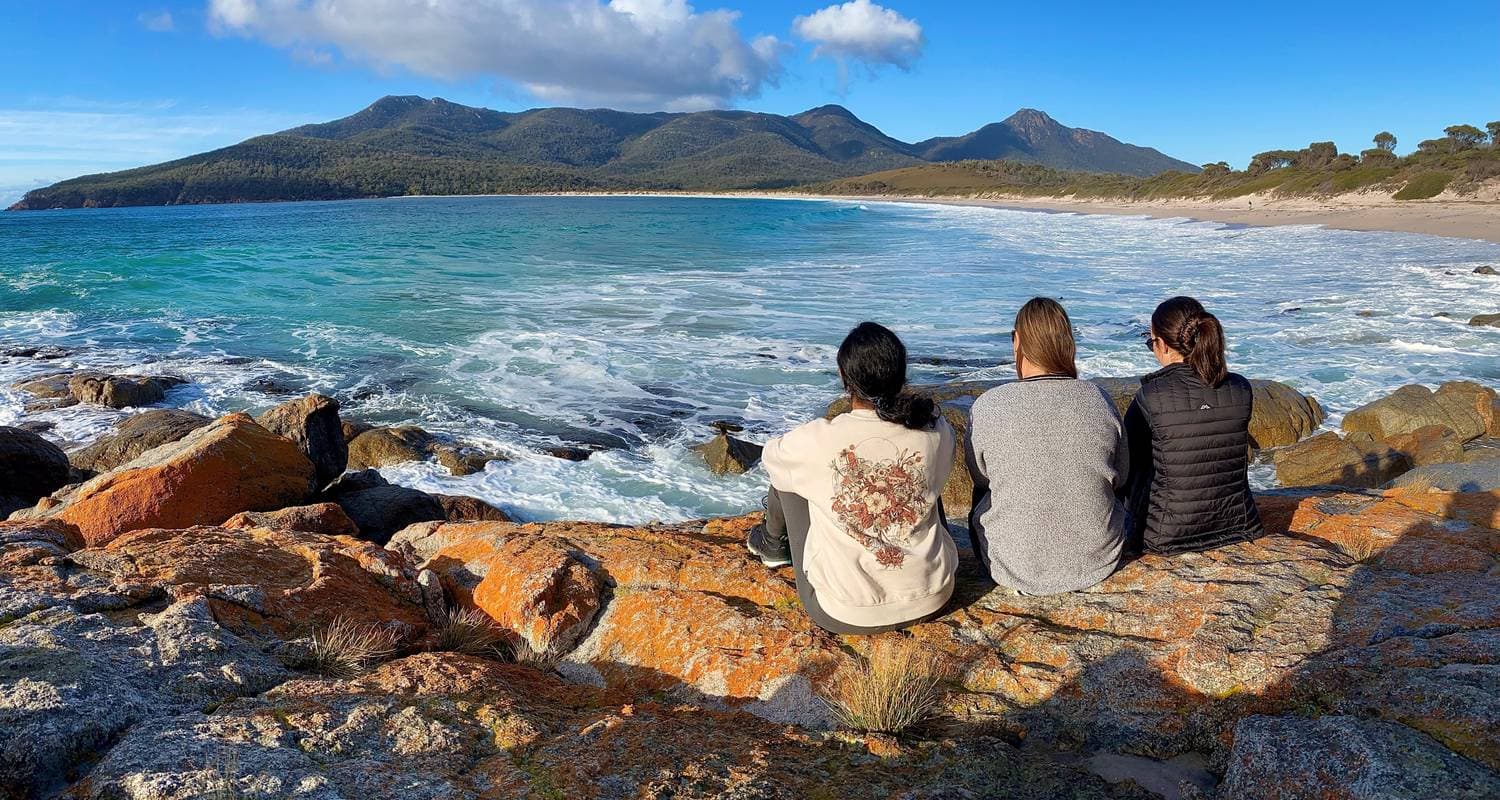
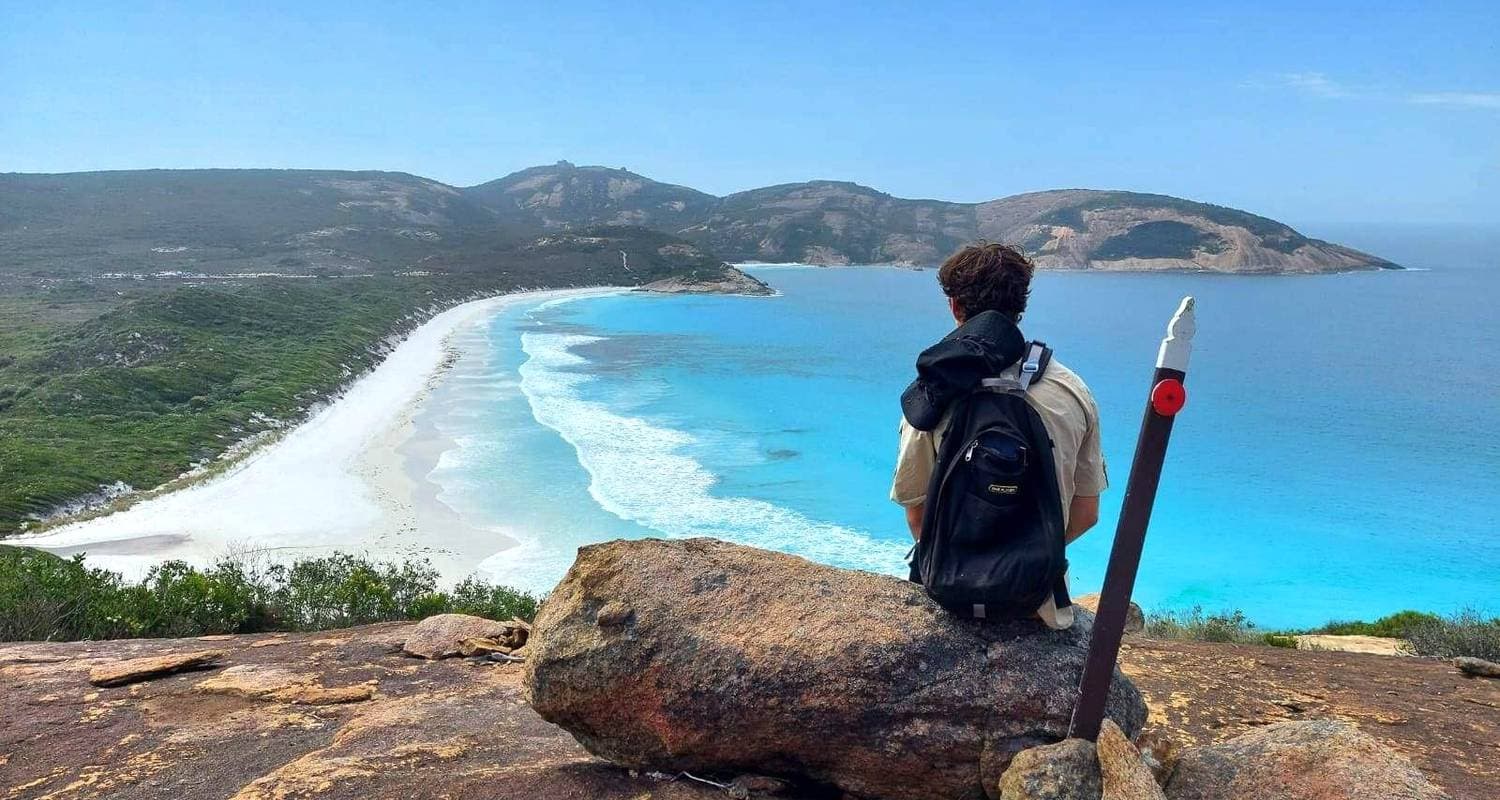
Small-group trips in Australia
See all










Booked with the operator via TourRadar — we may earn a commission. It never changes your price.
The cheaper-looking trip on paper isn't always cheaper once you add back flights, tips, insurance and the meals that weren't included.
— Editor, Tours & Destinations
The honest watch-outs, from people who've actually gone
A few things come up again and again in traveller feedback across this kind of trip. The single supplement issue is one — see above. Another is wifi and connectivity being framed as a feature ('digital detox') when really it's just patchy signal in remote areas; that's fine if you know it going in, less fine if you were expecting to work remotely or check in with home daily.
The other repeat note is that itineraries can look fuller on the page than they feel day to day — a 'city tour' might be a few hours, not a full day, and free time can end up being spent recovering rather than exploring. None of this makes a trip bad. It makes it worth reading the detailed itinerary rather than the marketing summary, and worth checking recent reviews for the specific departure date and operator, not just the trip name in general.
Common questions
Do 18-35s tours mean strict age limits?
The age band is the intended audience rather than always a hard rule enforced at booking — check the operator's own policy for the specific trip, since this varies.
Are meals and transport included?
It depends on the trip. Some bundle transport and most meals, others cover transport and leave meals as a local kitty or pay-as-you-go. Always check the inclusions list line by line.
Is a single room an option if I'm travelling alone?
Usually yes, for an extra cost (a single supplement). If a private room matters, ask for that specific price before comparing trips.
How do I choose between routes like Central America, East Africa or Europe by rail?
Start with how much time you have and what kind of pace you want — jungle-and-coast hostel-hopping, wildlife-focused expedition, or flexible city-to-city rail — then compare specific operators on that route.
What's the biggest hidden cost to check for?
Flights to the start point, tips for guides and drivers, travel insurance, and any activities marked as optional extras. Add these to the headline price before comparing two trips.

Russell is our most prolific voice and covers the tours and destinations side — who the good small-group operators are, where they actually go, and whether a deal is really a deal. He cares about the all-in cost more than the sticker price, and he'll say when a trip isn't worth it.